
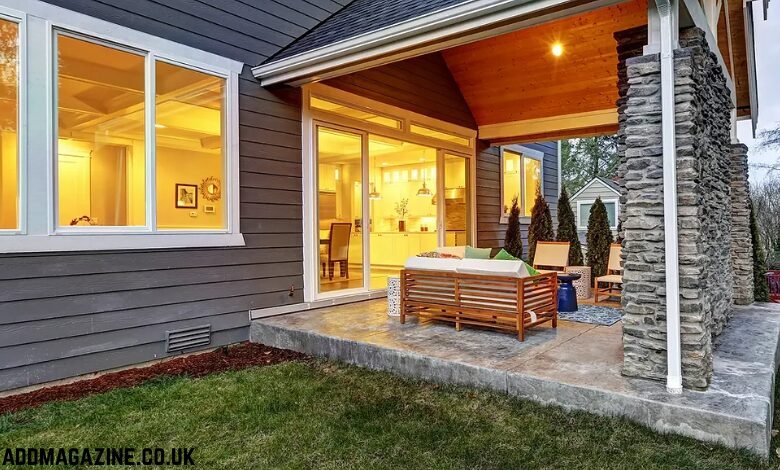
As property prices continue to rise across New Jersey, many homeowners are choosing to expand their current homes instead of relocating. A well-planned home addition can increase living space, improve functionality, and significantly enhance long-term property value.
However, expanding a home requires careful structural planning, permit approvals, and professional execution. The success of the project depends largely on working with experienced home addition contractors in NJ who understand local regulations and construction standards.
Why Homeowners Choose Home Additions
Home additions have become a practical solution for families who need more space but want to remain in their current neighborhood.
Common reasons include:
- Growing family needs
- Adding a master suite
- Creating a home office
- Expanding kitchens or living rooms
- Building in-law suites
- Increasing resale value
Relocating often involves high closing costs, limited housing inventory, and market uncertainty. Expanding an existing property allows homeowners to customize their living space without the disruption of moving.
Types of Home Additions
Home additions in NJ typically fall into several categories:
Room Extensions
Expanding an existing room outward to increase square footage.
Second-Story Additions
Building upward to maximize space without reducing yard area.
Garage Conversions
Transforming underused garages into functional living space.
In-Law Suites or Accessory Units
Adding private living quarters for extended family members.
Each type requires structural evaluation to ensure the existing foundation and framing can support the new construction.
Understanding Home Addition Costs in NJ
- Square footage
- Structural complexity
- Foundation work
- Roofing integration
- Electrical and plumbing upgrades
- Interior finishes
- Permit and inspection fees
Projects that involve major structural reinforcement or second-story construction typically require a higher investment.
Clear, detailed estimates from professional home addition contractors in NJ help homeowners plan realistically and avoid unexpected budget increases.
Permits and Zoning Regulations
New Jersey municipalities enforce strict zoning and building codes. Before construction begins, homeowners must comply with:
- Property setback rules
- Lot coverage limitations
- Height restrictions
- Structural safety standards
- Local building inspections
Failure to secure proper permits can result in delays, penalties, or costly corrections. Experienced contractors manage the approval process and ensure compliance with local regulations.
The Construction Timeline
A typical home addition follows structured stages:
1. Design and Engineering
Architectural plans and structural assessments are completed.
2. Permit Approval
Local authorities review and approve the construction proposal.
3. Foundation and Framing
The structural framework of the addition is built.
4. Mechanical Installation
Electrical wiring, HVAC systems, and plumbing lines are integrated.
5. Interior Finishing
Drywall, flooring, cabinetry, painting, and trim work complete the space.
Project timelines vary depending on complexity and weather conditions, but realistic planning prevents unnecessary delays.
Common Mistakes to Avoid
Home addition projects can encounter problems when planning is rushed. Common issues include:
- Underestimating total costs
- Ignoring zoning restrictions
- Changing design plans mid-project
- Hiring based solely on price
- Overlooking long-term structural considerations
Choosing qualified home addition contractors in NJ reduces these risks by providing structured project management and transparent communication.
Is a Home Addition in NJ Worth It?
For many homeowners, the answer is yes. A well-designed and professionally built addition can:
- Increase overall property value
- Improve comfort and functionality
- Accommodate growing family needs
- Provide long-term return on investment
When planned carefully and executed by experienced professionals, home additions can seamlessly blend with existing architecture while meeting modern lifestyle demands.
Ultimately, the success of a home addition depends not just on square footage — but on thoughtful design, regulatory compliance, and skilled craftsmanship that ensures durability for years to come.