
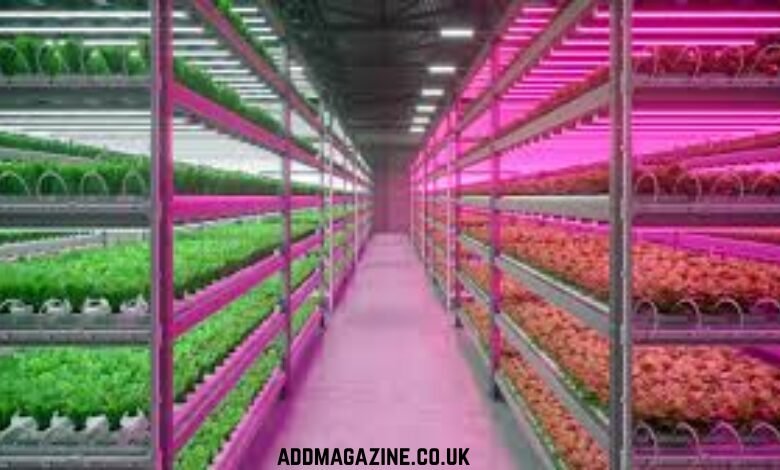
Lighting’s Hidden Role in Agriculture
Lighting has always been essential to farming, but in the past, natural sunlight was considered the only source that mattered. Today, things have changed. Agriculture has evolved into a data-driven and technology-rich industry, where everything from soil moisture to nutrient cycles can be optimized. Among these modern innovations, lighting has become a surprisingly powerful tool for improving yields, animal welfare, and operational efficiency.
That’s where Ceramiclite agricultural lighting comes in. Designed specifically for the unique needs of farms and livestock facilities, this lighting technology helps growers and producers manage their environments more effectively. It’s a perfect example of how thoughtful engineering can elevate traditional practices into modern, sustainable systems.
The Shift Toward Controlled Environments
Modern agriculture is increasingly about control. Farmers are no longer at the mercy of unpredictable weather patterns or inconsistent daylight. Controlled-environment agriculture (CEA) allows them to fine-tune growing conditions for plants and animals throughout the year. Lighting plays a key role in this shift.
Ceramiclite has recognized this need for precision. Their agricultural lighting solutions are built to deliver the right kind of light, at the right time, with exceptional energy efficiency and reliability.
What Makes Ceramiclite Agricultural Lighting Different
What sets Ceramiclite agricultural lighting apart is that it isn’t a generic lighting product adjusted for farm use. It’s engineered from the ground up for the realities of livestock barns, poultry houses, and similar facilities where conditions can be tough and consistent lighting is essential. Ceramiclite designs each fixture to deliver reliable illumination that supports healthy animal behavior, efficient routines, and safer working environments for farm staff.
Instead of focusing on plant growth cycles, Ceramiclite’s agricultural lighting centers on the needs of poultry, livestock, and large-scale production spaces. Birds and animals respond strongly to lighting patterns, brightness levels, and the stability of their environment. Ceramiclite’s systems help farmers maintain predictable light-dark cycles that encourage healthier feeding habits, calmer behavior, and steady production.
Ceramiclite also builds its lighting with long operating hours in mind. Agricultural operations rarely stop, so fixtures must handle humidity, dust, ammonia, and temperature swings. The LED systems are designed to use less energy without sacrificing brightness, which helps farms cut electricity costs over time. Many farms also appreciate the ability to adjust intensity and timing, allowing them to fine-tune lighting schedules for different stages of animal development.
By focusing on the behavioral and environmental needs of livestock and poultry, Ceramiclite delivers lighting that becomes a practical management tool rather than a simple utility.
Lighting influences far more than visibility inside a barn or coop. For poultry and livestock, consistent and well-managed lighting affects feeding patterns, growth rates, and stress levels. In many operations, lighting becomes part of the daily rhythm that animals rely on to regulate activity and rest.
This is where Ceramiclite agricultural lighting plays a role. Instead of targeting photosynthesis or plant development, these systems support animal welfare and productivity. For example, poultry respond strongly to both the duration and quality of light. The right lighting helps maintain steady egg production, supports balanced growth in broilers, and reduces stress behaviors that can affect flock health.
Livestock facilities benefit in similar ways. Proper illumination helps animals stay calm, promotes predictable routines, and reduces risks during feeding and handling. Workers also benefit from brighter, evenly distributed light, which improves visibility throughout barns, corridors, and storage areas.
Because Ceramiclite’s lighting produces minimal heat, it avoids adding unnecessary warmth to enclosed spaces where temperature control is already crucial. The long lifespan of LED fixtures also reduces maintenance demands, which is especially valuable in large barns where replacing bulbs can be time-consuming.
Lighting may seem like a small part of daily farm life, but when systems are designed specifically for the needs of animals, they can make a noticeable difference in both welfare and productivity.
Lighting’s Role in Animal Welfare
Lighting affects more than plants. In animal farming, light influences feeding, mating, and sleeping behaviors. Proper illumination helps maintain consistent routines, reducing stress and improving overall welfare.
For example, in poultry farming, well-controlled lighting supports better egg production and healthier growth. In dairy barns, consistent lighting helps maintain milk yield. Even fish farms now use specific lighting to regulate breeding and feeding cycles.
Ceramiclite agricultural lighting helps farmers manage these biological responses with precision. By adjusting brightness and timing, it is possible to create environments that mimic natural day-night cycles, encouraging healthier and more productive animals.
Sustainability and Cost Efficiency
Sustainability has become a major focus in agriculture, and lighting plays an important role in reducing energy use and environmental impact. Traditional lighting systems consume vast amounts of electricity and require frequent replacements. LEDs, however, use up to 70 percent less energy and can last for tens of thousands of hours.
Ceramiclite’s systems go a step further by offering smart controls that optimize usage. Lights can be dimmed or turned off automatically when natural daylight is sufficient. This helps reduce energy consumption while also prolonging the lifespan of the equipment.
Lower energy consumption means lower operational costs, and fewer bulb replacements reduce waste. For farmers looking to balance profitability with sustainability, these benefits make Ceramiclite agricultural lighting an attractive investment.
Adapting to Every Type of Agriculture
Agriculture is diverse, and lighting needs vary widely. Poultry farms, dairy barns, and aquaculture facilities each require unique lighting setups. This versatility is what sets Ceramiclite apart. Their lighting systems can be customized to the exact requirements of a farm, regardless of scale or specialty.
The Business Case for Better Lighting
Lighting may not be the first thing farmers consider when looking to improve efficiency, but its impact is undeniable. The right lighting setup enhances productivity, reduces costs, and creates a more sustainable operation.
By switching to advanced systems like Ceramiclite agricultural lighting, farms can see measurable improvements in output and energy savings. Many operations report faster crop cycles, better product quality, and lower electricity bills within months of upgrading.
In addition, some governments and energy programs offer incentives for adopting energy-efficient lighting technologies. This makes transitioning to modern LED systems even more cost-effective.
Ceramiclite: Leading the Way in Smart Agricultural Lighting
Ceramiclite has become a trusted name in agricultural illumination because it doesn’t treat lighting as an afterthought. The brand combines years of technical expertise with a deep understanding of agricultural needs. Their focus on innovation ensures that every lighting system contributes directly to a farm’s success.
The company also provides design and consultation services to help farmers plan effective lighting layouts. From small family-owned operations to large industrial farms, Ceramiclite offers scalable solutions that grow with the business.
The Future of Farming is Bright
As agriculture continues to adopt smart technology, lighting will remain a key factor in sustainability and efficiency. The integration of sensors, automation, and data analytics will make it possible to adjust lighting in real time based on conditions like humidity, temperature, and growth phase.
Ceramiclite is already working toward this future, developing lighting systems that integrate seamlessly into modern farm management platforms. Their commitment to quality and innovation ensures they remain at the forefront of agricultural lighting advancements.
Conclusion
Agriculture today is as much about technology as it is about tradition. Lighting, once an overlooked aspect of farming, has emerged as one of the most powerful tools for growth and efficiency.
Ceramiclite agricultural lighting exemplifies how the right technology can enhance productivity, animal welfare, and sustainability all at once. With its energy-efficient design, precision control, and long-term reliability, Ceramiclite provides farmers with a practical and forward-thinking solution for modern agriculture.
The future of farming is illuminated, and brands like Ceramiclite are leading the way toward smarter, more efficient, and more sustainable agricultural systems.