Strong habits at home protect your teeth more than any single visit. Yet many people still rush through brushing and skip flossing. You may feel unsure, rushed, or confused by mixed messages online. Clear education cuts through that noise. It shows you what works, what does not, and why each step matters. It also turns vague advice into simple actions you can follow every day.
This blog explains how better knowledge shapes your daily routine. It connects what you learn from a dentist in Norfolk, MA to the choices you make at your sink. It also shows how small steps, done the right way, can prevent pain, cost, and fear later. When you understand the “why” behind each habit, you are more likely to keep it. You gain control. You protect your mouth, your comfort, and your confidence.
Why knowledge changes daily habits
Most people know they should brush and floss. Many do not know how long, how often, or what tools work best. That gap creates quiet damage. Plaque builds. Gums bleed. Cavities grow without pain at first. Education closes that gap. It turns guesswork into clear steps.
When you understand three simple points, your habits grow stronger.
- What plaque is and how fast it grows
- How brushing and flossing remove it
- Why routine care saves teeth and money
Turning dental advice into simple daily steps
A short talk during a checkup can reshape your whole routine at home. You may learn a new brushing pattern. You may see how to angle floss so it hugs the tooth. You may practice how to help a child brush without a struggle. Each small lesson turns into one action you repeat each day.
Education works best when it is:
- Short and clear
- Specific to your mouth and health
- Easy to repeat at home
You can ask your provider to show you in a mirror or model. Then you can repeat the move while they watch. That quick practice builds memory. It also removes fear of doing it “wrong.”
What strong at-home care looks like
A strong home routine is simple. It does not need special gadgets. It needs steady effort, morning and night. Education helps you choose what matters and ignore what does not.
| Habit | Without clear education | With clear education |
|---|---|---|
| Brushing | Quick scrub, under 1 minute. Hard pressure. Missed back teeth. | Two full minutes. Soft circles. All surfaces reached. |
| Flossing | Skipped or rushed before visits only. | Once every day. Gentle “C” shape around each tooth. |
| Toothpaste | Any product, a large strip, often swallowed. | Fluoride paste. Pea-sized amount. Spit, do not rinse with water. |
| Snacks and drinks | Frequent sipping on sweet drinks through the day. | Water between meals. Sugary items are kept with meals only. |
| Dental visits | Only when in pain or when something breaks. | Checkups every 6 months or as advised. |
Helping children learn strong habits
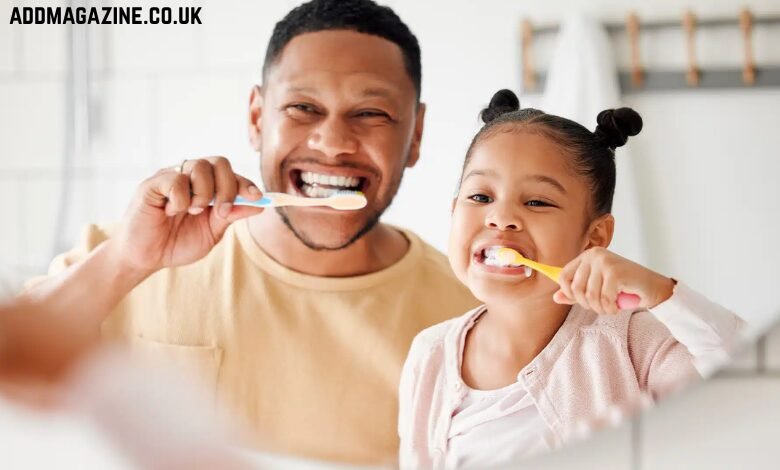
Children copy what they see. They watch how you treat your own teeth. Education helps you guide them with clear, steady rules. You give them structure, not fear.
Teach three basic points.
- Brush in the morning and before bed
- Use a small soft brush and a tiny pea of fluoride paste
- Let an adult help until at least age 7 or 8
The National Institute of Dental and Craniofacial Research offers plain fact sheets you can read with your child. You can turn them into a short nightly routine. You can count to 30 for each section of the mouth. You can use a simple sticker chart to track mornings and nights.
Working with a provider to build your plan
Education is strongest when it fits your life. A provider can help you adjust your routine to your work schedule, family needs, and medical conditions. You can bring three questions to each visit.
- What is the most urgent change I should make at home
- What tool or product do you suggest for my mouth
You can ask for printed steps or a simple chart. You can request that the staff show your child how to brush in the chair. That shared teaching builds trust. It also turns a short visit into a strong base for home care.
Keeping habits strong over time
Even strong habits can fade when life feels heavy. Education gives you reasons to return to them. You remember that each two-minute brushing session protects your future comfort. You remember that flossing today can prevent a deep cleaning later. Those facts carry weight when you feel tired.
You can protect your habits with three supports.
- Use reminders on your phone or bathroom mirror
- Keep spare brushes and floss in travel bags and at work
- Review your routine with your provider at each visit
Clear knowledge does more than fill your mind. It steadies your hands at the sink. It shapes how your family cares for their mouths. It also cuts the risk of sudden pain and large bills. When you seek and use dental education, you choose protection and control, one small habit at a time.