When tenants face problems with their homes, the physical and mental impact can be significant. From damp and mould to faulty heating systems, these issues can seriously affect a person’s health. In the UK, housing disrepair claims exist to protect tenants’ rights, but understanding how health issues factor into these claims is crucial for achieving a fair outcome.
Understanding Housing Disrepair
Housing disrepair refers to any condition in a rented property that violates a landlord’s legal obligations to maintain the home in a safe and habitable condition. Common examples include:
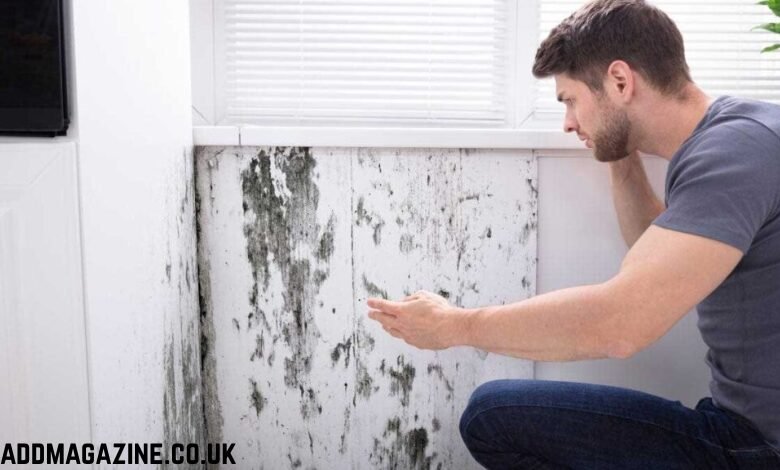
- Persistent damp and mould growth
- Broken or malfunctioning heating and hot water systems
- Leaking roofs or windows
- Structural issues that pose safety risks
While property damage alone is a concern, the consequences on a tenant’s health are often the most compelling factor when seeking compensation.
The Link Between Health and Disrepair
Health problems caused or worsened by poor housing conditions are taken seriously in the claims process. Medical evidence can strengthen a case, demonstrating the tangible impact of the disrepair. Typical health concerns linked to housing issues include:
- Respiratory problems – Damp, mould, and poor ventilation can trigger asthma, bronchitis, and other breathing difficulties.
- Allergies and infections – Poor hygiene and pest infestations may contribute to allergic reactions or increase susceptibility to infections.
- Mental health issues – Living in unsafe or uncomfortable conditions can lead to stress, anxiety, and depression.
- Physical injuries – Faulty flooring, broken stairs, or inadequate lighting may result in slips, trips, and falls.
Courts and tribunals recognise that the severity of these health effects can influence the amount of compensation awarded.
Providing Evidence of Health Impact
For a housing disrepair claim to succeed, tenants must provide credible evidence of the health impact. Some key steps include:
- Medical Records – GP letters, hospital notes, or specialist reports can link the condition of the property directly to the health issues experienced.
- Photographic and Video Evidence – Documenting the state of the property over time can corroborate claims of damp, mould, or disrepair.
- Expert Reports – In some cases, environmental or building surveys can demonstrate how the property’s condition affects health.
- Personal Statements – Keeping a diary of symptoms and how the property affects daily life adds a human perspective that legal teams and courts value.
It is important to note that even pre-existing conditions can be aggravated by poor housing, which is relevant for claims.
How the Law Protects Tenants
In the UK, landlords have a legal duty to ensure rented properties are safe and habitable. This duty is set out under:
- The Landlord and Tenant Act 1985, which requires properties to be kept in repair and safe for habitation.
- The Homes (Fitness for Human Habitation) Act 2018, which allows tenants to take legal action if a property is unfit.
If a tenant can show that their health has been affected due to disrepair, the court may award compensation that reflects both the inconvenience of living in poor conditions and the impact on wellbeing.
Considering Vulnerable Tenants
Certain groups, such as children, the elderly, and people with disabilities, may be more severely affected by housing disrepair. Courts recognise this and often weigh their vulnerability when considering claims. For instance, a child’s asthma worsened by damp conditions may be seen as a significant factor in compensation calculations.
Settlements and Compensation
Compensation for housing disrepair can cover:
- Physical and mental health effects – Including treatment costs or therapy.
- Loss of enjoyment – Stress and disruption caused by living in unsuitable conditions.
- Financial losses – Such as having to replace damaged personal belongings or alternative accommodation costs.
Tenants are encouraged to pursue legal advice early to understand their rights fully and gather sufficient evidence before making a claim.
Key Takeaways
- Health issues can significantly influence the outcome of a housing disrepair claim.
- Detailed evidence, including medical records, photos, and diaries, strengthens a claim.
- Vulnerable tenants may receive additional consideration.
- Legal protections exist to ensure landlords maintain safe and habitable properties.
- Early action and documentation are crucial for a successful claim.
In conclusion, the link between health and housing disrepair is undeniable. While the physical condition of a property is the starting point, the true impact on a tenant’s wellbeing often becomes the most compelling evidence in a claim. Understanding how health issues are considered ensures that tenants are better prepared to advocate for their rights and secure the compensation they deserve.