
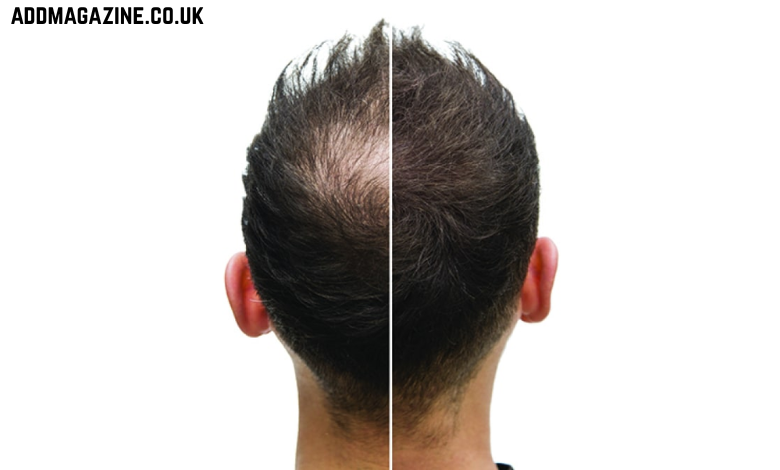
Hair loss affects millions of people across the UK, yet few topics carry quite the same emotional weight. Whether you’ve noticed thinning at the temples, a widening parting, or patches appearing seemingly overnight, the experience can feel isolating. According to NHS data, pattern baldness affects around half of all men by age 50, while women make up roughly 40% of those seeking treatment for hair loss conditions.
Once you begin treatment, a new challenge emerges: waiting. The mirror becomes a daily checkpoint, and every strand on your pillowcase feels like evidence that something isn’t working. Here’s the truth that specialists like Dr Ophelia Veraitch wish more patients understood from the start that hair regrowth takes time, and different treatments work at different speeds.
Understanding these timelines isn’t about managing disappointment. It’s about preventing the premature abandonment of treatments that might have worked brilliantly, given a few more months. A private dermatologist specialising in hair conditions can help you choose the right approach and set realistic milestones for your journey.
Understanding Hair Growth Cycles
Before discussing treatment timelines, it helps to understand why hair regrowth cannot be rushed. Your hair goes through a natural growth cycle consisting of three key stages.
The anagen phase is the active growth period, lasting between two and seven years. During this time, hair grows approximately 1cm per month. The catagen phase follows a brief transitional period of about two weeks where growth stops and the follicle shrinks. Finally, the telogen phase is the resting stage, lasting around three months before the hair sheds and a new strand begins growing.
At any given moment, roughly 85-90% of your hair is in the anagen phase while the remainder rests or sheds. This is why treatments require patience. Even if a treatment successfully stimulates your follicles today, that hair must progress through weeks of growth before becoming visible at the scalp’s surface.
Most treatments require a minimum of three to six months before visible improvement appears. Individual variation depends on genetics, the underlying cause of hair loss, and how consistently you follow your treatment protocol.
Treatment-Specific Timelines
Topical Treatments (Minoxidil)
Minoxidil remains one of the most accessible treatments available. Expect to use it consistently for three to six months before noticing initial signs of regrowth. Full assessment of effectiveness typically requires twelve months of use. During the early weeks, some people experience temporary increased shedding this often indicates the treatment is working by pushing older hairs out to make way for new growth.
Corticosteroid Injections
For conditions like alopecia areata, where patchy hair loss occurs due to immune system activity, corticosteroid injections can be remarkably effective. New hair growth often appears within four to eight weeks following treatment. Sessions are typically repeated every four to six weeks until satisfactory regrowth is achieved. This approach works best for localised patches rather than extensive hair loss.
PRP/PRF Hair Restoration
Platelet-rich plasma (PRP) and platelet-rich fibrin (PRF) treatments use your own blood components to stimulate follicle activity. Results generally become visible three to six months after completing an initial treatment series. Maintenance sessions every six to twelve months help sustain and extend these results over time.
JAK Inhibitors
For severe alopecia areata, JAK inhibitor medications represent a significant advancement. Some patients see regrowth within eight weeks, with substantial improvement often visible by twenty-four weeks. These prescription medications require specialist assessment and monitoring, making dermatologist supervision essential.
Lifestyle and Nutritional Support
When hair loss stems from nutritional deficiencies iron, vitamin D, or biotin, for example addressing these gaps can support regrowth. However, expect six to twelve months before seeing meaningful improvement. Nutritional approaches work best alongside medical treatments rather than as standalone solutions.
Factors That Influence Your Treatment Timeline
Several variables affect how quickly you’ll see results. The type and severity of your hair loss matters significantly someone with a few small patches typically responds faster than someone with extensive loss. How long the condition has existed before treatment began also plays a role, as does your overall health, including thyroid function and iron levels.
Consistency proves crucial. Skipping applications or missing appointments delays progress and makes it difficult to assess whether a treatment is truly working. Age and general health influence cellular regeneration and healing capacity, which indirectly affects hair growth.
Setting Realistic Expectations
Documenting your progress through photographs taken in consistent lighting helps you track changes that might otherwise go unnoticed. What constitutes “cosmetically acceptable” regrowth varies enormously between individuals some feel satisfied with moderate improvement while others hope for complete restoration.
Plan to reassess treatment effectiveness with your dermatologist at the six to twelve-month mark. Conditions like alopecia areata may require ongoing management rather than a single treatment course, and adjusting expectations accordingly prevents frustration.
When to Seek Specialist Help
Certain signs warrant professional consultation: sudden or rapid hair loss, patchy bald spots, scalp irritation or scarring, or hair loss accompanied by other symptoms. A dermatologist specialising in hair and scalp conditions offers expertise that general practitioners may lack.
During a consultation, expect a thorough examination, discussion of your medical history, and potentially blood tests or scalp analysis. From there, you’ll receive a diagnosis and personalised treatment plan based on evidence rather than guesswork. Working with a specialist ensures you receive informed guidance and access to proven treatment options tailored to your specific condition.
Conclusion
Hair regrowth demands patience, but patience paired with the right treatment approach does deliver results. Most people should expect three to six months minimum before visible improvement, with full assessment often requiring twelve months or longer.
Rather than watching the mirror anxiously each morning, focus on consistency and trust the process. With professional guidance, you can navigate this journey with realistic expectations and genuine hope for restoration.