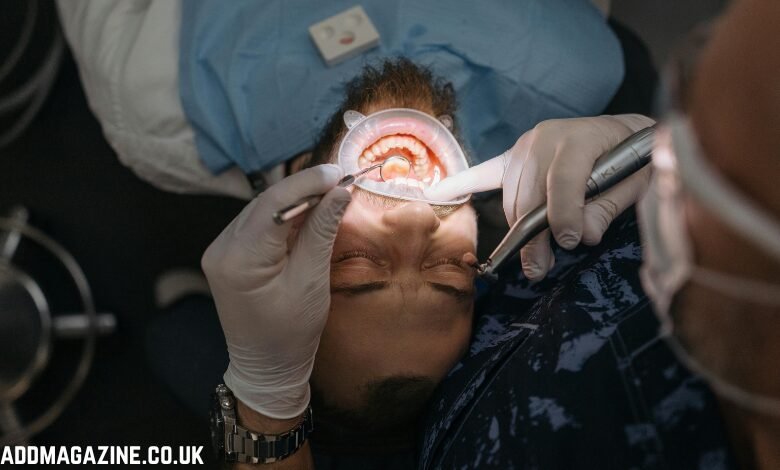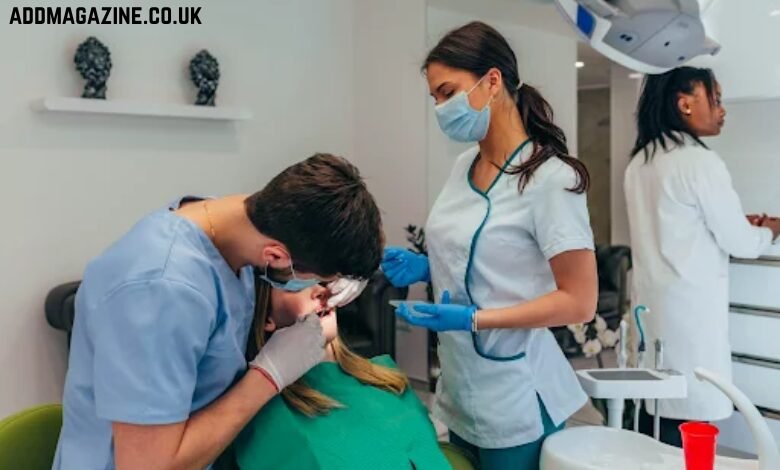
When you face missing or damaged teeth, that hope can feel distant. An oral surgeon in New Braunfels, TX and an implant dentist work together to change that. They plan every step with care. They remove damaged teeth when needed. They place dental implants that bond with bone. They shape the gums so your new teeth look natural. Then they attach crowns that match your bite and your face. This careful teamwork protects your jaw, keeps nearby teeth from shifting, and helps you chew with comfort. It also helps you speak clearly and smile without fear. You are choosing a lasting repair that can support your health for many years. This guide explains how these specialists work with you to create a smile that feels like it has always been yours.
Why missing teeth harm more than your smile
Missing teeth do more than leave gaps. They strain how you eat, speak, and relate to others. Over time, the bone in your jaw shrinks where teeth are gone. Nearby teeth tilt and wear down. Your bite changes, and your face can look sunken. You may avoid firm foods and choose soft, processed food. That can hurt your health and energy.
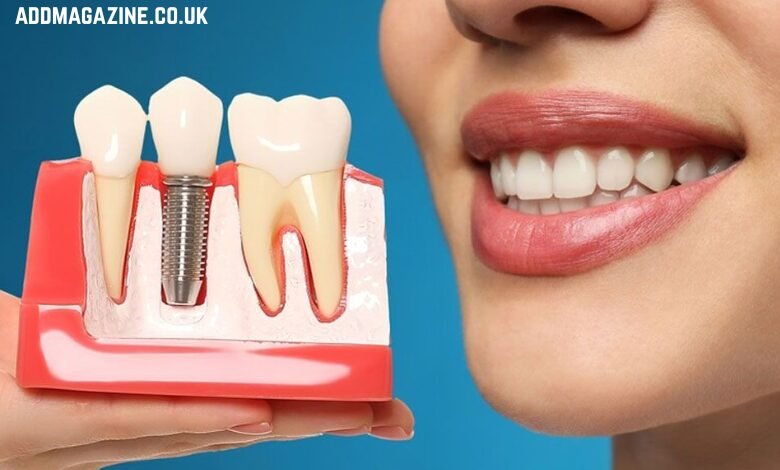
Dental implants give your jaw a new signal. The titanium post sits in the bone and carries chewing force. Your body reads that pressure as a reason to keep the bone. This helps protect your face shape. It also gives your new teeth a solid base.
What oral surgeons and implant dentists each do
You work with two trained partners. Each one brings a clear role.
- Oral surgeon. Places implants in bone. Removes teeth. Repairs bone and gum when needed. Handles complex surgery.
- Implant dentist. Designs and fits the visible teeth that attach to implants. Plan your bite. Guides llong-termcare.
They share images, notes, and goals. They adjust the plan together before any surgery. You get one joined path instead of scattered steps.
Step by step implant process
The process follows a steady order. That order protects healing and long-term strength.
- First visit. You share your story, health, and goals. The team checks your mouth, gums, and bite. They take 3D scans of your jaw.
- Planning. The surgeon and dentist map where each implant should go. They measure bone height and width. They plan the shape and size of your future teeth.
- Tooth removal and bone care. If teeth must come out, the surgeon removes them. The surgeon may add bone material so your jaw can hold an implant.
- Implant placement. The surgeon places each titanium post into the bone.
- Healing. Over the next few months, bone grows around the implant. This process is called osseointegration in science. It locks the post in place.
- Abutment and gum shaping. The surgeon or dentist adds a small connector to the implant. Your gums heal around it to create a natural line.
- Crown or bridge. The implant dentist attaches a crown, bridge, or full arch to the abutments. The dentist checks your bite and fine-tunes the shape.
The National Institute of Dental and Craniofacial Research explains that implants can last many years when placed and cared for with this kind of careful plan.
Implants compared with bridges and dentures
Every tooth replacement choice has tradeoffs. The table below shows key differences for most adults who qualify for implants.
| Feature | Dental Implants | Fixed Bridge | Removable Denture |
|---|---|---|---|
| Support | Anchored in jaw bone | Anchored to nearby teeth | Rests on gums |
| Effect on nearby teeth | No grinding of nearby teeth | Requires shaping of nearby teeth | No change to nearby teeth |
| Bone health | Helps maintain bone | Does not prevent bone loss | Does not prevent bone loss |
| Chewing strength | Close to natural teeth | Good for many foods | Often weaker chewing |
| Speech | Feels natural after healing | Usually clear speech | May slip and affect words |
| Expected lifespan with good care | Many years or more | Often 10 years or more | Often 5 to 8 years before remake |
| Daily cleaning | Brush and floss like natural teeth | Brush and use special floss | Remove and clean outside the mouth |
The American Dental Association notes that implants are a strong option for many adults with missing teeth. Yet they still require enough bone, healthy gums, and good daily care.
What to expect before and after surgery
Before surgery, you share all medicines, health conditions, and past surgeries. You may need blood work or a note from your doctor. You learn what kind of numbing or sleep medicine the team will use. You also get clear rules about eating, drinking, and rides home.
Right after surgery, you may feel pressure, swelling, and soreness. The team gives you pain control, cleaning steps, and food tips. They may ask you to rest, use ice, and eat soft food. You return for checks to watch healing and adjust the plan if needed.
Daily habits that protect your implants
Implants can fail when gum infection or smoking harms the bone around them.
- Brush twice each day with a soft brush and low foam paste.
- Clean between teeth and implants once each day with floss or small brushes made for implants.
- See your dentist on a steady schedule for cleanings and X-rays
Also t,ry to avoid tobacco and limit sugary snacks. These steps lower your risk of gum infection and decay on nearby teeth.
When to speak with an oral surgeon and implant dentist
Reach out when you have one or more missing teeth, loose teeth from gum disease, or dentures that hurt or slip. You may also seek help if you avoid firm food, cover your mouth when you laugh, or feel strain in your jaw joints.
You deserve care that respects your time, your health, and your story. With a clear plan, steady teamwork, and your daily care, oral surgeons and implant dentists can help you build a smile that feels strong every day.