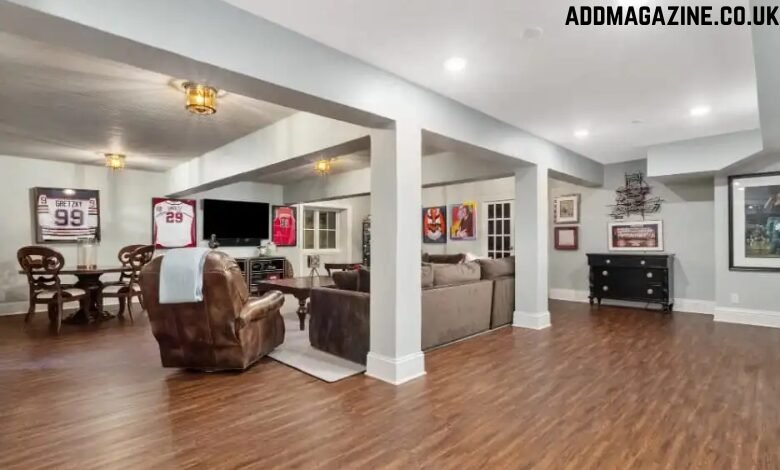
It’s hard to imagine decorating a home without a little digital influence. Instagram reels, Pinterest boards, and TikTok room tours have become the go-to sources for inspiration, offering endless scrolls of beautiful spaces that spark ideas in seconds. But while these platforms have democratised design and opened up access to countless styles, they’ve also blurred the line between inspiration and imitation. Many homes now look strikingly similar: beige tones, boucle chairs, pampas grass, and the inevitable herringbone floor. It’s no coincidence, it’s the algorithm at work.
This isn’t all bad, of course. Social media has given everyone the confidence to experiment with interiors. However, when designing a new home, it’s worth pausing to ask: are these choices truly personal, or simply what performs best online?
The Rise of the Algorithmic Aesthetic
Social media trends move fast; what’s “in” this season can feel outdated by next. A few years ago, the minimalist Scandinavian aesthetic dominated feeds. Now, the pendulum has swung towards colourful maximalism and ‘cluttercore’. Each shift reflects wider cultural moods: during uncertain times, minimalism offers calm; when the world feels grey, vibrant interiors feel like rebellion.
But the danger lies in designing for approval rather than comfort. A home built to impress followers may look stunning on screen, but feel sterile in person. Those neutral, perfectly styled corners often hide a lack of warmth and personal connection with scuffed skirting boards, imperfect textures, and a mix of memories.
Why We’re Drawn to Social Media Design
There’s psychology behind the pull of social media interiors. Humans are visual creatures; seeing an image of a beautifully balanced room triggers a desire for order and control in our own environments. Platforms like Pinterest or Instagram offer the illusion of attainable perfection, all just a few purchases away.
But that’s where the trap lies. What works for someone else’s Edwardian townhouse may not translate well to a new-build apartment or coastal cottage. The filtered glow of a designer’s feed rarely captures how a paint colour looks in natural light, or how practical white boucle fabric is when pets and children are involved. It’s easy to forget that these curated images are often part of someone’s livelihood: styled, sponsored, and staged.
Designing Authentically in a Social Media World
To create a home that feels genuinely personal, it helps to take inspiration beyond the feed. Use social platforms as a mood board, not a manual. Save images that evoke a feeling rather than a specific item; perhaps the warmth of parquet flooring, the softness of natural linen, or the way light falls across amuted wall tone. These emotional cues are far more useful than simply copying a layout or palette.
When planning a new home, start with how each room should feel. Should the kitchen energise or soothe? Should the bedroom embrace darkness for rest, or the morning light for calm? Let these answers guide decisions about texture, colour, and material. Mixing old and new also adds authenticity; a vintage lamp beside a contemporary sofa, or reclaimed timber against smooth concrete flooring. Such contrasts tell a story no algorithm could predict.
Reclaiming the Joy of Slow Design
Designing a home doesn’t have to be a one-time reveal. The idea that every space must be “finished” before being shared online has created unnecessary pressure. True interiors evolve, shaped by daily life. Waiting to find the right artwork, experimenting with lighting, or rearranging furniture as seasons shift all add depth and character.
Even sustainability benefits from slowing down. Choosing long-lasting materials like wooden herringbone floors or wool rugs over short-lived trends means fewer replacements, all of which are better for the planet and the pocket. It’s also more satisfying to curate a space piece by piece, allowing it to reflect genuine tastes rather than fleeting styles.
Is Social Media Inspiration Worthwhile?
When approached with intention, using social media for inspiration can be worthwhile. Online platforms remain incredible sources of creativity, connecting people with styles they might never have discovered otherwise. The key is to use them mindfully. Instead of replicating the most popular post, take cues and reinterpret them through a personal lens.
A home should feel lived-in, layered, and loved. Not just ready for a snapshot. After all, beauty in interiors lies not in perfection, but in authenticity. And that’s something no filter or algorithm can replicate.