What Defines a Tactical Medical Kit?
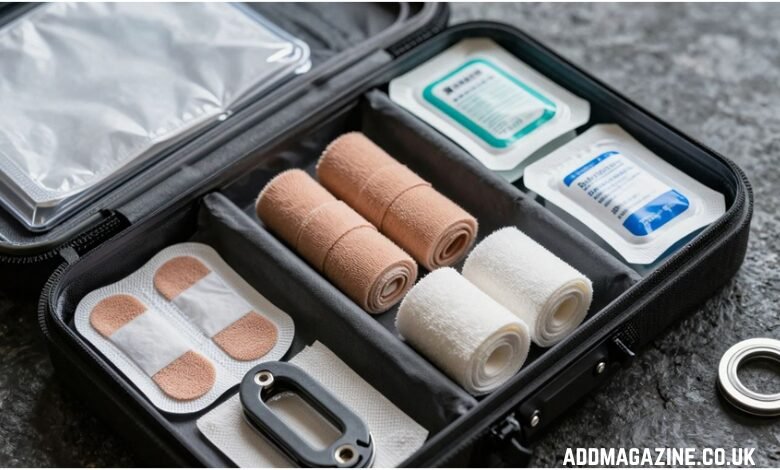
A tactical medical kit is a specialized set of supplies built for dangerous situations. Think active shooter events or combat zones. It’s not your average first aid box. This kit focuses on immediate, life-saving interventions when help might be far away. The gear needs to be tough, easy to carry, and quick to access.
Distinguishing Tactical Kits from Standard First Aid
Standard first aid kits are for everyday scrapes and minor injuries. A tactical medical kit, however, is designed for severe trauma. It includes items like tourniquets for massive bleeding, chest seals for collapsed lungs, and advanced airway tools. The goal is to stabilize critical patients in high-risk environments before they can get to a hospital. Preparedness with a tactical medical kit means being ready for the worst.
The Role of Tactical Medical Kits in High-Risk Environments
In places where danger is constant, a tactical medical kit is a vital piece of equipment. It allows trained individuals to provide immediate care, drastically improving survival chances. These kits are built for speed and effectiveness, helping responders manage injuries like severe bleeding or breathing problems under intense pressure.
Essential Components of Tactical Medical Kits
Personal Protective Equipment for Responders
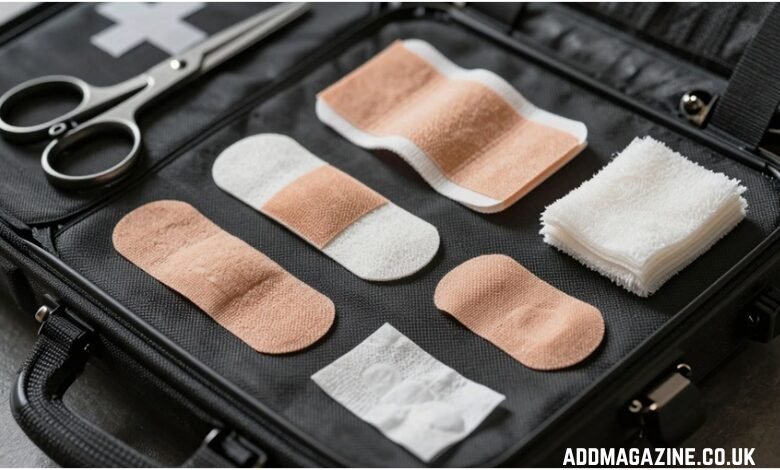
When you’re in a high-risk situation, protecting yourself is step one. A good tactical medical kit always starts with personal protective equipment, or PPE. This isn’t about body armor; it’s about keeping yourself safe from bodily fluids and potential infections while you help someone else. Think gloves, masks, and eye protection. These items are small but make a big difference in preventing the spread of germs and keeping you healthy enough to continue your work.
It’s easy to overlook these simple items, but they are non-negotiable. Having a few extra pairs of gloves readily accessible is always a good idea. Remember, a clean responder is a more effective responder.
Critical Tools for Patient Assessment
Once you’ve protected yourself, you need to figure out what’s going on with the patient. This is where assessment tools come in. A stethoscope and blood pressure cuff are standard, but in a tactical setting, you might also want a portable pulse oximeter to check oxygen levels and maybe even a thermometer. These tools help you get a quick picture of the patient’s condition.
Knowing the patient’s vitals helps you make better decisions about treatment. It’s not just about stopping bleeding; it’s about understanding the whole picture. These assessment tools are key to prioritizing care and making informed choices under pressure.
Life-Saving Trauma Supplies
This is where the “tactical” part really shines. We’re talking about things that can stop major bleeding fast, like tourniquets and hemostatic agents. Chest seals are also vital for treating penetrating chest wounds.
Don’t forget about airway management. Sometimes, the biggest threat isn’t bleeding, but the inability to breathe. Items like nasopharyngeal airways can be a lifesaver. A well-stocked tactical medical kit is built around these immediate, life-saving interventions. It’s about having the right gear to handle the worst-case scenarios.
Optimizing Your Tactical Medical Kit
Balancing Capability with Portability
When putting together a tactical medical kit, the biggest challenge is finding the right balance. You need enough supplies to handle serious injuries, but the kit also has to be light enough to carry without slowing you down. A well-organized kit is one that can be accessed quickly. It’s not about stuffing every possible item in; it’s about having the right tools ready when seconds count.
Consider the weight of your gear. A tactical medic already carries a lot – body armor, weapons, communication devices. Adding too much medical equipment can become a real burden. Look for multi-use items and prioritize based on the most likely threats you’ll face. A lighter kit means better mobility, which is key in high-risk situations.
Here’s a quick look at how weight can add up:
| Item Category | Typical Weight Range (lbs) | |
| Body Armor & Helmet | 25 – 50 | |
| Weapons & Ammo | 10 – 20 | |
| Medical Kit (Optimized) | 5 – 15 |
Organizing for Rapid Deployment
How you pack your tactical medical kit matters. Everything needs a place, and that place should make sense for quick access. Think about how you’d reach for something under stress. Items used for immediate life threats, like tourniquets or chest seals, should be right on top or in easily accessible pockets. This organization is vital for effective patient care.
Use pouches and dividers to keep things sorted. Group similar items together – for example, all your bleeding control supplies in one section, airway management in another. Labeling can also help, especially if multiple people might need to access the kit. The goal is to reduce fumbling and wasted time.
A disorganized kit can be as bad as no kit at all when facing a critical incident. Practice accessing your gear so it becomes second nature.
Considering Environmental Factors
The environment where you operate plays a big role in what goes into your tactical medical kit. Are you in a hot, dry climate or a cold, wet one? Extreme temperatures can affect medical supplies and how you use them. For instance, cold weather might require extra ways to keep a patient warm, while a desert environment might mean more focus on hydration.
Think about the specific risks of the area. If you’re operating in a place known for certain types of injuries, tailor your kit accordingly. Also, consider the duration of your deployment. Longer missions might require more robust supplies or resupply plans. Your tactical medical kit should be adaptable.
- Temperature Extremes: Protect medications and supplies from heat or cold.
- Terrain: Consider how the environment might affect patient movement and access.
- Local Hazards: Factor in specific risks like venomous creatures or chemical exposures.
Key Applications of Tactical Medical Kits
Active Shooter Situations
In the chaos of an active shooter event, time is the enemy. A tactical medical kit is designed for immediate response to severe bleeding and trauma. Rapid application of tourniquets and hemostatic agents can be the difference between life and death for victims. These kits allow first responders to provide critical care right on the scene, stabilizing patients until they can be moved to a safer location for further treatment. Having a well-stocked tactical medical kit readily available is paramount.
Combat and Military Operations
Military personnel face unique and extreme medical challenges. Tactical medical kits are indispensable for battlefield medics. They contain specialized tools to manage blast injuries, gunshot wounds, and other combat-related trauma. The ability to quickly control hemorrhage and manage airway issues in a hostile environment is a core function of these kits. The tactical medical kit is a constant companion, built for durability and effectiveness under fire.
Search and Rescue Missions
When lives hang in the balance during search and rescue operations, especially in remote or difficult terrain, a tactical medical kit proves its worth. Rescuers might encounter victims with injuries sustained from falls, environmental exposure, or entrapment. These kits provide the means to stabilize patients, manage hypothermia, and address traumatic injuries until extraction is possible. Portability is key here, allowing rescuers to carry life-saving supplies wherever they go.
Law Enforcement Scenarios
Law enforcement officers often arrive first at the scene of accidents, violent altercations, or medical emergencies. A tactical medical kit equips them to provide immediate aid before more advanced medical help arrives. This includes managing bleeding from stabbings or shootings, assisting with breathing difficulties, and treating other traumatic injuries. The presence of a tactical medical kit on patrol can significantly improve patient outcomes in a wide range of law enforcement situations.
Proper Usage of Tactical Medical Supplies
Effective Tourniquet Application
When dealing with severe limb bleeding, a tourniquet is a game-changer. It’s designed to stop blood flow completely. Proper application is key to its effectiveness and to avoid causing further harm.
The goal is to place the tourniquet high and tight on the limb, above the wound. This means getting it as close to the torso as possible, without covering a joint. Once in place, tighten the windlass until bleeding stops. This is a critical step in managing life-threatening hemorrhage.
Utilizing Hemostatic Agents
Hemostatic agents are special materials that help blood clot faster. They are super useful for wounds that can’t be fully covered by a tourniquet, like those in the groin or armpit. These agents come in different forms, often as gauze or powder.
To use them, pack the agent directly into the bleeding wound. Apply firm, direct pressure for at least three minutes. This gives the agent time to work. Using a hemostatic agent correctly can significantly reduce blood loss and buy precious time for the patient.
Applying Chest Seals Correctly
Chest seals are used for penetrating chest wounds, often called ‘sucking chest wounds.’ These injuries can cause air to enter the chest cavity, making it hard to breathe. A chest seal stops this air from getting in.
First, make sure the wound area is dry. Make sure it sticks well around the edges. It’s important to leave a small unsealed edge or vent if the seal has one, to allow any trapped air to escape. This prevents pressure buildup. Knowing how to use these tactical medical supplies can make a big difference.
The Importance of Preparedness
Why Every First Responder Needs Tactical Preparedness
Being ready for the unexpected is more than just a good idea; it’s a necessity in high-risk fields. Tactical preparedness means having the right gear, the right training, and the right mindset before an incident even happens. It’s about anticipating potential threats, from active shooters to environmental disasters, and having a plan in place to deal with them.
Every member of a tactical team, including medical personnel, must be proficient in basic life-saving skills. This isn’t just for the designated medic; it’s for everyone. When a casualty occurs, the nearest person needs to be able to act. This shared responsibility for preparedness means that help is available faster, regardless of who is closest to the injured party. It builds a stronger, more resilient team.
This level of readiness involves more than just having a kit. It requires regular drills, scenario-based training, and a constant evaluation of potential risks. Understanding the environment, the likely threats, and the capabilities of the team are all part of tactical preparedness.
The Impact of Timely Intervention
In any high-risk situation, the speed at which medical aid is rendered directly impacts the outcome. A delay of even a few minutes can turn a survivable injury into a fatality. This is where tactical preparedness truly shines. When responders are trained and equipped to act immediately, they can stabilize a patient and prevent further harm.
Think about severe bleeding. Applying a tourniquet or hemostatic agent within the first minute can be the difference between life and death. This immediate intervention, often performed by a fellow team member before professional medical services can arrive, is a direct result of having the right supplies and the knowledge to use them. It’s about closing the gap between injury and definitive care.
Timely intervention isn’t just about stopping bleeding; it’s also about managing airway issues, treating chest injuries, and recognizing shock. Each of these requires prompt action. The impact of this speed is profound, saving lives that would otherwise be lost due to preventable complications.
Continuous Training for High-Stakes Scenarios
Situations requiring tactical medical kits are dynamic and unpredictable. What worked yesterday might not work today. That’s why continuous training is not optional; it’s a requirement for maintaining proficiency. Regular practice keeps skills sharp and ensures that responders can react effectively under extreme stress.
Training should go beyond simply learning how to use a tourniquet. It needs to simulate the chaos and pressure of real-world events. This includes practicing with gear, working in teams, and making split-second decisions. The goal is to build muscle memory and confidence, so that when the real event occurs, the training takes over.
The effectiveness of any tactical medical kit is directly tied to the proficiency of the individual carrying it. Without ongoing practice, even the most advanced supplies can become a burden rather than a life-saving tool. Regular, realistic training is the bridge between having equipment and being able to use it effectively when it matters most.
This commitment to ongoing education and practice ensures that responders are not only prepared but are also adaptable. They can adjust their tactics and techniques based on new information, evolving threats, and lessons learned from past incidents. This dedication to continuous improvement is what truly defines tactical preparedness.
Final Thoughts on Tactical Medical Kits
Having the right gear in a tough spot can really make a difference. Tactical medical kits aren’t just bags of supplies; they’re tools that help people act fast when it matters most. Knowing what goes into one and how to use it means you’re better prepared for those unexpected, high-risk moments. It’s about being ready to help, no matter the situation.