Have you ever put a dog harness on your dog, pulled the straps a little, looked at it for a second, and thought… yeah, this should be fine? Most of us do exactly that. We buy a good dog harness, put it on, and assume that if the dog is walking, then everything must be okay. But then the walk actually starts. The harness shifts to one side, your dog suddenly stops for no reason, or somehow manages to pull backwards like a magician escaping a trick. And then you start wondering… is the problem the dog, the leash, or the dog harness itself?
Truth is, a lot of walk-time problems come down to fit. Not quality, not behaviour, just fit. Even a really good dog harness can feel wrong if it is too tight, too loose, or sitting in the wrong spot. The annoying part is that a bad fit is not always obvious at first. That is why it helps to know a few simple signs you can check yourself at home. Nothing technical here, just practical things every pet owner should notice.
6 Signs To Check If Your Dog Harness Fits Properly
If your dog looks irritated the whole time, chances are the fit is not right somewhere. Let us go through the signs one by one.
1. You Can Fit Two Fingers Under The Straps
Yes, this old rule again. But honestly, it works. Slide two fingers under the strap of the dog harness. Not forcing it in, not squeezing, just sliding them in normally.
If you cannot fit two fingers, the dog harness is too tight. This is usually when rubbing starts, especially under the legs. Some dogs will still walk, but you can tell they are not happy. Others will just stop and refuse to move, which makes the whole walk awkward. If that happens, loosen the straps a little and check again.
If your fingers go in too easily, then the dog harness is too loose. Loose harnesses create a different kind of trouble. They move around, twist, and sometimes the dog can even slip out. Tighten the straps slowly until the harness feels snug but not tight.
2. The Harness Does Not Keep Sliding Around
Put the dog harness on and let your dog walk around the room first. Not outside yet. Inside is better because you can actually watch what is happening.
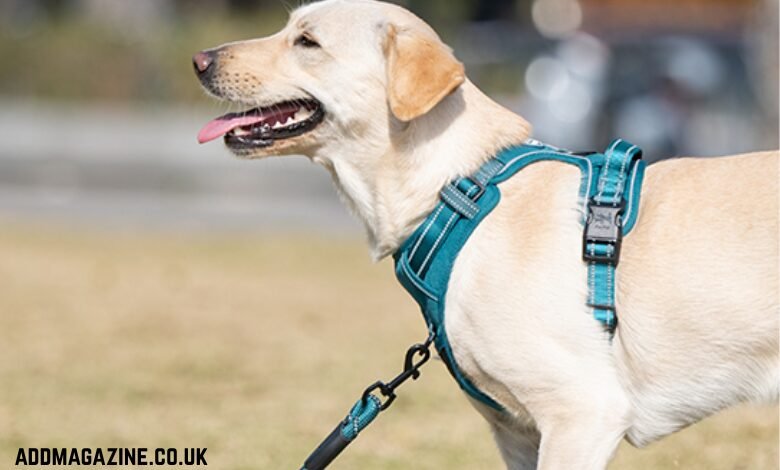
A properly fitted dog harness should stay where you placed it. It should not rotate to one side, and it should not slide up towards the neck. It should also not look like it is hanging unevenly from one strap.
If the harness keeps moving, try adjusting the chest strap first. If you tighten everything and the dog harness still shifts, the size may not be right. And yes, this happens a lot. One dog harness does not fit every dog, even if the weight chart says it should.
3. Your Dog Can Move Normally Without Acting Weird
This one sounds obvious, but people miss it all the time. Just watch how your dog walks. Does the walk look normal, or does it look stiff, slow, or slightly annoyed?
A good dog harness should not change how your dog moves. Your dog should be able to sit, run, turn, and lie down without thinking about the harness.
If your dog keeps stopping, scratching, or trying to bite the harness, something feels wrong to them. Usually, the straps near the chest or shoulders are too tight. Try loosening them a little and see if the dog relaxes.
Sometimes the size is correct, but the design does not suit your dog’s body. Dogs with wider chests, for example, often need a more adjustable dog harness.
4. No Red Marks After You Take It Off
This is something many pet owners forget to check, but it tells you a lot. After the walk, remove the dog harness and take a quick look at your dog’s fur and skin.
Check near the front legs, around the chest, and under the belly strap. If you see red marks, flattened fur, or small patches where the hair looks rubbed, the harness is causing friction.
Try adjusting the straps so the harness sits evenly. If the marks keep showing up, you may need a dog harness with softer padding or better adjustment.
5. Your Dog Cannot Slip Out When Pulling Back
Some dogs have this strange talent. The moment they get nervous or excited, they pull backwards and somehow come out of the harness. If that happens, the dog harness is not fitted properly.
Hold the leash and gently pull backwards, just to test. The harness should stay secure and not slide over the head.
If it starts slipping, tighten the neck and chest straps slightly. If you already tightened them and it still feels loose, the harness may simply be too big. In that case, going one size smaller in the dog harness usually fixes the problem.
6. Your Dog Looks Comfortable Wearing It
In the end, your dog’s behaviour tells you the truth. When a dog harness fits properly, most dogs act normally. They walk happily, look around, sniff things, and forget the harness is even there.
If your dog freezes, rolls on the floor, scratches again and again, or keeps shaking its body, the harness probably feels wrong. And yes, some dogs are dramatic, but still, it is worth checking the fit.
Try small adjustments first. Tighten one strap, loosen another, and see the reaction. Sometimes the perfect fit is just one small change away. A good dog harness should feel secure without making your dog feel stuck.
Conclusion
A good dog harness should make walks easier, not more stressful. When the fit is right, your dog moves comfortably, stays secure, and does not try to escape every few minutes. When the fit is wrong, you will notice shifting, rubbing, pulling, or just a very unhappy dog. When the dog harness fits the way it should, walks feel smoother, safer, and honestly, much more enjoyable for both of you.