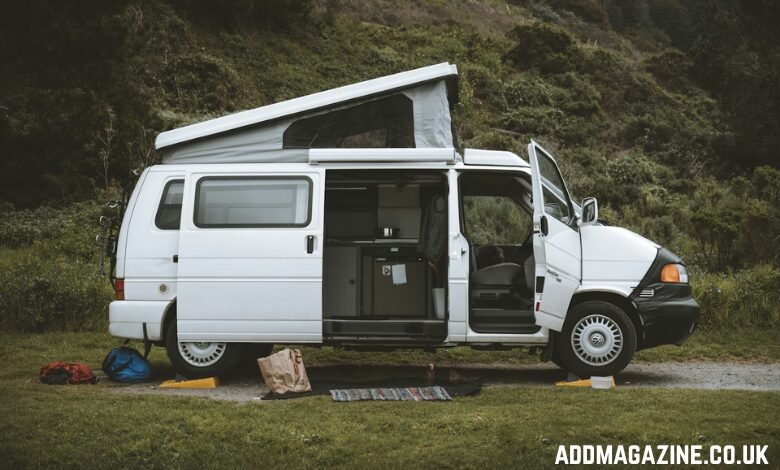
A California road trip feels like a mix of freedom, curiosity, and a long list of possibilities. The scenery shifts quickly, and the RV you choose becomes the place where you rest, reset, and keep everything running smoothly.
Some travelers want something compact that handles long stretches of highway without stress. Others want more space because they enjoy settling into a rhythm once they reach camp. These choices shape how your days unfold.
Here’s a helpful guide on how to match your campervan to your travel style, route, and comfort needs so your California road trip feels smooth, safe, and memorable.
Know How You Travel
Before you look at specific RV types, think about your habits. These small details matter more than any long feature list.
- How far do you plan to drive each day?
- How many people are traveling?
- How much time do you expect to spend inside the camper?
- How often do you cook, snack, or prep food?
- How frequently do you plan to move locations?
Your daily rhythm shapes everything. A couple who cook twice a day will want a simple kitchen with decent counter space. A family with kids may need clear storage areas and a fixed bed so the evenings stay calm.
If you move every single day, you’ll probably value easier maneuverability. But if you’re settling into one region for a week, you may care more about interior comfort. Being honest with yourself here removes a lot of the pressure later, because you stop trying to match someone else’s travel style.
Think About Personal Space
Everyone has different comfort levels when it comes to sharing space. Some people do fine in tighter layouts. Others need more breathing room, even on short trips. If your group has mixed comfort levels, choose a layout with specific zones so people can nap, read, or handle morning routines without stepping around each other.
Consider Your Energy Levels
Long driving days can be tiring. If you know you prefer shorter bursts of driving, choose a layout with an easier setup at camp. If you enjoy pushing through longer stretches, look for a comfortable seat, good visibility, and a layout that makes rest stops simple.
Check Real Layouts Before You Decide
Once you have a sense of your needs, it helps to look at real interiors instead of relying on descriptions. Rental platforms like Indie Campers are useful for this because they show a wide range of models used on California routes. Browsing a few listings gives you a realistic feel for bed sizes, storage placement, and how easy it is to move through the vehicle during busy mornings.
Photos help, but before you rent RVs in California, look for:
• Walk-through videos
• Reviews from people who used the same model on longer trips
• Measurements for beds, headroom, and storage compartments
• Photos with people inside for scale, not just staged setups
You will quickly notice what you like, what irritates you, and what features sit in the middle. Most people reach a decision faster once they compare real layouts instead of relying on brochures.
Test the Flow of a Day
Imagine an average day in your home on the road.
Picture:
- Someone making coffee
- Someone else getting dressed
- Bags being loaded and unloaded
- Quick bathroom stops
- A late-night return to camp
If the layout feels awkward during simple routines, it will become frustrating by day three.
Key Features That Matter on the Road
Every RV looks fine in photos. The real test is how the space supports daily life. Look at the features that influence comfort, safety, and stress levels.
Space and Movement
You need enough room to get dressed, grab things quickly, and move without knocking elbows with someone every hour. Even small upgrades like a movable table or a better walkway can make a big difference.
A Kitchen Setup You Will Actually Use
Choose a kitchen based on how you actually cook and eat while traveling, not on a wish list of features. Think about whether you will prepare full meals or mostly quick snacks, and consider how much fridge space you realistically need for several days of food.
It is also important to factor in cleanup. A kitchen that is difficult to maintain will slow down daily routines and create extra stress. Decide whether an oven is essential for your cooking style, or if a simple cooktop will cover most of your needs.
Storage That Matches Your Habits
Storage is one of the areas where RVs differ the most, and it can make or break daily life on the road. Shoes, jackets, and everyday items need clear places so they do not pile up and create clutter. Toiletries should have a dedicated cabinet or drawer so morning routines stay calm and efficient.
Easy access to jackets and layers is important in California, where the weather can change quickly between coastlines, deserts, and mountains. Snacks, drinks, and other small items should have their own space, separate from counters or dining areas, to prevent the interior from feeling chaotic.
When storage is thoughtfully planned and matches your habits, your mobile home feels calmer and easier to live in. Even during longer trips, a well-organized setup helps keep routines smooth and the space comfortable for everyone.
A Reliable Driving Experience
Driving comfort often gets overlooked because people focus on layouts and amenities first. Once you are on the road, it becomes one of the most important parts of the trip. A smooth driving experience keeps long days manageable and helps you stay relaxed as you move between regions.
Some things to look at include:
- Turning radius. A tight turning radius makes it easier to handle small towns, parking lots, and unexpected detours. If you plan to explore more than just main highways, this becomes very useful.
- Visibility from the driver’s seat. Large windows, good mirrors, and a clear view of the road help you feel more in control. This matters on scenic routes, where curves and elevation changes appear often.
- Overall height. California has tree-lined routes, low overhangs, and older campground entrances. Knowing the RV’s height gives you peace of mind when approaching tunnels, bridges, and narrow access roads.
- Mirror size and placement. Good mirrors reduce blind spots and make lane changes feel easier. This becomes important on busier stretches of the Pacific Coast Highway or when merging near larger cities.
- Road noise. Some models stay quiet inside, while others pick up rattling or wind noise. Less noise helps you stay focused and reduces fatigue over long distances.
- Ease of reversing and parking. Check whether the motorhome has a reversing camera, clear sightlines, or simple markers inside. Comfortable parking makes daily stops feel smoother and removes a lot of frustration.
- Confidence on narrow roads. If certain roads make you nervous, choose a size that feels comfortable rather than pushing yourself into a stressful situation. Feeling steady behind the wheel sets the tone for the whole trip.
Make Sure It Fits Your Route
California offers coastlines, mountains, deserts, and busy cities, each with its own pace and driving style. The motorhome you choose needs to support the terrain you plan to cover most, so your days on the road are comfortable and predictable.
- Coastal drives are long and steady, often with wide highways and scenic pullouts.
- Mountain areas require vehicles that handle curves and inclines well, with good braking and stability.
- Desert regions demand a setup with proper airflow and cooling, along with storage for water and sun protection.
- City driving calls for shorter lengths, easier parking, and maneuverability on narrow streets.
- Forest areas can have tight paths, low-hanging branches, or uneven ground, making clearance and compact size important considerations.
Think carefully about where the RV will spend most of its time. The right vehicle feels comfortable across the majority of your planned route, not just for a single highlight destination.
Look at Campground Options Early
Campgrounds differ widely in what they can accommodate. Some accept all RV sizes, while others limit length or width. Some offer full hookups for electricity, water, and sewage, while others only allow dry camping. Planning ahead gives you a clearer sense of which camper van sizes and layouts will work best for your itinerary and ensures your stops are smooth and stress-free.
Check Travel Seasons
California’s climate can change dramatically depending on the region and the time of year. Summer on the coast brings crowds and busy highways, while spring in the desert can produce very hot afternoons. Winter in the mountains can be cold at night, even if daytime temperatures are mild. Choosing an RV suited to the seasonal conditions you will encounter takes away a lot of discomfort and helps you enjoy every stretch of your trip, from early morning drives to evenings at camp.
Set Yourself Up for Success with the Perfect RV
When you take the time to match your camper van to your route and your natural travel rhythm, the whole experience becomes easier to manage. You understand what features matter, how much space you need, and which layouts feel realistic for long days on the road.
This gives you confidence when comparing models, asking rental questions or planning your overnight stops. It also helps you stay organized once you are moving through California’s different regions.
The right RV creates a sense of steadiness so you can focus on the landscapes, the small discoveries along the way, and the parts of the trip that feel memorable. It also encourages better decision-making as you plan future routes or explore new parts of the state.
A thoughtful choice today sets you up for smoother adventures later, and it gives you a foundation you can rely on from the beginning of your trip to the moment you head home.