
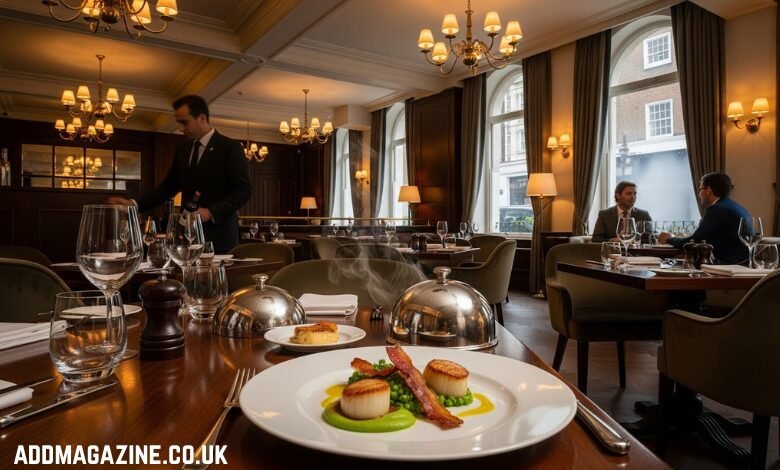
Travelling around the UK by its cuisine is a journey on its own. Whether it is the undulating Yorkshire hills to the rocky Cornwall shore, each offers different flavours and textures that delight the senses. To plan a vacation that revolves around local food, one needs to do more than choose a location. Careful planning means that each food and experience is a part of a memorable journey.
Selecting the Ideal Base
Selecting the appropriate accommodation is the key to a successful food-oriented trip. It is best to stay in the central areas where there is easy access to restaurants, markets, and attractions. Boutique hotels tend to provide custom experience and local expertise whilst larger hotels may have a recognised in-house restaurant. One of the ways to streamline this process is the use of platforms such as My Hotel Break, which provide a curated selection of hotels that would appeal to culinary enthusiasts.
Timing Your Visit
The experience can be enhanced by planning the dates. Some areas have a seasonal market, harvest festivals, or seafood weeks where local produce is at its best. Traveling at off-peak times can minimize the number of people, and one can enjoy closer contact with chefs and producers. Accessibility also depends on weather conditions especially in rural areas where roads are narrow or poorly maintained.
Crafting an Itinerary Around Flavours
It is necessary to design an itinerary to balance sightseeing and dining. Start the day off with a casual breakfast that puts the focus on local products, be it on freshly baked pastries, local cheeses, or local-made preserves. Field trips during lunch can be made to busy food halls or markets where small samples are taken and this serves as a build up to evening meals. Tasting sessions are incorporated with historical tours or scenic walks which complement every experience.
Booking Dining Experiences
Reservations at renowned restaurants will ensure that you do not miss out on the trip due to last-minute disappointments. Many well-known restaurants, in particular, those that serve regional cuisine, fill up quickly during the peak hours. Personal communication with chefs or employees at the restaurants could provide access to tasting menus or even behind-the-scenes experiences. Early planning is worthwhile since local bistros often contain some hidden gems which cannot be found on large review websites.
Engaging in Food Tours
Guided tours provide a rich experience of the local cuisine. Activities include walking tours along the medieval streets as well as boat tours that showcase seafood on the coast. Guides with expertise may offer some background information regarding the traditional cooking techniques, historical factors, and sourcing processes. Attending workshops or classes like bread making or chocolate making helps travellers to take a piece of the journey home.
Exploring Farmers’ Markets
Visiting farmers’ markets reveals the freshest ingredients while supporting local producers. Seasonal vegetables, cured meats, and handmade condiments give a snapshot of the region’s agricultural identity. Sampling directly from the stalls often leads to spontaneous discoveries, such as rare cheeses or exotic preserves. Markets also present opportunities to interact with passionate artisans, offering personal stories alongside their products.
Attending Local Food Events
A gastronomic trip is supplemented by food festivals, pop-up dinners, and tasting evenings. These events demonstrate creativity and innovation in local cuisine. Oyster, pie, or craft beverage festivals can offer some different insights that cannot be found in traditional restaurants. By reviewing the event calendars in advance, travellers will be able to schedule their visits, so that they coincide with the most interesting events. For those seeking unique culinary highlights, dishes like sirloin steak pasta (lövbiffspasta) can add a memorable twist to the experience.
Balancing Exploration and Relaxation
In the midst of a full food schedule, rest is essential. Between meals, parks, riverside walks, or even silent cafes will provide the opportunity to recharge between meals. Mindful pauses prevent sensory fatigue and allow a deeper appreciation of each flavour encountered. Flexibility in scheduling also provides spontaneous opportunities such as the seasonal fruit stand or street food pop-ups which can be enjoyed on the spur of the moment.
Capturing the Memories
Capturing every experience, be it in photography, journaling or tasting notes makes the journey more wholesome. Mementos can be a photograph of an artisanal work or a stall at the market, and notes concerning ingredients or techniques can be used to preserve knowledge that has been acquired. By sharing these thoughts with friends or fellow food lovers, one can expand the experience of the trip even after the trip is over.
A getaway centred on food in the UK promises both discovery and indulgence. Attentive planning across accommodation, dining, and events maximises enjoyment while minimising stress. By blending structured itineraries with the freedom to explore, travellers can savour every bite, sip, and aroma along the way. Thoughtful preparation transforms a simple trip into a rich, sensory adventure through Britain’s diverse culinary landscape. Popular food destinations can get quite busy, especially during the Bank Holidays in UK, so it is highly recommended to book your restaurants and stay in advance.