How Smartwatches Measure Blood Pressure
Smartwatches have become quite popular for keeping tabs on health, and blood pressure monitoring is one of their newer tricks. These devices typically don’t use the traditional inflatable cuff you see at the doctor’s office. Instead, they rely on sensors built right into the watch. These sensors often use a method called photoplethysmography (PPG), which shines light onto your skin and measures how much light is reflected back. The idea is that changes in blood flow under the skin can be detected this way. It’s a clever indirect approach, but it’s not quite the same as a direct measurement.
Another technology sometimes used involves analyzing the pulse wave. When your heart beats, it sends a wave through your arteries. The speed and characteristics of this wave can be related to your blood pressure. The smartwatch’s sensors pick up on these subtle signals. They work best when you’re still and relaxed, as movement can really throw off the readings. For anyone looking to track their blood pressure, understanding these basic measurement principles is key.
Key Technologies in Smartwatch Monitoring
When you look at smartwatches that measure blood pressure, you’ll often see terms like PPG sensors and AI integration. PPG sensors are the workhorses, using light to detect blood volume changes. Think of it like a tiny, sophisticated light show on your wrist that’s trying to figure out what’s happening with your blood flow. These sensors are also used for heart rate and blood oxygen monitoring, so they’re pretty versatile.
Beyond the sensors, artificial intelligence (AI) and machine learning play a big role. These smart algorithms help process the raw data from the sensors, making sense of the patterns and trying to predict your blood pressure. They learn from vast amounts of data to improve accuracy over time. Some advanced models might even use algorithms that consider your heart rate variability (HRV) to get a more complete picture of your cardiovascular state. This combination of hardware and software is what makes smartwatch blood pressure monitoring possible.
Limitations and Potential Risks
While convenient, smartwatch blood pressure monitors aren’t perfect. A significant limitation is accuracy. Many users report that the readings can differ from traditional cuff monitors. Some studies suggest that a noticeable percentage of people find their smartwatch numbers to be higher or lower than expected. This discrepancy can be concerning, especially if you’re relying on these numbers for important health decisions.
Another issue is measurement stability. Without regular calibration against a standard cuff monitor, the accuracy of a smartwatch can decrease over time. Some devices might need recalibration every few weeks or even more often. This need for frequent setup can be a hassle. Furthermore, certain health conditions, like irregular heartbeats, can make readings less reliable. It’s vital to use these devices as a supplementary tool, not a replacement for medical-grade equipment.
Smartwatches offer a convenient way to track blood pressure trends, but they come with limitations. Accuracy can vary, and regular calibration is often necessary.
Ensuring Accuracy With Your Smartwatch Blood Pressure Monitor
The Importance of Calibration
Smartwatches offer a convenient way to track blood pressure, but their accuracy hinges on regular calibration. Think of it like tuning a musical instrument; without it, the notes will be off. This process aligns the smartwatch’s readings with a trusted, traditional blood pressure cuff. Without proper calibration, the data you collect might not reflect your true blood pressure, leading to misunderstandings about your health.
Calibration isn’t a one-time setup. It’s a recurring task that keeps your device honest. Most manufacturers suggest calibrating your smartwatch every two to four weeks. However, some devices might need more frequent checks, especially if you notice significant shifts in your readings or if the device prompts you. Always follow the specific instructions provided by your smartwatch’s maker for the most reliable results.
Regular calibration is key to trusting the trends your smartwatch shows. It bridges the gap between convenience and medical-grade accuracy. By taking this step seriously, you ensure that the blood pressure data you gather over 30 days is as precise as possible, making it a more useful tool for monitoring your well-being.
Factors Affecting Measurement Stability
Several factors can influence the stability and accuracy of your smartwatch’s blood pressure readings. Movement is a big one; if you’re fidgeting or talking during a measurement, the sensors can get confused. It’s best to sit quietly for a few minutes before taking a reading and keep your arm still throughout the process. Your arm’s position also matters – try to keep it at heart level for the most consistent results.
How tightly you wear the watch can also play a role. If it’s too loose, the sensors might not make proper contact with your skin. If it’s too tight, it could affect blood flow and skew the readings. Finding that sweet spot, where the watch is snug but comfortable, is important. Also, consider external factors like skin temperature and hydration levels, which can subtly impact sensor performance.
Understanding these variables helps you troubleshoot inconsistent readings. It’s not always the device; sometimes, it’s the conditions under which the measurement was taken. Paying attention to these details can significantly improve the stability of your smartwatch blood pressure data.
User-Reported Accuracy Concerns
While smartwatches are improving, many users report concerns about their accuracy compared to traditional cuffs. Some find that readings fluctuate significantly, making it hard to establish a reliable baseline. This variability can lead to anxiety or a lack of confidence in the device’s output. It’s a common issue, especially with newer models or those that haven’t been calibrated recently.
Some users also mention that certain health conditions, like irregular heartbeats or very high blood pressure, can lead to less dependable results. The technology, while advanced, isn’t foolproof and may struggle with physiological variations. This is why many experts advise using smartwatch data for tracking trends rather than for making immediate medical decisions.
If you experience consistently odd or concerning readings, it’s always best to double-check with a standard blood pressure monitor. Don’t hesitate to discuss any accuracy concerns with your doctor. They can help interpret the data and advise whether the smartwatch readings are generally reliable for your specific situation or if further investigation is needed.
Optimizing Your Smartwatch Blood Pressure Monitoring Routine
Best Practices for Taking Readings
To get the most out of your smartwatch blood pressure monitor, consistency is key. Ensure the watch is snug, about two finger-widths above your wrist bone, and keep your arm steady at heart level during the measurement. This simple routine helps stabilize readings and makes your smartwatch blood pressure monitor data more reliable.
| Practice | Detail | |
| Preparation | Sit still and quiet for 5 minutes before taking a reading. | |
| Watch Placement | Snug fit, two finger-widths above wrist bone. | |
| Arm Position | Keep arm steady and at heart level during the measurement. | |
| Environment | Take readings in a quiet place, avoiding movement or talking. |
Following these steps can significantly improve the accuracy of your smartwatch readings, making them a more useful tool for tracking your health.
When to Calibrate Your Device
Smartwatches, even those designed for blood pressure monitoring, need regular calibration to maintain accuracy. Most devices recommend recalibration every two to four weeks. Some might prompt you more frequently, especially if they detect a significant drift in readings. Ignoring calibration can lead to inaccurate data, making your smartwatch blood pressure monitor less helpful for tracking trends.
Integrating Smartwatch Data with Traditional Monitors
While smartwatches offer convenience, they are best used in conjunction with traditional blood pressure monitors. Periodically compare your smartwatch readings with those from a cuff-based monitor. This comparison helps verify the smartwatch’s accuracy and identify any discrepancies. If your smartwatch readings consistently differ from your traditional monitor, it’s time to recalibrate or consult your doctor. This integrated approach ensures you have a more complete and trustworthy picture of your blood pressure health.
- Compare smartwatch readings with a traditional cuff monitor weekly.
- Note any significant differences and investigate potential causes.
- Discuss any persistent discrepancies with your healthcare provider.
Interpreting Your 30-Day Blood Pressure Trends
Tracking Daily Variations
Looking at your blood pressure readings over 30 days helps you see what’s normal for you. You’ll notice your blood pressure changes throughout the day. It might be higher in the morning and lower at night. Stress, exercise, and even what you eat can cause these daily shifts. Paying attention to these small changes is key to understanding your body’s patterns. Your smartwatch can help you spot these fluctuations easily.
Identifying Long-Term Patterns
Beyond daily ups and downs, a 30-day log reveals longer trends. Are your readings generally higher on weekdays than weekends? Do they creep up over the month? This is where your smartwatch really shines. It collects data consistently, making it easier to spot patterns that might be missed with occasional manual checks. This trend data is more telling than any single reading.
Communicating Trends to Your Doctor
When you visit your doctor, having a 30-day record from your smartwatch is incredibly useful. This helps them understand your typical blood pressure and how it behaves. You can point out specific days or periods where readings were unusual. This information helps your doctor make better decisions about your health and any necessary treatments. Remember, your smartwatch is a tool to help you and your doctor manage your health better.
Choosing the Right Smartwatch Blood Pressure Monitor
Key Features to Look For
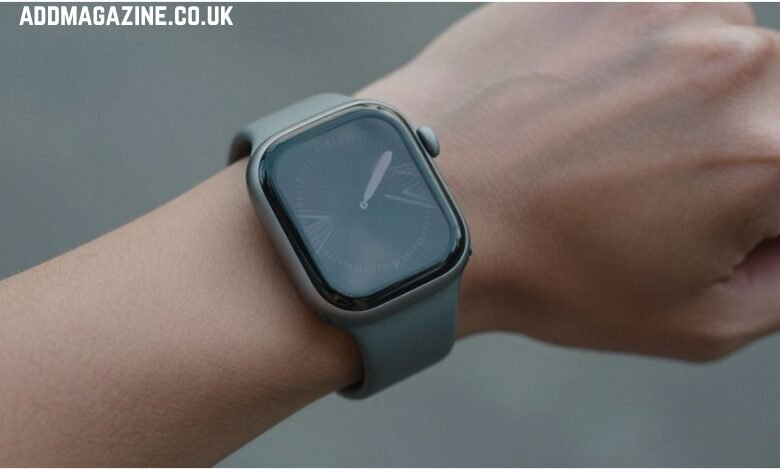
When picking out a smartwatch blood pressure monitor, think about what really matters. Accuracy is number one, of course. You want a device that gives you readings you can trust, especially if you’re tracking trends over 30 days. Look for models that mention clinical validation or FDA clearance, though these are rarer and often pricier. Beyond accuracy, consider how comfortable the watch is for all-day wear. Since you’ll be wearing it constantly, a good fit and comfortable strap are important. Also, check the battery life; a watch that dies halfway through the day isn’t much help for continuous monitoring.
Other features can make a big difference too. Connectivity is key – you’ll want it to sync easily with your phone and health apps. This makes it simple to store and review your data. Some watches offer extra health tracking like heart rate, sleep, or ECG, which can provide a more complete picture of your well-being. Think about the display and user interface; is it easy to read and navigate? A complicated setup or confusing menus can be a real hassle.
Don’t forget to check if the smartwatch blood pressure monitor requires frequent recalibration with a traditional cuff. This is a common requirement and can affect how convenient the device is for daily use. Some need it every few hours, others every few weeks. Understand this process before you buy.
Considering Device Compatibility and Brand Reputation
Compatibility is a big deal. Make sure the smartwatch works with your smartphone’s operating system, whether it’s iOS or Android. You’ll want it to play nicely with your existing health apps too. Some brands have their own dedicated apps, while others integrate with popular platforms like Apple Health or Google Fit. Check reviews for any known issues with syncing or app stability. A brand’s reputation matters too. Established companies with a history in health tech might offer more reliable devices and better customer support. Look for brands that have a track record of producing accurate health monitoring tools.
It’s also worth considering how long the brand has been making these types of devices. Newer entrants might have innovative features, but older, more experienced brands may have ironed out more kinks. Researching user reviews and expert opinions can give you a good sense of a brand’s reliability and the overall user experience. Remember, a smartwatch blood pressure monitor is a health tool, so choosing a reputable brand can provide peace of mind.
Understanding Price and User Reviews
Cheaper models might seem appealing, but they often compromise on accuracy or features. On the flip side, the most expensive options aren’t always the best for everyone. Try to find a balance that fits your budget while still meeting your needs for accuracy and functionality. Think about the long-term value – a slightly more expensive watch that’s reliable and accurate might save you trouble down the line.
User reviews are incredibly helpful. They offer real-world insights into how a smartwatch blood pressure monitor performs day-to-day. Pay attention to comments about accuracy, battery life, comfort, and ease of use. Look for patterns in reviews – if many users report the same issue, it’s likely a genuine problem. Also, consider reviews from people who have similar health goals or concerns as you. Reading a variety of user reviews can help you make a more informed decision about which smartwatch blood pressure monitor is right for you.
Navigating Smartwatch Blood Pressure Monitor Challenges
Addressing User Experience Issues
Smartwatches offer a convenient way to track blood pressure, but users sometimes run into snags. Some find the devices uncomfortable, even with adjustable straps. Others struggle with Bluetooth connections or sending data to their phones. For older adults, the technology itself can feel a bit confusing. These user experience issues can make consistent tracking a chore.
It’s important to remember that not all smartwatches are created equal when it comes to ease of use. Some require frequent recalibration, which can be a hassle. If the setup process is too complex, people might skip it, leading to less reliable readings. This is a common complaint, and it impacts how much people trust their smartwatch blood pressure monitor.
Understanding Technology Limitations
While smartwatch technology has improved, it still has limits. Most smartwatches use indirect methods to measure blood pressure, which aren’t always as precise as traditional cuffs. Sensors can be affected by movement, body temperature, and even certain health conditions like irregular heartbeats. This means the readings might not always be spot-on.
These devices are best for spotting trends over time, not for making critical medical decisions. For instance, a smartwatch might show a general upward trend in blood pressure, but the exact numbers could be off. This is a key limitation to keep in mind when relying on your smartwatch blood pressure monitor for health insights.
When Smartwatch Readings May Be Unreliable
There are specific situations where smartwatch blood pressure readings can be particularly unreliable. If the device isn’t properly calibrated, or if the user moves during the measurement, the results can be skewed. Factors like high blood pressure itself can sometimes make smartwatch measurements less accurate. About 20% of people may find these devices don’t work well for them due to these technological limits.
Always cross-reference your smartwatch readings with a traditional blood pressure monitor, especially if you notice significant changes or have concerns. This helps confirm the accuracy of the data you’re collecting.
Here’s a look at common issues that can affect smartwatch accuracy:
- Movement: Any physical activity during a reading can distort results.
- Fit: A strap that’s too loose or too tight can impact sensor contact.
- Calibration: Skipping regular calibration with a traditional monitor is a major cause of inaccuracy.
- Health Conditions: Certain arrhythmias or valve issues can make readings less dependable.
Wrapping Up Your 30-Day Blood Pressure Tracking
After a month of tracking your blood pressure with a smartwatch, it’s clear these devices offer a convenient way to keep an eye on your numbers. They make it simple to spot trends and share that information with your doctor. Accuracy can vary, and regular calibration is a must to get the best readings. Think of your smartwatch as a helpful tool for daily monitoring and trend spotting, but always consult with your healthcare provider for any serious health decisions or concerns. Using it alongside a standard monitor and professional medical advice will give you the most complete picture of your heart health.