
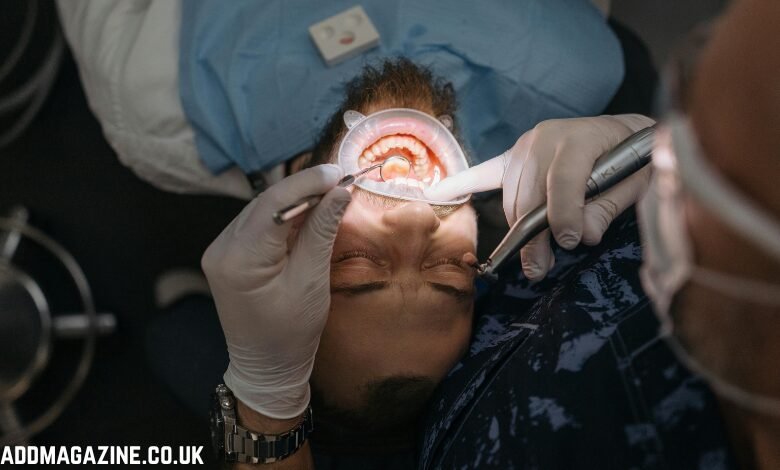
Modern dentistry is not just about fixing problems. It is also about doing so in a way that protects your smile, confidence, and long-term oral health. One of the best examples of this is white fillings, also known as composite fillings. These have become the preferred choice for many patients who want a natural-looking result without compromising on strength or function.
This blog explains what white fillings are, how they improve both the appearance and health of your teeth, and why they are now widely used in place of traditional metal fillings.
What Are White Fillings?
White fillings are made from a composite resin that blends closely with the natural colour of your teeth. They are used to repair teeth affected by decay, minor fractures, or wear.
Unlike older silver amalgam fillings, white fillings are designed to look discreet. Once placed, they are shaped and polished to match the surrounding tooth, making them difficult to spot when you smile or speak.
They can be used on front teeth, back teeth, and even to replace existing metal fillings.
How White Fillings Improve the Look of Your Smile
One of the main reasons people choose white fillings is aesthetics. Metal fillings are clearly visible, especially when placed in front teeth or when you laugh or talk.
White fillings improve your smile by:
- Matching your natural tooth colour
- Blending seamlessly with surrounding teeth
- Avoiding dark patches in the mouth
- Maintaining a more youthful appearance
Because they are custom shaded, white fillings help restore confidence as well as function. Many patients find they smile more freely after replacing visible metal fillings.
A Natural Result That Lasts
White fillings are carefully layered and shaped to recreate the natural contours of the tooth. This attention to detail helps ensure the tooth looks and feels natural.
When properly placed and cared for, white fillings can last for many years. Advances in dental materials mean modern composite fillings are stronger and more durable than ever before.
This combination of appearance and performance makes them a popular choice for cosmetic and restorative dentistry.
Supporting Better Oral Health
White fillings do more than improve how your teeth look. They also support better oral health.
Composite fillings bond directly to the tooth structure. This helps strengthen the tooth and reduces the risk of cracks or fractures over time. In contrast, metal fillings do not bond in the same way and can expand or contract with temperature changes.
By reinforcing the tooth, white fillings help preserve more of the natural structure, which is always a priority in modern dentistry.
Less Tooth Removal Compared to Metal Fillings
When placing metal fillings, dentists often need to remove more healthy tooth tissue to create a shape that holds the filling in place.
White fillings require less removal of healthy enamel. Because the material bonds directly to the tooth, it can be placed more conservatively.
This approach helps keep your teeth stronger for longer and reduces the likelihood of further treatment in the future.
White Fillings and Tooth Sensitivity
Many patients worry about sensitivity after dental treatment. White fillings are often associated with less post-treatment sensitivity compared to metal fillings.
Because they do not conduct heat or cold as readily, white fillings tend to be more comfortable, particularly for people who are sensitive to temperature changes.
While some mild sensitivity is normal after any filling, it usually settles quickly.
Safe and Mercury-Free
White fillings do not contain mercury, which is present in traditional amalgam fillings. While amalgam is considered safe for most people, many patients prefer a mercury-free option.
According to the NHS, composite fillings are a widely accepted and safe alternative, especially for visible teeth and patients concerned about appearance.
This makes white fillings a reassuring choice for those who want both safety and aesthetics.
White Fillings for Front and Back Teeth
White fillings are versatile and suitable for most areas of the mouth.
They are commonly used for:
- Front teeth where appearance matters most
- Back teeth where strength is still required
- Small to medium cavities
- Replacing old metal fillings
Dentists carefully assess bite pressure and tooth position to ensure the filling is suitable for the area being treated.
Replacing Old Metal Fillings
Many people choose to replace existing silver fillings with white ones for cosmetic reasons. Over time, metal fillings can darken teeth and become more noticeable.
Replacing old fillings can:
- Brighten your smile
- Reduce the risk of cracks
- Improve comfort
- Update older dental work
A dentist will assess whether replacement is appropriate and ensure the tooth remains healthy throughout the process.
White Fillings and Long-Term Dental Care
White fillings fit well into a preventative approach to dentistry. By preserving tooth structure and sealing the tooth effectively, they help prevent further decay.
Regular dental check-ups allow dentists to monitor fillings and ensure they remain intact. Good oral hygiene also plays a key role in maintaining results.
Guidance from the British Dental Association highlights the importance of conservative treatments that protect natural teeth wherever possible.
How the White Filling Procedure Works
The process of placing a white filling is straightforward.
First, the dentist removes decay or damaged tissue. The composite material is applied in layers and hardened using a special light. Finally, the filling is shaped and polished to match the natural tooth.
Most white fillings can be completed in a single visit, making the treatment convenient as well as effective.
Are White Fillings Right for Everyone?
White fillings are suitable for most patients, but each case is different. Factors such as bite pressure, tooth location, and the size of the cavity are all considered.
A dentist will always assess whether white fillings are the right choice for each individual tooth. At The Dental Revolution in Rugby, treatment is planned carefully to protect natural tooth structure while achieving a discreet, natural finish.
An open discussion ensures you make an informed decision about your dental care.
Confidence Through a Healthier Smile
A healthy smile often leads to greater confidence. When teeth look natural and feel strong, people tend to worry less about their appearance.
White fillings help restore teeth in a way that supports both function and confidence. This combination is one of the reasons they are now so widely used in modern dental practices.
Final Thoughts
White fillings offer a practical and attractive solution for repairing teeth affected by decay or damage. They improve the appearance of your smile while also supporting long-term oral health.
By preserving natural tooth structure, reducing sensitivity, and blending seamlessly with your teeth, white fillings represent the best of modern dentistry. For patients who want a healthy smile that also looks good, white fillings are a clear and reliable choice.