Contrary to what some people might think, you don’t have to wait until your old boiler has completely broken down to start looking at new ones. Knowing when to do it goes a bit deeper than that.
It’s a decision that affects how efficiently your home stays warm, how much you spend on bills, and how comfortable your daily life feels. A well-installed system not only brings consistent heat but also adds long-term value to your property.
Installing a home boiler system requires careful planning, especially if you want lasting performance and reliability. Follow along to understand the essential things to know before installing a home boiler system so you can make the best choice for your home.
Evaluate Your Heating Needs Before Installation
Every home has unique heating requirements, so your boiler must be matched to your property. The right choice depends on the size of your home, insulation levels, and how much hot water your household uses daily. A compact flat might need a small combi boiler, while larger properties with several bathrooms often require a system or conventional boiler for consistent heat and water flow.
If your current boiler struggles to maintain heat or breaks down frequently, it’s a definite sign that you need to upgrade. But remember, choosing the right setup early prevents energy waste and saves money in the long run. With an iHeat boiler installation, know that you’ll always receive professional advice on what system works best for your home’s heating demands.
Choose the Right Type of Boiler
Understanding the main boiler types helps you make an informed decision. So let’s look at some of the most common options on the market.
- Combi boilers are space-saving and provide instant hot water. They are ideal for smaller homes.
- System boilers include a cylinder that stores hot water, making them suitable for larger households that need water from multiple taps at once.
- Conventional boilers, often found in older homes, use both a cylinder and tank and remain a good option where existing pipework suits that setup.
- Back boilers are getting rarer now, as they sit behind a working fireplace and spread that heat around the house. They are still an option, if your house can support one.
Think about your property layout, water pressure, and available space before deciding. Getting the right type ensures your system delivers steady warmth and water supply without straining energy use.
Why Efficiency Matters in a Home Boiler System
Boiler efficiency will have a major impact on your energy bills and environmental footprint. A modern condensing boiler can convert over 90% of fuel into heat, which means less waste and more savings. High-efficiency models might cost more at first, but they quickly pay off with their lower running costs.
Always check for an A-rated energy label and make sure your chosen boiler meets the latest UK standards for performance and safety. Pairing your system with smart heating controls or thermostats can also help you monitor energy use more effectively.
Professional Installation
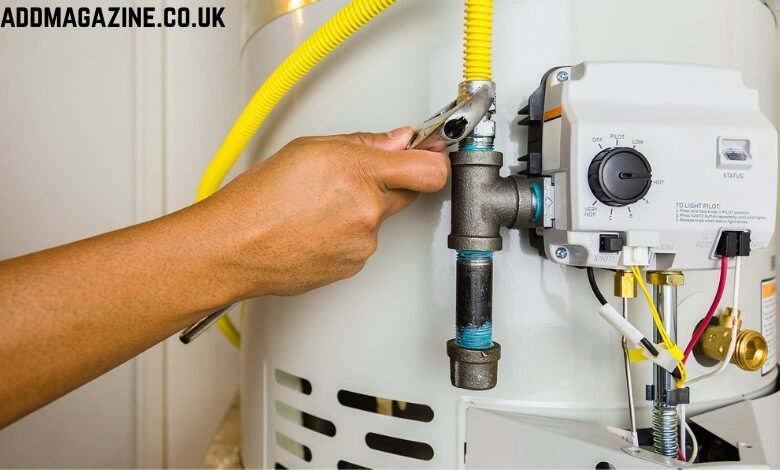
Installing a boiler safely requires skill and certification. Only a Gas Safe registered engineer should handle the job, as this guarantees all gas and pressure systems are fitted correctly. Proper installation includes checking for leaks, balancing the heating system, and testing efficiency to confirm everything works as intended.
A professional setup also includes system flushing to remove debris and ensure smooth operation. This process helps prevent long-term damage and maximises your boiler’s lifespan. Getting expert help ensures your new boiler runs safely and efficiently from day one.
Don’t Neglect Boiler Aftercare
Once your system is in place, regular maintenance is key to keeping it efficient. Book an annual boiler service with a qualified engineer to check all parts and maintain warranty coverage. Regular servicing also detects small issues before they turn into costly breakdowns.
The Savings Are in the Details
You should occasionally check your boiler pressure and bleed your radiators to keep heat distribution even as well. In addition, paying attention to unusual noises or fluctuating temperatures can help you act early and avoid larger problems later.
Simple care habits like these can extend your boiler’s life and keep your home warm year-round.
Final Notes
Installing a new home boiler system is an investment that rewards you with comfort, safety, and energy savings. By understanding your home’s needs, focusing on efficiency, and ensuring a professional installation, you’ll enjoy reliable heating that lasts.
A well-chosen system keeps your home cosy through winter and helps you save more in the long run, making it one of the smartest upgrades you can make for your property.