You don’t usually think about invoices and supply chains when you hear the word aesthetics. You think glow. Smoothness. Maybe that slightly frozen forehead you swear you won’t judge but… you do. Still, behind every clean clinic room and softly lit before-and-after photo, there’s a business humming along. Numbers. Margins. Decisions that aren’t always pretty.
The first time you realize this is usually when you overhear someone whispering about where they buy dysport wholesale, like it’s a trade secret and not a perfectly normal procurement decision. And that’s when it clicks. Oh. This is not just beauty. This is logistics, risk, pricing, timing, and people trying to keep the lights on.
Let’s step inside that world. Not the glossy version. The real one. The slightly awkward, occasionally stressful, sometimes exciting business of modern aesthetics.
It’s Not Just a Clinic. It’s a Small (Very Fragile) Business
From the outside, it looks calm. Minimalist furniture. Neutral colors. Someone offering you water you won’t drink. Inside? Your head is doing math.
Rent is high. Equipment is expensive. Products expire (which still feels unfair, honestly). Staff expect paychecks. And patients—clients—customers?—they expect perfection. Every time.
You’re balancing medical ethics with market pressure. A dermatologist once told Harvard Business Review that “aesthetic practices sit at the intersection of healthcare and retail, which creates unique ethical and financial tension.” And yeah. You feel that tension. Daily.
Some days you’re a clinician. Some days a marketer. Some days you’re basically an accountant who happens to know facial anatomy.
The Supply Side: Products, Trust, and Quiet Panic
Let’s talk injectables for a second. Not in a dramatic way. Just… practically.
You don’t just order stuff. You vet suppliers. You compare pricing. You worry about authenticity. According to the U.S. Food and Drug Administration, counterfeit aesthetic injectables are a growing global issue, often entering the market through unauthorized distributors. That sentence alone can ruin your sleep.
So when people casually say “just switch suppliers,” you laugh. Then sigh. Then maybe laugh again.
Buying wholesale saves money, sure. But it also adds responsibility. Storage conditions. Batch tracking. Expiration dates. One mistake and suddenly it’s not a business problem, it’s a legal one.
I remember hearing a clinic owner say, “The box arriving on time feels better than a five-star review.” At first I thought she was joking. She wasn’t.
Marketing Without Feeling… Gross
This part is tricky. You need visibility. You need clients. But you don’t want to sound like a late-night infomercial promising miracles.
Instagram helps. Google helps. Word of mouth helps the most. But every platform nudges you toward exaggeration. Bigger lips. Sharper jawlines. Younger. Younger. Younger.
The American Society for Dermatologic Surgery has warned that overly filtered marketing can distort patient expectations and harm trust. Which makes sense. You don’t want someone walking in expecting to look like a face-tuned avatar.
So you end up walking this weird line. Educational, but appealing. Honest, but confident. Never desperate. Even when bookings are slow.
Quick reality check list:
- Before-and-after photos (with consent, always)
- Educational reels instead of hard sells
- Realistic timelines, not instant-magic promises
- Saying “no” to unsuitable treatments (harder than it sounds)
Some clinics do this well. Some… not so much.
Pricing: The Awkward Conversation No One Trains You For
Here’s the thing. People want transparency. They also want discounts. And they want the best results. Immediately.
You’re pricing not just product, but expertise. Time. Liability. Continuing education. Insurance. Overhead. All the invisible stuff.
A 2023 McKinsey Health Institute report noted that consumer trust in wellness services correlates strongly with perceived fairness in pricing—not just low prices, but understandable ones. So you explain. Again. And again.
Sometimes you still get, “But my friend paid less.”
Okay. Well. Your friend went somewhere else. And that’s fine. Probably.
Staffing: Talent Is Everything
Good injectors are not easy to find. Neither are front-desk staff who can juggle phones, payments, and anxious clients without losing their minds.
Training costs money. Losing trained staff costs more. Burnout is real. The Journal of Aesthetic Nursing has published multiple studies highlighting emotional fatigue among aesthetic practitioners due to high client expectations and perfectionism.
You see it. The tiny pauses. The forced smiles at 7 p.m. The way people sit in their cars for a minute before driving home.
Retention becomes a strategy. Not just salaries, but schedules. Respect. Letting people breathe.
Trends Move Faster Than You’re Comfortable With
One month it’s “natural.” The next it’s “snatched but subtle.” Skin boosters. Bio-stimulators. Combination treatments with names that sound like startups.
You’re constantly learning. Watching webinars. Reading studies. Asking peers, “Have you tried this yet?” Sometimes you feel ahead. Sometimes behind. Usually both.
The Aesthetic Surgery Journal recently stated, “The pace of innovation in minimally invasive aesthetics now outstrips traditional training cycles.” Which is a polite way of saying: good luck keeping up.
Pro Tip: Slow Growth Beats Flashy Expansion
If you’re scaling, do it in layers. One new service at a time. One new hire at a time. Rapid expansion looks impressive until something cracks—and something always does.
Clients Are People. Not Projects.
This sounds obvious. It isn’t.
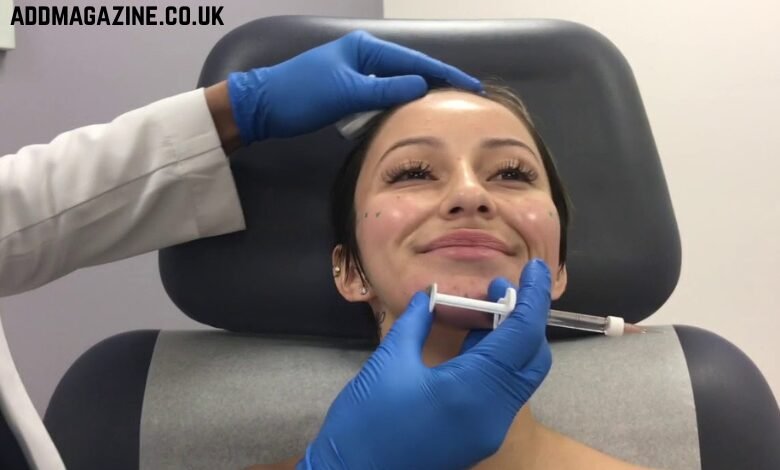
You see people at vulnerable moments. Breakups. Career shifts. Aging parents. A mirror they suddenly don’t recognize. And you’re holding a syringe.
You learn to listen. To pause. To say, “Let’s wait.” Even when waiting costs you money.
That’s the part no spreadsheet captures.
Pro Tip: Build a Supplier Relationship, Not Just a Cart
Reliable suppliers save you stress, not just cash. Ask questions. Verify credentials. A good supplier answers fast when things go wrong. And they will go wrong.
The Business Is Emotional
Some days feel great. Full books. Happy clients. Smooth operations.
Other days you replay one consultation in your head all night. Wonder if you said the right thing. If you could’ve done better. If this industry is even sustainable long term…
Probably. Maybe. With adjustments.
Modern aesthetics isn’t shallow. It’s layered. Financial. Ethical. Human. And messy in ways glossy magazines don’t show.
Final Thoughts
If you strip away the branding and buzzwords, the business of modern aesthetics is about trust. Between supplier and clinic. Practitioner and patient. Expectation and reality.
You’re not selling beauty. You’re managing perception, confidence, risk, and care—all at once. Some days you nail it. Some days you don’t.
And that’s okay. This industry isn’t built on perfection. It’s built on learning. Adjusting. Showing up again tomorrow.
Well… most days.