
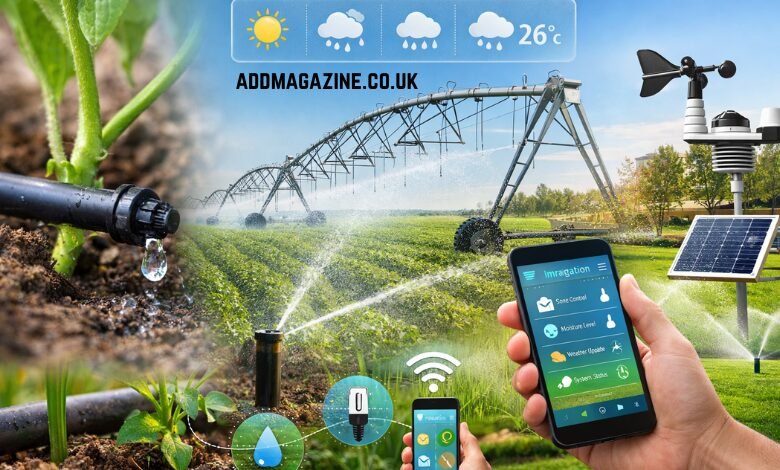
Water, as a natural resource, is one of the most precious elements on Earth. Its importance spans beyond consumption for drinking; it is critical for agriculture, industry, and everyday life. Efficient water management is increasingly vital in today’s world due to factors such as climate change, population growth, and urbanization. Traditional irrigation systems, while effective, often waste significant amounts of water, leading to environmental degradation and increased costs for farmers and homeowners alike. The introduction of advanced irrigation systems, referred to as “irri sys,” has revolutionized how we use and manage water.
What is Irri Sys?
“Irri sys” refers to modern irrigation systems designed to optimize the delivery of water to plants, landscapes, and agricultural fields. These systems leverage technology to ensure that water is distributed efficiently, with minimal waste, and according to the specific needs of the plants or crops being watered. Unlike traditional methods, which often rely on hoses or sprinklers, irri sys integrates various technologies such as sensors, automated controls, and data analytics to provide precise watering solutions.
There are several types of irrigation systems under the irri sys category, each tailored to specific requirements. These methods include drip irrigation, sprinkler systems, surface irrigation, and the most advanced systems that combine sensors with weather forecasts to adjust watering schedules automatically. By employing such systems, water wastage is significantly reduced, and water conservation becomes a priority.
The Importance of Water Conservation in Today’s World
Agriculture, which accounts for about 70% of the world’s freshwater usage, has long been a major consumer of water resources. However, traditional irrigation methods often lead to substantial water wastage. Runoff, evaporation, and overwatering are common problems that affect crop yields and water usage. With the growing challenges posed by water scarcity, it is essential to find more efficient ways to manage water, particularly in farming, gardening, and landscaping.
In urban areas, homeowners and cities alike face the challenge of maintaining green spaces while conserving water. Lawns, gardens, and parks often require a substantial amount of water, but modern irrigation systems help keep these spaces healthy without overusing resources.
Different Types of Irrigation Systems (Irri Sys)
1. Drip Irrigation:
Drip irrigation stands out as one of the most water-efficient techniques for nourishing plants. It uses thin tubes to deliver water directly to the base of each plant through small emitters. This technique minimizes water loss due to evaporation and runoff, making it ideal for water-scarce regions. It also keeps the soil moist while preventing the foliage from getting wet, which reduces the risk of plant diseases. Drip irrigation systems are commonly used in agricultural fields, gardens, and vineyards, where it’s crucial to ensure that water goes directly to the plant’s root system.
2. Sprinkler Systems:
Sprinklers are designed to cover larger areas evenly, simulating natural rainfall. They are particularly useful for lawns, gardens, and large fields. Modern sprinklers can rotate or oscillate, allowing them to cover more ground effectively. Automated sprinkler systems can be programmed to run at specific times of the day, such as early morning or evening, to minimize evaporation and ensure that plants absorb as much water as possible. The key to effective sprinkler use lies in timing and adjustment. Overwatering or running sprinklers during the hottest part of the day can lead to significant water loss.
3. Surface Irrigation:
Surface irrigation is one of the oldest methods, where water is allowed to flow across fields through furrows, basins, or channels. This technique is often used in agricultural fields, especially those with level terrain. However, surface irrigation requires careful planning and management to prevent water wastage. While it remains an effective choice for certain crops, it is not as efficient as other modern systems.
4. Automated and Smart Irrigation Systems:
These are the most advanced forms of irri sys. Automated systems combine various technologies such as soil moisture sensors, weather forecasts, and automated controllers to determine when and how much water to apply to a specific area. By using real-time data, these systems make watering decisions based on the specific needs of the plants, taking into account factors like soil moisture levels, humidity, temperature, and precipitation forecasts. Smart irrigation systems can be controlled remotely via smartphone apps, providing users with the ability to monitor and adjust their systems anytime and anywhere. These systems help conserve water, reduce operational costs, and improve plant health.
Key Components of an Irri Sys
An irri sys integrates several components to create a complete and efficient watering network. These include:
- Water Source:
Whether it’s groundwater, surface water, or municipal supply, the water source is the first element of any irrigation system. A consistent and reliable water source is necessary to ensure that the system functions properly. - Pipes and Tubes:
These serve as the channels through which water is distributed throughout the system. The size and material of the pipes depend on the type and size of the irrigation system, whether it’s for a small garden or a large farm. - Emitters and Sprinklers:
Emitters, such as those used in drip irrigation, are responsible for releasing water at a controlled rate. Sprinklers, on the other hand, distribute water in a spray pattern, covering larger areas. - Control Valves:
Control valves regulate the flow of water to different parts of the system. These can be manual or automated, with automated valves being an integral part of smart irrigation systems. - Sensors:
In contemporary irrigation setups, sensors are essential for accurate water management and optimizing plant care. Soil moisture sensors detect the moisture content of the soil, while weather sensors provide information on temperature, humidity, and precipitation. This data is used to optimize watering schedules and reduce waste.
Benefits of Irri Sys for Agriculture, Landscaping, and Urban Spaces
The adoption of modern irrigation systems offers numerous advantages:
- Water Conservation:
One of the most significant benefits of irri sys is the reduction in water wastage. By delivering water directly to the plant’s root system or controlling the timing of watering, these systems ensure that water is used efficiently. - Cost Efficiency:
While the initial investment in an irri sys may be higher than traditional irrigation systems, the long-term savings in water and operational costs make it a cost-effective solution. Automated systems reduce labor costs, while the efficient use of water lowers utility bills. - Improved Crop Yields:
By providing plants with consistent and precise watering, irri sys promotes healthier growth and higher yields. This is particularly important for crops that are sensitive to water stress. - Environmental Impact:
Water is a finite resource, and wasting it has a negative impact on the environment. Irri sys helps reduce the environmental footprint of irrigation by conserving water and preventing the overuse of natural resources. - Convenience:
Many modern irrigation systems can be controlled remotely, allowing users to monitor and adjust settings from anywhere. This provides greater flexibility and convenience for homeowners, farmers, and city managers.
Challenges and Considerations
While the benefits of irri sys are clear, there are some challenges to consider:
- Initial Setup Costs:
The initial cost of installing modern irrigation systems can be high, particularly for large-scale applications. Nevertheless, the long-term benefits typically surpass the initial costs, making it a worthwhile investment over time. - Maintenance:
Like any technological system, irri sys requires regular maintenance to ensure optimal performance. This includes checking for clogged emitters, ensuring sensors are functioning properly, and cleaning pipes and valves. - Technical Complexity:
Automated and smart irrigation systems may require some level of technical knowledge to set up and operate. While smartphone apps make it easier, users must still understand the basic functionality of the system. - Power Supply:
Some advanced irrigation systems rely on electrical power to operate sensors, controllers, and valves. In regions with unreliable power, this can be a limitation.
The Future of Irri Sys
Innovation in irrigation technology is ongoing, and several exciting developments are on the horizon:
- Solar-Powered Systems:
Solar-powered irrigation systems offer a sustainable solution for regions with limited access to electricity. These systems can be powered by solar panels, making them ideal for remote areas or farms without a reliable power grid. - Artificial Intelligence and Machine Learning:
As AI and machine learning technologies continue to evolve, they could play a significant role in optimizing irrigation systems. AI-powered systems could analyze data from various sensors and make real-time decisions to optimize water use based on changing weather patterns and soil conditions. - Water Recycling and Reuse:
Water recycling is another promising development. Advanced irrigation systems could be designed to incorporate greywater or rainwater harvesting, further reducing reliance on freshwater sources.
Exploring the Future of Irrigation Systems
As we face a future marked by climate change, population growth, and resource scarcity, irrigation systems like irri sys will continue to evolve. Technological advancements, coupled with an increased emphasis on sustainability, are driving the future of water management. The key trends that will shape the future of irrigation systems include further integration with the Internet of Things (IoT), the use of real-time data analytics, and an increasing focus on sustainability.
Integration of the Internet of Things (IoT) with Irri Sys
The IoT revolution has already begun to influence many industries, and irrigation is no exception. With IoT, smart devices embedded in irrigation systems can transmit real-time data back to a central hub. These tools may involve soil moisture detectors, climate monitoring stations, and water flow regulators.
By connecting all components of the irrigation system, IoT enables more precise and coordinated watering. For example, sensors embedded in the soil can monitor the moisture content and send that information to the central controller, which then adjusts the flow of water accordingly. This dynamic system allows for more targeted watering and reduces the risk of over- or under-watering. The system can also track weather patterns and adjust watering schedules based on forecasts, ensuring that plants are not watered during rainy periods.
Data Analytics and Predictive Technology
Data-driven technologies, such as predictive analytics, are revolutionizing how we approach irrigation. By collecting large amounts of data from sensors, weather forecasts, and historical irrigation patterns, predictive models can forecast future irrigation needs. This predictive approach ensures that water is used at optimal times and amounts, based on not just current conditions but future patterns as well.
For example, predictive algorithms can anticipate plant water needs several days in advance, taking into account environmental factors like temperature and humidity. By predicting these needs, irrigation schedules can be adjusted before any potential water shortages or crop stress occurs. This level of foresight will become increasingly important as water availability continues to fluctuate due to climate variability.
Additionally, analytics can help optimize the efficiency of water use across large agricultural operations. It can help farmers make informed decisions about when and where to apply water, ultimately reducing operational costs and boosting crop yields.
Sustainability and Water Recycling in Irri Sys
Water conservation is a top priority globally, and advanced irrigation systems can play a crucial role in promoting sustainable practices. One of the most promising developments in the future of irrigation is the incorporation of water recycling and reuse into irrigation systems.
Rainwater Harvesting:
Many regions facing water scarcity are turning to rainwater harvesting as an alternative water source. Smart irrigation systems can be integrated with rainwater harvesting setups to automatically switch to stored rainwater when the main water supply is limited. This solution not only conserves freshwater but also reduces the overall cost of irrigation.
Greywater Systems:
Another innovative step toward sustainable irrigation is the use of greywater systems. Greywater, which is wastewater from sources like sinks, showers, and laundry, can be treated and repurposed for irrigation. This significantly reduces the demand for fresh water in both urban and rural settings. The integration of greywater systems into irri sys setups ensures that even areas with limited freshwater access can maintain their green spaces and crops.
Recycled Irrigation Water:
Some innovative irrigation systems are being developed to capture and reuse water from agricultural runoff, wastewater treatment plants, or industrial processes. By filtering and treating this water, it can be safely used for irrigation purposes. This method not only conserves water but also reduces the environmental impact of wastewater disposal.
Automation and Remote Monitoring
As technology advances, the ability to control and monitor irrigation systems remotely will continue to improve. The convenience of remotely adjusting irrigation settings through smartphones, tablets, or computers is already available in many modern systems. This capability allows users to monitor soil moisture, weather forecasts, and water usage in real time from virtually anywhere in the world.
Furthermore, automation will play a bigger role in the future of irrigation. Fully automated systems, equipped with soil moisture sensors, climate monitoring devices, and water flow controllers, will eliminate the need for manual intervention in most cases. These systems will not only make watering more efficient but also reduce the labor and energy required to manage irrigation.
Automated irrigation also makes it possible to implement more advanced scheduling features. For instance, systems can automatically adjust water usage based on the time of day, season, and specific needs of different plant types. This ensures that plants receive the right amount of water at the right time, maximizing their health and growth.
Affordable Solutions for Small-Scale Users
While large-scale agricultural operations are often the main beneficiaries of advanced irrigation technologies, innovations are also making these systems more affordable and accessible to smaller users. Home gardeners, small farms, and even city parks can benefit from modern irrigation systems without breaking the bank.
DIY irrigation kits, affordable drip irrigation setups, and user-friendly smart controllers are making it easier for individuals to install and manage irrigation systems on their own. Many companies are also offering subscription-based services for urban gardens, allowing users to access state-of-the-art irrigation technology at a fraction of the cost of a full installation. These developments make irri sys solutions accessible to a broader range of users, empowering homeowners and small-scale farmers to conserve water and optimize plant health.
Education and Awareness for Wider Adoption
As more individuals and businesses become aware of the benefits of irri sys, education and training will play a crucial role in encouraging widespread adoption. Farmers, city planners, and homeowners need to understand the potential of modern irrigation systems to make informed decisions about water management.
Organizations and governments can support this education by offering workshops, incentives, and subsidies for those willing to install and maintain advanced irrigation systems. Educational programs could also help users better understand the intricacies of water use and conservation, fostering more sustainable practices at all levels.
Challenges to Overcome
While the benefits of modern irrigation systems are clear, there are still challenges to overcome. Some of the main barriers to the adoption of irri sys include the high initial installation cost, the need for technical expertise, and the requirement for ongoing maintenance. Despite these obstacles, the long-term benefits of water conservation, increased crop yields, and reduced costs make the investment worthwhile for many.
Governments, agricultural organizations, and technology companies can work together to help overcome these challenges by offering incentives, subsidies, and affordable financing options to make irri sys more accessible to farmers, homeowners, and municipalities.
Conclusion
Irrigation systems, or irri sys, are changing the way we manage water. From drip irrigation to automated smart systems, these technologies are helping conserve water, improve crop yields, and protect the environment. With water scarcity becoming an increasingly urgent issue, adopting modern irrigation solutions is essential for ensuring a sustainable future. Whether you are a farmer, a gardener, or a city planner, embracing irri sys can significantly improve water efficiency and promote responsible water use. As technology continues to advance, we can expect even more innovations that will make irrigation systems even more efficient, sustainable, and accessible.