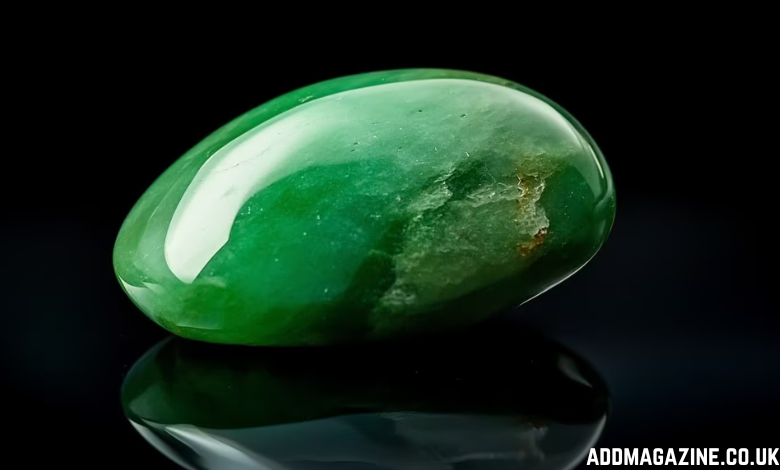
Jadeitový kameň, commonly called jade, is a mineral that has captured human interest for thousands of years. Unlike other stones, jade is valued not only for its appearance but also for its historical, cultural, and personal significance. Its smooth texture, solid weight, and cooling touch make it distinctive.
Ancient Roots of Jade
Evidence shows that humans have used jade for over 7,000 years. In East Asia, particularly in China, jade was considered a stone of virtue. It was carved into small ritual objects, personal ornaments, and burial items. Ancient Chinese society believed that jade could protect the wearer and maintain moral integrity. Tombs of emperors and nobles often contained jade artifacts, intended to safeguard the soul in the afterlife.
In Central America, civilizations such as the Mayans and Aztecs also placed high value on jade. They carved it into ceremonial masks, amulets, and tools used in religious rituals. For these cultures, jade symbolized life, fertility, and spiritual power. Its presence in temples and royal settings reinforced its importance.
Europeans discovered jade later and used it primarily for decorative purposes and jewelry. Though its ceremonial significance was less pronounced than in Asia or Central America, it gained a reputation as a refined and durable gemstone.
Types of Jade
Jade exists in two primary forms, each with distinct characteristics:
- Jadeite: This type of jade is made up of sodium and aluminum silicate minerals. Jadeite is less common than nephrite and usually carries a higher market value. It is prized for bright green shades but can also appear in lavender, white, yellow, and red. Jadeite is denser and slightly more translucent than nephrite, making it ideal for detailed carvings and high-value jewelry.
- Nephrite: Made of calcium and magnesium silicate, nephrite is more abundant and slightly softer. Its colors range from deep green to white and gray. Nephrite was historically used for tools, ornamental carvings, and everyday jewelry in many cultures.
The color of jade often carries symbolic meaning. For example:
- Green jade: harmony and balance
- White jade: clarity and calmness
- Lavender jade: emotional well-being
- Yellow jade: optimism and vitality
- Black jade: protection and grounding
Cultural Importance
Jade has been valued not only as a material object but also as a symbol. In Chinese tradition, jade pendants are often gifted to children to provide protection and foster well-being. In Central America, jade items signified status, power, and spiritual authority. Even today, jade objects are kept in homes or worn as jewelry to represent security, balance, and cultural heritage.
The stone also has spiritual and emotional significance. Many cultures believe that jade can stabilize emotions, promote calm, and enhance personal energy. Whether used in rituals, jewelry, or home decor, jade continues to symbolize harmony and protection.
Modern Uses of Jade
Jade remains widely used today in several ways:
- Jewelry: Bracelets, necklaces, rings, and earrings crafted from jade continue to be widely favored. Beyond aesthetics, many wear jade daily for its symbolic or protective qualities.
- Decorative Art: Polished stones, figurines, and carved sculptures are displayed as decorative objects. Skilled artisans craft intricate designs, often combining traditional techniques with modern creativity.
- Wellness Tools: Jade is often crafted into facial rollers and gua sha tools for use in skin care routines. They provide a cooling sensation, relieve facial tension, and can improve blood circulation.
- Home Decor: Jade is sometimes incorporated into furniture, inlays, or decorative pieces, adding color and elegance while reflecting cultural heritage.
Identifying Real Jade
Authentic jade has properties that distinguish it from imitations:
- Weight: Real jade has a solid feel and a noticeable heft compared to its size.
- Temperature: Real jade remains cool when held in the hand.
- Texture: Magnified observation reveals a fibrous or granular internal structure. Fake jade is often uniform or overly glossy.
- Sound: Tapping real jade produces a clear, resonant tone; counterfeit stones sound dull.
Purchasing jade from reliable sources ensures authenticity, especially for jadeite, which is rarer and more valuable than nephrite.
Caring for Jade
Proper care helps maintain jade’s beauty and longevity:
- Cleaning: Wash jade gently with lukewarm water and mild soap, then dry with a soft cloth.
- Storage: Store jade independently to avoid contact with harder materials that could scratch its surface.
- Heat and Chemicals: Avoid prolonged sunlight and harsh cleaning agents, which may alter color or damage the surface.
- Symbolic Cleansing: Some cultures recommend cleansing jade with running water, moonlight, or incense smoke to preserve its energy and symbolic properties.
Gifting Jade
Jade is considered a meaningful gift. Its aesthetic appeal combined with cultural and symbolic significance makes it suitable for birthdays, milestones, or personal encouragement. A jade gift is often seen as thoughtful and protective, creating a lasting impression for the recipient.
Major Sources of Jade
Key regions producing jade include:
- Myanmar: Known for high-quality jadeite.
- China: Historic source of nephrite, used for thousands of years.
- Guatemala: Source of Mesoamerican jadeite.
- Canada and Russia: Producing nephrite for jewelry and carvings.
Each region’s jade differs in texture, color, and translucency, which influences its application in art, jewelry, and decoration.
Contemporary Relevance
Jade remains valued for its beauty, cultural heritage, and practical use. Enthusiasts pursue rare jade pieces, skilled artisans produce intricate carvings, and many people incorporate jade tools into wellness routines. Its combination of durability, aesthetic appeal, and symbolic meaning ensures that jade continues to be a cherished mineral worldwide.
Conclusion
Jadeitový kameň (jade stone) is more than a mineral. It is a link between history, culture, and daily life. Its uses range from ceremonial artifacts to modern jewelry and wellness tools. By understanding its types, cultural significance, and care requirements, jade can be appreciated both for its tangible qualities and its symbolic meaning. Its enduring relevance across centuries demonstrates why jade continues to be a stone of value, beauty, and cultural importance.