
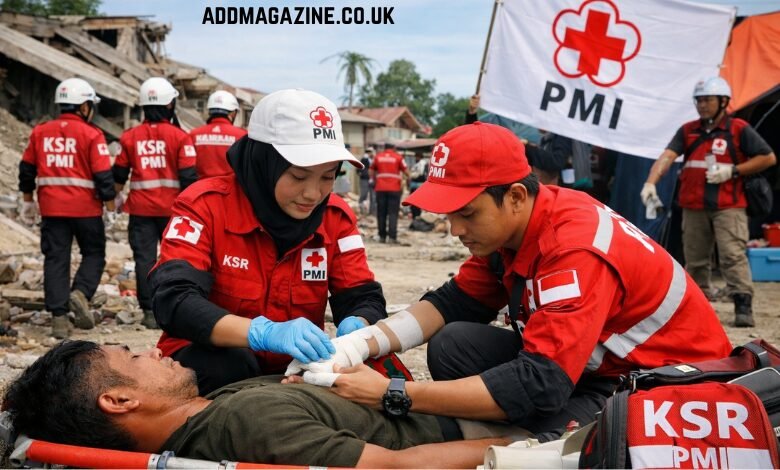
Korps Sukarela, or KSR, is the volunteer corps under the umbrella of the Indonesian Red Cross (Palang Merah Indonesia, PMI). With a long-standing history rooted in the values of community cooperation, this organization plays a significant role in serving the people of Indonesia. The primary focus of KSR is to organize citizens for humanitarian work, particularly in response to natural disasters, health initiatives, and social welfare programs. Through KSR, Indonesia has created a structured and well-coordinated approach to volunteerism, making it a vital element in addressing the nation’s urgent needs.
The Role and Origins of Korps Sukarela
The concept of voluntary service in Indonesia is not new. It is deeply embedded in the culture, with traditional values such as gotong royong—a term that means mutual cooperation—serving as the foundation for community-based efforts. However, Korps Sukarela, as an official institution, was formed to structure these volunteer efforts more effectively. Established by the Indonesian Red Cross, the aim was to create a nationwide network of volunteers who could be mobilized in times of need.
KSR started as a small initiative but soon grew into a recognized organization with branches at the provincial, city, and district levels. It now runs through multiple branches in universities, secondary schools, and local community organizations, bringing together people of all ages for this meaningful cause. Its growth was driven by the need for a more formal and reliable volunteer force to support disaster relief, health education, and social welfare.
The name Korps Sukarela translates directly to “Volunteer Corps,” and this simple yet powerful name encapsulates the essence of its mission. The corps stands as a symbol of collective action, where ordinary citizens dedicate their time and skills for the welfare of others, without expectation of financial compensation.
The Core Values of Korps Sukarela
Korps Sukarela operates on a set of principles that guide its every action, ensuring that its services are always carried out ethically and effectively. These core values mirror the guiding principles of the international Red Cross and Red Crescent movement, and they include:
- Humanity: Serving people without discrimination, driven by a desire to alleviate human suffering.
- Neutrality: KSR remains impartial in conflicts, not taking sides or engaging in political or religious activities.
- Independence: Operating autonomously to make decisions that prioritize the needs of the people.
- Volunteerism: All members of KSR give their time and efforts freely, without monetary compensation.
- Unity: Ensuring that every volunteer is united by a common purpose, transcending personal, social, and cultural barriers.
- Impartiality: Providing equal care to all individuals in need, regardless of their background or status.
These values form the backbone of KSR’s operations, ensuring that it remains focused on providing aid to those who need it most, regardless of race, religion, or political affiliation.
Becoming a Volunteer in Korps Sukarela
Becoming a member of Korps Sukarela involves a dedication to volunteer work, ongoing education, and maintaining physical health. While some units accept younger participants through affiliated youth programs, the general requirement for joining is that volunteers must be at least 18 years old. Prospective members must also meet basic health requirements and undergo a screening process to ensure they are physically and mentally fit for the responsibilities of volunteer work.
After being accepted, new volunteers undergo basic training, which is known as diklat (short for pendidikan dan pelatihan or “education and training”). This training covers essential skills such as first aid, life support, disaster management, communication techniques, and understanding organizational ethics. Once volunteers complete their basic training, they are equipped with the skills needed to handle a variety of challenges, from emergency response to community outreach.
For those who wish to pursue specialized roles, further training is available. Volunteers can join Satgana (disaster readiness teams), focusing on specific areas such as water sanitation, psychosocial support, and mass casualty management. This specialized training ensures that KSR volunteers are well-prepared to tackle the many challenges posed by Indonesia’s frequent natural disasters, such as earthquakes, floods, and volcanic eruptions.
KSR’s Diverse Activities and Community Impact
Korps Sukarela’s activities cover a wide range of areas, making it an essential part of Indonesia’s disaster response and public health infrastructure. In times of disaster, KSR volunteers play a crucial role by providing emergency medical services, setting up evacuation shelters, distributing relief supplies, and supporting rescue operations. Their work extends beyond immediate disaster response, as they also assist in long-term recovery efforts.
However, KSR’s contributions do not only manifest in times of crisis. The organization is also deeply involved in ongoing community development and health education. Volunteers frequently organize blood donation campaigns, health awareness programs, and youth education initiatives, such as drug prevention workshops and HIV/AIDS awareness. These activities help improve public health and foster resilience in communities that may otherwise have limited access to such services.
One of KSR’s most impactful initiatives is its outreach to rural and underserved areas, where access to medical care and disaster preparedness is often limited. Volunteers work in these communities to improve access to clean water, provide basic health services, and educate people on preventive healthcare practices. These efforts help reduce the burden of diseases and improve the overall quality of life for many Indonesians.
Disaster Response and Preparedness
Indonesia ranks among the world’s most vulnerable nations to natural disasters, constantly facing challenges from various environmental hazards. The nation’s location on the Pacific Ring of Fire and its exposure to tropical storms, floods, and volcanic eruptions mean that disaster preparedness is a top priority for the government and humanitarian organizations alike. Korps Sukarela plays a central role in the nation’s disaster response efforts, with volunteers often among the first to arrive at disaster sites.
Their ability to respond quickly and efficiently is supported by the extensive training they undergo and their close integration with local PMI offices. In large-scale disasters, KSR volunteers coordinate with other emergency services and aid organizations to provide comprehensive relief efforts. They are skilled in managing emergency shelters, conducting search-and-rescue missions, and providing psychological support to affected individuals.
The Long-Term Impact of Korps Sukarela
Beyond disaster relief and health education, Korps Sukarela is dedicated to long-term community development. Volunteers work on projects that address issues such as waste management, environmental conservation, and vocational training. They engage in tree-planting campaigns, clean-up drives, and construction of community centers to help communities build their resilience to both natural and social challenges.
These projects are essential in fostering sustainable development and ensuring that communities can handle future crises independently. KSR’s focus on education and community empowerment is integral to the development of a more resilient and self-sufficient population.
Challenges Faced by Korps Sukarela
While Korps Sukarela has been incredibly successful in mobilizing volunteers and providing valuable services, the organization faces several challenges. One of the most significant obstacles is maintaining volunteer engagement. Many volunteers juggle their responsibilities with other commitments, such as school or work, which can lead to difficulties in retaining members over time.
Additionally, KSR operates in an environment where resources—such as funding, equipment, and logistical support—can sometimes be limited. These constraints can hinder the organization’s ability to expand its reach or respond to large-scale disasters effectively. In remote areas, access to training and coordination can be a problem, making it harder for volunteers to work efficiently in some regions.
Looking Ahead: The Future of Korps Sukarela
The future of Korps Sukarela lies in expanding its capabilities and further integrating technology into its operations. Digital platforms could streamline volunteer management, improve coordination, and enhance the efficiency of disaster response efforts. Additionally, the increasing specialization of volunteers—such as the use of drones for mapping disaster areas or data analysis for relief planning—could help KSR adapt to the changing landscape of humanitarian aid.
As Indonesia faces mounting environmental challenges, Korps Sukarela is likely to focus even more on climate resilience and disaster risk reduction. By integrating sustainable practices into its community development projects and continuing to train volunteers in new techniques, KSR will remain a vital force in Indonesia’s humanitarian landscape.
Conclusion
Korps Sukarela is more than just a volunteer corps; it is a testament to the power of collective action and the impact that dedicated individuals can have on their communities. From disaster relief to long-term social development, KSR plays an essential role in strengthening the fabric of Indonesian society. Its commitment to volunteerism, community service, and humanitarian principles continues to inspire and mobilize Indonesians of all ages to contribute to the greater good.
In the years to come, Korps Sukarela will undoubtedly continue to evolve, facing new challenges and seizing new opportunities to serve those in need. Thanks to its volunteers, the organization will continue to stand as a beacon of hope, strength, and unwavering compassion during times of crisis.