
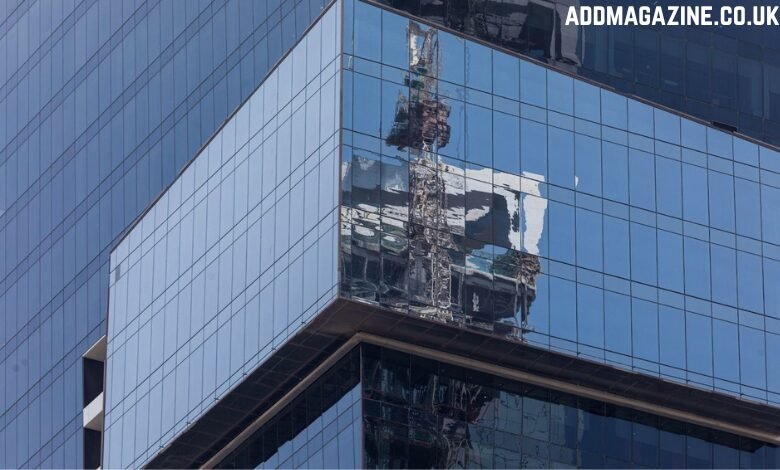
Security has become a central concern in modern building design. Whether the project is residential, commercial, or institutional, architects and developers are increasingly focused on protecting occupants, assets, and property from potential risks. Buildings today must address not only environmental challenges but also security-related threats such as break-ins, vandalism, and accidental damage.
Glass is an essential architectural element, but it can also be a vulnerability if not properly selected. Traditional glass breaks easily and offers little resistance to forced impact. Laminated glass has emerged as a practical solution that strengthens security while maintaining transparency and architectural appeal.
Why Security-Focused Projects Need a Laminated Glass Manufacturer
For buildings where security is a priority, working with a reliable Laminated Glass manufacturer is a crucial decision. Laminated glass used for security purposes must be manufactured with precision to ensure consistent strength and reliable performance under stress.
The lamination process bonds multiple layers of glass with a strong interlayer. This interlayer plays a key role in resisting penetration and holding glass fragments together when impact occurs. Professional manufacturers follow strict production controls to ensure laminated glass meets security-related standards and project requirements.
Selecting the right manufacturing partner ensures that security performance is built into the glass from the beginning.
How Laminated Glass Improves Protection Against Forced Entry
One of the most important security benefits of laminated glass is its resistance to forced entry. When standard glass is struck, it shatters quickly, creating an easy access point. Laminated glass behaves differently.
Even when hit repeatedly, laminated glass remains bonded to its interlayer. This makes it difficult to break through quickly, delaying unauthorized access and increasing the effectiveness of security systems. This delay can be critical in:
- Residential properties
- Retail storefronts
- Office buildings
- Institutional facilities
By slowing down intrusion attempts, laminated glass adds an extra layer of protection without the need for visible barriers.
Reducing Risks from Accidental and Intentional Impact
Buildings are exposed to various types of impact, both accidental and intentional. Furniture movement, equipment handling, and human activity can all lead to glass damage. In some cases, vandalism may also be a concern.
Laminated glass reduces these risks by:
- Holding broken glass in place
- Preventing dangerous shards from spreading
- Maintaining a barrier even after damage
This behavior improves safety for occupants and reduces the need for immediate glass replacement in emergency situations.
Enhancing Safety in Vulnerable Areas
Certain areas of a building require higher levels of protection due to frequent use or exposure. Laminated glass is commonly used in:
- Ground-floor windows
- Entrances and exits
- Glass doors and partitions
- Stairwells and corridors
In these locations, the ability of laminated glass to remain intact under stress significantly reduces injury risk and improves overall building safety.
Mid-Article Focus: Manufacturing Consistency for Security Performance
Security performance depends on consistency. Variations in glass thickness, bonding strength, or interlayer quality can weaken protection. Partnering with a dependable Laminated Glass manufacturer ensures that every laminated glass panel meets the same security standards.
Consistent manufacturing allows designers and engineers to rely on predictable performance across the entire building. This is especially important for large projects where multiple glass panels are used in security-sensitive areas.
Uniform quality also simplifies installation and inspection processes.
Protection Against Shattering and Secondary Damage
When glass breaks, secondary damage can occur from flying shards and falling fragments. Laminated glass minimizes this risk by keeping fragments bonded to the interlayer.
This is particularly important in:
- Public-facing buildings
- Schools and healthcare facilities
- Retail environments
- Residential complexes
Reducing secondary damage not only improves safety but also limits disruption and cleanup costs after an incident.
Supporting Security Without Blocking Visibility
One of the advantages of laminated glass is that it provides protection without sacrificing visibility. Unlike metal bars or opaque barriers, laminated glass maintains clear sightlines and natural light.
This makes it suitable for:
- Retail displays
- Office environments
- Residential windows
- Institutional buildings
By combining transparency with security, laminated glass supports both functional and aesthetic goals.
Long-Term Durability and Security Reliability
Security solutions must remain effective over time. Materials that degrade quickly can lose their protective value. Laminated glass is designed to maintain performance under prolonged exposure to sunlight, temperature changes, and moisture.
Its durability ensures that security benefits remain intact throughout the building’s lifespan. Long-lasting materials reduce maintenance requirements and help maintain consistent protection without frequent upgrades.
Applications Across Different Building Types
Laminated glass is used in a wide range of security-conscious projects.
Residential Buildings
Homeowners use laminated glass to improve protection against break-ins while maintaining a comfortable living environment.
Commercial Properties
Offices and retail spaces rely on laminated glass to protect assets, employees, and customers without creating a fortress-like appearance.
Institutional Facilities
Schools, hospitals, and government buildings use laminated glass to enhance safety and reduce risk in high-occupancy spaces.
Contribution to Risk Management and Insurance Considerations
Building security is closely tied to risk management. Laminated glass helps reduce the likelihood of injury and property damage, which can positively influence insurance assessments and liability considerations.
By minimizing hazards associated with broken glass, laminated glass supports safer environments and more manageable risk profiles for property owners.
Professional Manufacturing and Security Confidence
Security-focused construction requires dependable materials and experienced partners. mannleecw.com reflects a professional approach to laminated glass production, emphasizing quality control, consistency, and performance suitable for security-driven applications.
Manufacturers with experience in laminated glass understand how to balance protection, clarity, and durability, providing solutions that meet modern security expectations.
Future Developments in Security Glass Solutions
As security challenges evolve, glazing solutions will continue to advance. Laminated glass technology is expected to improve further through stronger interlayers and enhanced resistance features.
Future innovations may offer even greater protection while maintaining transparency and design flexibility. These developments will expand the role of laminated glass in security-conscious architecture.
Conclusion
Laminated glass has become a key material in enhancing building security and reducing risk. Its ability to resist forced entry, limit shattering, and maintain structural integrity makes it a valuable solution for modern buildings.
By selecting the right manufacturing partner, project teams can ensure laminated glass delivers reliable protection and long-term performance. As security requirements continue to grow, laminated glass will remain a trusted element in safe, resilient, and well-designed buildings.