
The logistical landscape is undergoing a seismic shift. As the UK accelerates towards its net-zero targets and the 2035 ban on the sale of new petrol and diesel vehicles draws closer, commercial fleets are electrifying at an unprecedented rate. For fleet managers, the conversation has moved rapidly from “should we switch?” to “how do we manage the switch?”
Buying the vehicles is arguably the easy part. The true challenge lies in keeping them moving. Unlike stopping at a petrol station for five minutes, charging a fleet requires time, strategy, and power. Without a robust strategy, businesses risk operational downtime and soaring energy bills.
Optimising your charging setup is not merely a technical necessity; it is a strategic advantage. By implementing the right infrastructure and smart technology, commercial fleets can reduce operational costs, ensure vehicle readiness, and future-proof their business against a volatile energy market.
Assessing Your Energy Requirements
The first step in optimisation is understanding that your current site was likely not designed to fuel a fleet of vehicles. An office building or warehouse typically has an energy supply capped at a certain level. Plugging in dozens of vans simultaneously can easily trip the system or exceed your agreed supply capacity, leading to hefty penalties.
Before installing a single charger, a thorough site audit is essential. You must understand the capacity of your existing electrical infrastructure. This assessment will dictate whether you need a new grid connection or if you can manage with your current supply through load-balancing technology.
Upgrading your connection to the grid can be costly and time-consuming. However, by understanding the limitations of your current electrical infrastructure, you can design a system that maximises available power without breaking the bank or the grid.
The Shift to Centralised Hubs
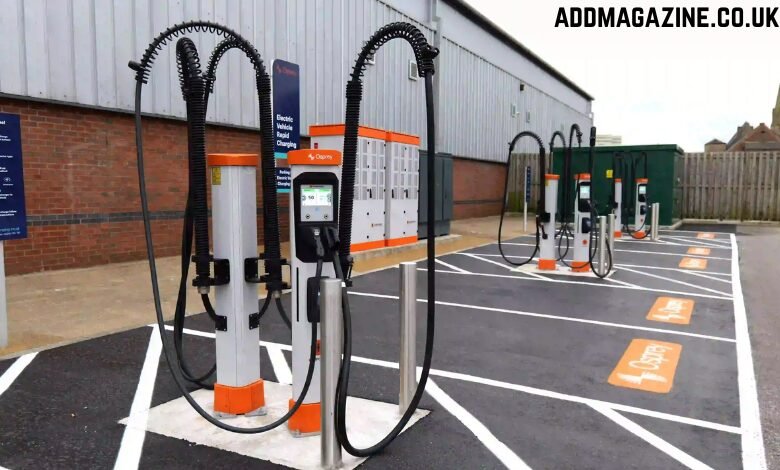
For businesses operating strictly from a depot, the ad-hoc installation of wall boxes is rarely sufficient. As fleets grow, the logistics of shuffling vehicles around to find a free plug becomes a nightmare. This is where the concept of a dedicated electric vehicle charging hub comes into play.
A centralised hub is designed for high-volume throughput. It centralises the power distribution, allowing for cleaner cable management and easier maintenance. More importantly, a dedicated hub allows for the installation of a mix of chargers. You might install slower AC chargers for overnight power-ups and rapid DC chargers for vehicles that need a quick boost during a midday turnaround.
Establishing an electric vehicle charging hub at your depot transforms your parking lot into a private fuelling station, giving you total control over who charges, when they charge, and how much it costs.
Smart Charging: The Brains Behind the Power
Hardware is only half the equation. To truly optimise a fleet, you need intelligent software. Smart charging platforms allow chargers to communicate with the vehicle, the grid, and each other.
Load Balancing
Smart software enables dynamic load balancing. If your site has a power limit, the software distributes the available energy across all plugged-in vehicles. As one vehicle finishes charging, the power is automatically redirected to others that still need it. This ensures you never exceed the limits of your electrical infrastructure, preventing blackouts and avoiding expensive grid upgrades.
Cost Management
Electricity prices fluctuate throughout the day. Smart charging allows you to schedule charging sessions during off-peak hours when tariffs are lowest. For a fleet of 50 or 100 vehicles, the difference between charging at 5 pm and charging at 2 am can amount to thousands of pounds in savings annually.
Future-Proofing for Scalability
One of the most common mistakes businesses make is designing for the fleet they have today, rather than the fleet they will have in five years. Commercial electrification is a journey, not a one-off project.
When laying the groundwork—cabling, trenching, and transformers—it is far more cost-effective to install capacity for future expansion now. Digging up the car park twice is an expense no financial director wants to sign off on. A scalable electric vehicle charging hub allows you to add more charge points as your EV numbers swell, simply by plugging new units into the pre-laid foundations.
The Operational Benefits
When you move beyond basic plug-and-play and embrace a fully optimised strategy, the benefits extend well beyond keeping the battery light off.
- Guaranteed Uptime: With monitored hardware and smart alerts, you know immediately if a charger is down, ensuring drivers aren’t left stranded with a flat battery in the morning.
- Data-Driven Decisions: Charging software provides granular data on energy usage per vehicle. This allows for accurate cost-per-mile analysis, helping you identify inefficient routes or driving behaviours.
- Sustainability Reporting: For businesses with strict ESG (Environmental, Social, and Governance) targets, smart chargers provide precise data on carbon reductions, simplifying the reporting process.
Charging Ahead
The transition to electric fleets is complex, but it is also an opportunity to rethink how your logistics operation consumes energy. It requires moving away from the passive habit of refuelling and adopting an active strategy of energy management.
By assessing your site’s capabilities, investing in smart technology, and planning for scale, you can turn a logistical hurdle into a streamlined, cost-saving asset. The electric future is already here; the only question is whether your infrastructure is ready to power it.