
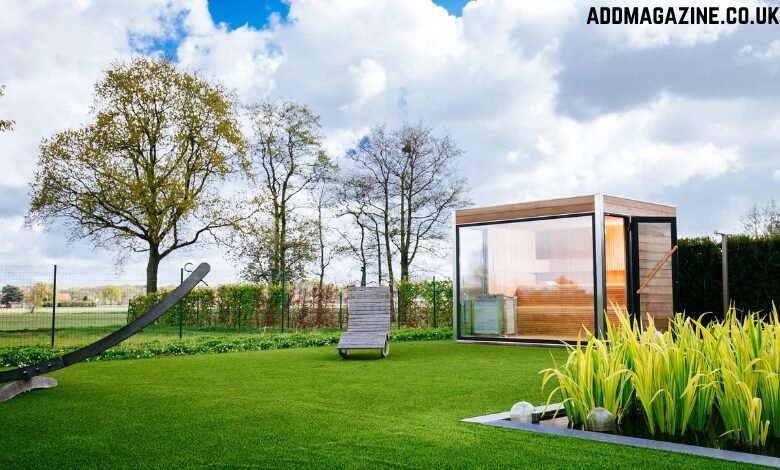
British gardens are experiencing a radical transformation in both their purpose and design. Whereas in the past they were purely decorative and centered on planting and lawn care, nowadays they are increasingly becoming functional outdoor living spaces that can be enjoyed all year round. Saunas are at the heart of this change, acting as signature elements that not only warrant a complete garden makeover but also alter the way the homeowners consider their outdoor space altogether.
The visual effect of incorporating a carefully designed sauna goes well beyond the building itself. Gardens which could have been considered finished may suddenly disclose potential for the addition of pathways, new lighting, further landscaping, and a variety of seating areas, all blending together to create an outdoor wellness experience. The sauna offers the motive and the financial excuse for the upgrade which otherwise could have been kept eternally on hold.
Architectural Integration Rather Than Add-On Structures
Early adopters of garden saunas typically regarded them as separate structures placed wherever there was space with little if any consideration for the visual integration of the home’s architecture. Nowadays, the sauna is considered a design element that complements and enhances the aesthetic of the property rather than being a disconnected outbuilding.
Even if the sauna building uses a different architectural style, materials that echo the main house still work to visually link the two. Using similar timber cladding, matching roofing materials, or coordinating color palettes allows the sauna to be perceived as a part of a thoughtful design scheme rather than something that has been added later. This kind of coordination takes more time to plan but the results are gardens that look professionally designed rather than just accumulated step by step.
Nowadays, positioning strategies take into account the views from the inside of the house just as much as the experience from the inside of the sauna. An elegantly designed sauna that maximizes the views from the main living areas adds value even if it is not used at all. Garden designers who consider saunas as the centerpiece of the garden position them in such a way that the eye is naturally attracted to them and thus they add interest in the garden compositions seen from inside the home.
The scale and proportions of contemporary garden saunas UK homeowners are installing reflect a more sophisticated understanding of how buildings relate to each other and to the landscape. Smaller properties require carefully proportioned structures that provide adequate internal space without overwhelming limited gardens.
Year-Round Garden Usage Patterns
Installing an outdoor sauna greatly changes how a garden is used throughout the year. Areas that hardly got any use from October to April are now being used all through the winter months. This greater use of the garden makes it worthwhile to install lighting, heating, and waterproofing, which change gardens from being seasonal facilities to year-round living space extensions.
Winter sauna use in particular leads to the development of a garden’s infrastructure that really benefits the whole garden. Heated sidewalks that keep them free of ice, lighting installations that fit the long winter evenings, and roofed passages that help those going between house and sauna stay dry, all improve the usability of the winter garden for any activities. The sauna is the reason for these changes that later allow other winter garden activities.
Wellness-Focused Landscape Design
Besides outdoor saunas, the gardens are also designed nowadays to feature various other wellness elements along the lines of a more comprehensive health-focused outdoor environment.
Cold plunge pools, outdoor showers, meditation spaces, and yoga platforms are great complements to sauna use, but they are also capable of serving the users independently. The collection of wellness amenities in a small area is changing the gardens into real home spa environments.
Usually, more attention is given to sensory design in saunas, centered gardens. Such gardens deliberately involve more senses as compared to traditional ornamental gardens, which mainly appeal visually.
Contemporary Design Aesthetics and Material Choices
Garden saunas’ visual language has changed a lot since the simple cabins that marked the early sauna installations in the UK. Such a wide spectrum of designs helps in creating a better visual harmony between the sauna’s look and the property’s architecture.
Black, stained timber is probably the most preferred material now for gardens in the UK. When using such a dark cladding in a garden setting, it visually stands out dramatically against green foliage, and at the same time, it appears to age beautifully as the wood weathers. This look goes well with both modern and traditional house styles, which is why it has become so popular, even though it is a deviation from the natural wood finishes that saunas have mostly been made of.
The Lasting Impact on Garden Design Thinking
Outdoor saunas have revolutionised the UK homeowners’ and garden designers’ outdoor space planning drastically. People now think of gardens not just as pretty faces but as spaces that should physically and mentally nurture us, help us relax and create social bonds. This shift in functionality leads to upgrading of the infrastructure, the use of high, quality materials and engaging design services that make gardens an integral part of the living space.
Only through regular usage does sauna installation facilitate the willingness to make a substantial investment in garden improvements. A room or a corner of the house that was only justified for a few dollars was now, when it was transformed into the daily destination, given a much larger budget. The change in mindset that the gardens are no longer a luxury but a necessity has led to an increase in the amount of money that homeowners are willing to spend on design and construction quality.