
Plum Island, located in Southold, New York (ZIP code 11957), is a small yet fascinating island nestled in Long Island Sound. Stretching just 840 acres, it lies between Orient Point on Long Island and Fishers Island, Connecticut. Though it’s only about 3 miles long and 1 mile wide, Plum Island has played a significant role in U.S. history and ecology.
While the island is best known for its scientific research and military history, Plum Island is also a sanctuary of natural beauty, wildlife, and rich ecosystems. It’s a hidden gem that continues to intrigue visitors, nature lovers, and history buffs alike.
A Glimpse into History: From Military Base to Research Hub
Early History and Military Significance
The history of Plum Island goes back to the 17th century, when it was originally inhabited by the Pequot tribe and known as “Manittuwond.” The island was purchased by European settlers in 1659, who made it part of the colonial landholdings. Over the years, ownership shifted until 1899, when the U.S. government acquired the island for military purposes.
In 1897, the U.S. Army established Fort Terry on Plum Island as part of its coastal defense system. The fort was crucial during both World Wars, safeguarding the region from potential threats. However, after being deactivated in 1949, the island’s role transitioned from military defense to scientific research.
The Plum Island Animal Disease Center (PIADC)
In 1952, the U.S. government opened the Plum Island Animal Disease Center (PIADC), a specialized research facility aimed at protecting U.S. livestock. The facility has long been at the forefront of studying foreign animal diseases such as foot-and-mouth disease (FMD), which can have devastating impacts on agricultural economies.
PIADC remains one of the few places in the U.S. authorized to work with live samples of these dangerous diseases. Although the research is critical for maintaining agricultural safety, the facility is set to close by 2026, with its operations slated to move to a new facility in Kansas.
Natural Beauty: A Sanctuary for Wildlife
Plum Island’s natural beauty is equally as captivating as its historical and scientific importance. The island boasts a variety of ecosystems, each supporting different wildlife species, from migratory birds to marine mammals.
Coastal Charm and Serene Beaches
One of the island’s most stunning features is its peaceful coastline. Plum Island’s beaches are tranquil and largely untouched, offering unobstructed views of Long Island Sound. These beaches remain relatively quiet, especially during the off-season, providing an idyllic escape from the hustle and bustle of everyday life. The isolation of the island ensures that its shores remain natural and free from heavy development, making it a unique destination for those seeking solitude and beauty.
A Birdwatcher’s Paradise
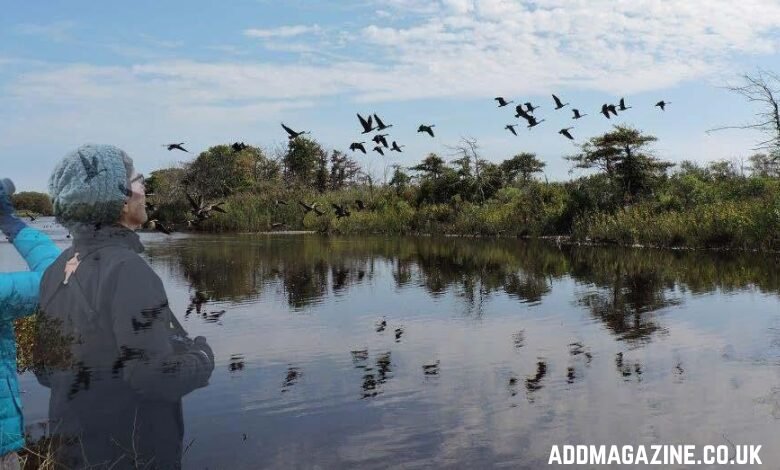
Plum Island is a paradise for birdwatchers, with over 229 species of birds documented on the island. The island’s diverse habitats, such as salt marshes, tidal flats, and coastal forests, create ideal conditions for migratory birds. Rare species like the endangered piping plover and the roseate tern use the island as a nesting and resting spot during migration.
Birdwatchers often recount breathtaking moments of observing flocks of birds in flight or catching sight of rare species in their natural habitats. These birdwatching opportunities attract visitors from all over, especially during migration seasons, when the island is teeming with wildlife.
Unique Ecosystems: Rich Biodiversity
Vibrant Tidal Flats and Marshlands
Plum Island is home to a variety of ecosystems, all supporting a rich web of life. The salt marshes on the island are crucial for filtering pollutants from the surrounding waters, while also providing a nursery for marine life. These marshlands are a key part of the local ecosystem, offering protection to many species of fish and invertebrates.
The island’s tidal flats are another vital part of the environment, hosting shellfish, small fish, and other marine creatures. These flats provide an important feeding ground for migratory shorebirds, which stop by to refuel on their long journeys.
Coastal Forests and Wildlife Habitat
The island’s coastal forests are home to a variety of native plant species, such as scrub oak and beach plum. These forests also provide shelter for wildlife, including small mammals and insects. Together, these diverse ecosystems make Plum Island a vital part of Long Island’s ecological network.
Conservation Efforts: Protecting Plum Island’s Legacy
Due to its ecological value, Plum Island has become the focus of numerous conservation efforts. Over the years, environmental organizations, local officials, and residents have worked hard to preserve the island’s natural habitats and prevent overdevelopment.
The Battle to Protect Plum Island
In 2008, the U.S. government announced plans to sell Plum Island, sparking concern among conservationists and local communities. The fear was that private development would lead to the destruction of the island’s unique ecosystems. To prevent this, the Preserve Plum Island Coalition and other groups advocated for the island’s preservation.
In 2020, their efforts paid off when Congress passed legislation that blocked the sale of the island. This was a significant victory for conservationists, as it ensured that Plum Island would not be lost to commercial development. The law also tasked the Department of Homeland Security with considering transferring ownership of the island to other federal agencies or state and local governments for preservation.
The Future of Plum Island: A National Treasure
Preserving Plum Island’s Ecological and Historical Value
The future of Plum Island is still uncertain, but many hope it will become part of the National Park System or be designated as a national monument. The goal is to protect the island’s historical significance, environmental value, and natural beauty for future generations.
There are ongoing discussions about how to best balance access to the island with the need to preserve its fragile ecosystems. Some have suggested opening the island to the public for educational purposes, allowing visitors to learn about its history and ecology in a sustainable way.
Limited Access: A Hidden Gem
Currently, Plum Island remains off-limits to the general public. Access is restricted to special permits, primarily for scientific research or specific tours. However, conservation groups and local officials continue to push for greater public access while ensuring that the island remains protected.
Why Plum Island Matters: A Natural and Historical Treasure
Plum Island is more than just a research center or a military site—it is a unique and pristine environment that serves as a critical sanctuary for wildlife and a reminder of the importance of ecological conservation. Its rich biodiversity, natural beauty, and historical significance make it a treasure worth protecting.
For nature enthusiasts, history lovers, and conservation advocates, Plum Island offers something special. It is a place where the past and future converge, and where people can appreciate the fragile beauty of nature while learning about the importance of preservation.
Conclusion
In conclusion, Plum Island is a remarkable place, rich in history and natural beauty. From its military past to its current role in animal disease research, the island has served many purposes. Today, it stands as a symbol of the delicate balance between scientific progress and environmental protection.
Efforts to preserve Plum Island ensure that future generations will be able to enjoy its pristine landscapes and learn from its diverse ecosystems. The island’s future remains in the hands of conservationists and local communities, but its importance as both a natural sanctuary and a historical landmark cannot be overstated.