Utility operations face mounting pressure to reduce costs while maintaining service reliability across expanding infrastructure networks. Traditional on-site metering approaches that served the industry for decades now compete with remote monitoring technologies that promise operational efficiencies and reduced labor overhead. The decision between these approaches affects not only immediate operational costs but also long-term scalability, regulatory compliance, and customer service capabilities.
For utility business leaders, the choice involves weighing proven manual processes against evolving automated systems. Each approach carries distinct implications for workforce allocation, maintenance scheduling, data accuracy, and capital investment. Understanding these trade-offs becomes essential as utilities balance immediate operational needs with strategic positioning for future growth and regulatory requirements.
Understanding Remote and On-Site Metering Fundamentals
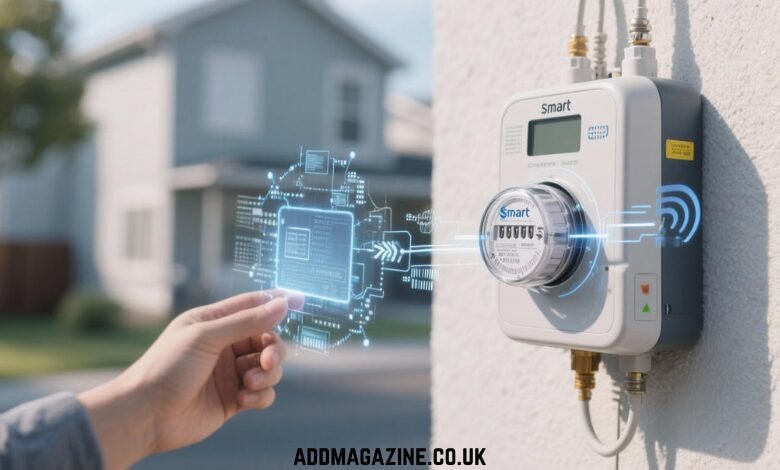
Remote metering systems collect consumption data through automated communication networks, transmitting information from meters to central management systems without requiring physical site visits. These systems rely on wireless communication protocols, cellular networks, or fixed network infrastructure to deliver real-time or scheduled data transfers. Modern utility metering solutions metering business utility metering solutions incorporate multiple communication pathways to ensure data reliability even when primary networks experience disruptions.
On-site metering maintains the traditional approach of manual meter reading combined with periodic maintenance visits. Field personnel physically access meters to record consumption data, perform visual inspections, and conduct routine maintenance tasks. This method provides direct verification of meter condition and immediate identification of tampering, damage, or operational issues that might not register through automated monitoring systems.
Communication Infrastructure Requirements
Remote systems depend on reliable communication networks that can penetrate various installation environments, from underground utility vaults to densely constructed urban areas. Network coverage gaps create operational blind spots where meters cannot transmit data, requiring backup communication methods or reverting to manual reading protocols. The infrastructure investment extends beyond individual meters to include network maintenance, data management platforms, and technical support capabilities.
On-site operations require different infrastructure focused on vehicle fleets, mobile data collection devices, and route optimization systems. Field crews need reliable transportation, safety equipment, and handheld devices capable of operating in various weather conditions and physical environments. The infrastructure investment concentrates on personnel support rather than communication networks.
Data Collection Reliability Patterns
Remote metering delivers consistent data collection frequencies but faces challenges from communication interruptions, power outages, and environmental interference. When systems function properly, data arrives with predictable timing and completeness. However, network disruptions can create data gaps that require manual intervention to resolve, sometimes necessitating field visits that eliminate the cost advantages of remote monitoring.
Manual reading provides verified data accuracy at the point of collection but introduces variability based on human factors, weather conditions, and site accessibility. Experienced meter readers can identify and resolve issues immediately, but scheduling constraints and workforce availability can create irregular reading intervals that affect billing accuracy and customer service consistency.
Operational Cost Structure Analysis
Remote metering systems front-load capital expenses through meter hardware, communication infrastructure, and software platform investments. These initial costs typically exceed traditional meter installations due to communication modules, extended battery systems, and network setup requirements. However, operational expenses shift from recurring labor costs to technology maintenance, network fees, and system administration overhead.
The ongoing cost structure for remote systems includes communication service fees, software licensing, technical support contracts, and periodic hardware updates. While eliminating routine reading labor, these systems require specialized technical personnel for troubleshooting, data management, and system optimization. The cost model becomes more predictable but less flexible, with technology refresh cycles driving periodic capital investments.
On-site metering maintains lower initial capital requirements but carries higher ongoing labor costs through reader wages, vehicle maintenance, fuel expenses, and route management overhead. The cost structure remains more variable, influenced by fuel prices, labor market conditions, and geographic factors that affect route efficiency. However, the operational model provides greater flexibility to adjust reading frequencies and focus resources on specific service areas as needed.
Hidden Cost Factors
Remote systems generate hidden costs through network reliability issues that require emergency field visits, data management complexity that demands additional software tools, and cybersecurity requirements that necessitate ongoing monitoring and updates. Communication network changes, such as cellular carrier upgrades, can force premature hardware replacements across entire meter populations.
Manual operations carry hidden costs through weather-related schedule disruptions, vehicle accidents, workers’ compensation claims, and training requirements for new personnel. Route inefficiencies during peak demand periods can significantly increase per-meter reading costs, while safety incidents create both direct costs and regulatory compliance burdens.
Scale Economics Considerations
Remote metering systems demonstrate stronger economies of scale as meter populations increase, with fixed network and software costs distributed across larger installations. The per-meter operational cost decreases as utility metering solutions metering business utility metering solutions expand to serve broader geographic areas or higher customer densities. Large-scale deployments also provide better negotiating leverage for communication services and technical support contracts.
On-site operations show more complex scale relationships, with route density affecting per-meter costs more than absolute meter quantities. Urban installations with high meter density per route maintain lower per-meter costs, while rural installations with dispersed meters increase transportation overhead significantly. The scale advantages depend more on geographic clustering than total meter population.
Service Reliability and Performance Metrics
Remote metering systems provide continuous monitoring capabilities that enable immediate detection of consumption anomalies, potential leaks, and meter malfunctions. Real-time data transmission allows utilities to identify service interruptions quickly and respond to customer issues before complaints arise. However, this capability depends entirely on communication network reliability and meter battery performance, creating single points of failure that can eliminate monitoring coverage without warning.
The performance consistency of remote systems varies significantly based on environmental factors, network infrastructure quality, and meter installation locations. Urban areas with strong cellular coverage typically achieve high data transmission success rates, while rural installations may experience frequent communication gaps that reduce system effectiveness.
Manual reading operations provide verified meter performance at each visit, with immediate identification of physical damage, tampering attempts, or calibration issues. Field personnel can perform basic maintenance tasks during routine visits, potentially preventing more serious problems from developing. The reliability depends primarily on workforce consistency and route management effectiveness rather than technology performance.
Emergency Response Capabilities
Remote monitoring systems excel at detecting sudden consumption changes that may indicate leaks, breaks, or unauthorized usage. Automated alarm systems can notify operations personnel immediately when consumption patterns exceed predetermined thresholds, enabling rapid response to potentially serious situations. However, false alarms from communication errors or temporary network issues can overwhelm response capabilities and reduce overall system effectiveness.
On-site operations provide limited emergency detection capabilities during scheduled reading cycles but offer superior verification and immediate response when issues are identified. Experienced field personnel can assess situations quickly and coordinate appropriate responses, from customer notifications to emergency repairs. The response effectiveness depends heavily on reading frequency and field crew expertise.
Data Quality and Accuracy Standards
Remote systems deliver consistent data formatting and timing but may include transmission errors, incomplete readings, or gaps from communication failures. Data validation becomes a software function rather than human verification, requiring robust error detection algorithms and backup verification procedures. The accuracy depends on meter calibration, battery performance, and communication signal strength at each installation location.
Manual reading provides human verification of meter condition and reading accuracy but introduces potential transcription errors and interpretation inconsistencies between different personnel. Training programs and quality control procedures help maintain accuracy standards, but individual performance variations can affect data quality. Weather conditions and site accessibility challenges may force estimated readings that reduce overall accuracy.
Technology Integration and Future Adaptability
Remote metering platforms integrate readily with customer information systems, billing platforms, and operational management tools through standardized data interfaces. This connectivity enables automated billing processes, consumption analysis, and customer service enhancements that would require significant manual effort with traditional reading methods. The integration capabilities support advanced applications like demand response programs, conservation initiatives, and predictive maintenance scheduling.
However, the technology integration creates dependencies on software compatibility, data security protocols, and system upgrade coordination across multiple platforms. Changes to any connected system may require updates or modifications to the metering infrastructure, creating ongoing maintenance overhead and potential service disruptions during transition periods.
Traditional metering operations offer limited integration opportunities but provide greater flexibility to adapt reading schedules, data collection methods, and operational procedures without technology constraints. The simplicity enables rapid response to changing requirements or emergency situations without software updates or communication network modifications.
Regulatory Compliance Adaptability
Remote metering systems can be programmed to collect data according to specific regulatory requirements and automatically generate compliance reports for submission to oversight agencies. The Environmental Protection Agency increasingly expects utilities to provide detailed consumption monitoring and reporting capabilities that remote systems can deliver efficiently. Software updates can incorporate new regulatory requirements without hardware changes in most cases.
Manual systems require procedural changes and personnel training to address new regulatory requirements, but they offer greater flexibility to customize data collection methods for specific compliance needs. Field personnel can collect additional information or perform supplementary tasks during routine visits without technology limitations.
Scalability for Growth and Change
Remote infrastructure scales efficiently for utility expansion, with new meters connecting to existing communication networks and data management platforms. The marginal cost for additional meters decreases as the supporting infrastructure matures, making system expansion economically attractive. However, technology obsolescence cycles may require periodic infrastructure updates that affect the entire meter population simultaneously.
Manual operations scale linearly with meter additions, requiring proportional increases in reading personnel and vehicle resources. While less efficient than remote systems for large-scale growth, the approach provides flexibility to adjust service levels, reading frequencies, and operational procedures for different customer classes or service areas without technology constraints.
Implementation Risk Assessment
Remote metering implementations carry significant upfront risks related to communication network performance, meter compatibility, and software integration complexity. Pilot programs help identify potential issues, but full-scale deployments may reveal problems that become expensive to resolve after widespread installation. Technology vendor stability and long-term support commitments represent additional risks that can affect system viability over the typical 15-20 year meter lifecycle.
The implementation timeline for remote systems typically extends over multiple years, creating transition periods where utilities operate mixed meter populations with both automated and manual reading requirements. Managing these hybrid operations increases complexity and costs while potentially reducing the benefits of either approach.
On-site metering transitions involve lower implementation risks but face challenges from workforce management, route optimization, and equipment standardization. Personnel training requirements and safety protocol development represent manageable risks with predictable solutions. However, labor market conditions and competitive pressures for skilled field personnel create ongoing operational risks.
Technology Obsolescence Considerations
Communication technologies evolve rapidly, with cellular networks upgrading protocols and potentially discontinuing support for older standards. Remote metering systems installed today may require communication module updates or complete replacement within their intended service life. The timing and costs of these updates remain uncertain, creating financial planning challenges for utility metering solutions metering business utility metering solutions implementations.
Manual reading systems face minimal obsolescence risks, with handheld devices and route management software representing the primary technology components requiring periodic updates. These systems typically have shorter replacement cycles and lower individual costs, making obsolescence management more predictable and affordable.
ROI Calculation Framework
Calculating return on investment for metering system decisions requires comparing total lifecycle costs against operational benefits over the expected equipment service life. Remote systems typically require 7-10 years to recover initial capital investments through labor savings, depending on meter density, reading frequency requirements, and communication network costs. The calculation must account for technology refresh cycles, network service fee inflation, and potential early obsolescence from communication standard changes.
The ROI analysis should include quantifiable benefits such as labor cost avoidance, vehicle expense reduction, and improved billing accuracy, along with less tangible advantages like enhanced customer service capabilities and regulatory compliance automation. However, the calculation must also account for new costs including technical support, cybersecurity measures, and emergency field response for communication failures.
Manual system ROI calculations focus on operational efficiency improvements, route optimization, and workforce productivity enhancements rather than technology investments. The payback periods are typically shorter but the absolute returns may be smaller than remote system implementations. The analysis should consider labor market trends, fuel cost projections, and regulatory changes that might affect operational requirements.
Sensitivity Analysis Requirements
ROI projections must account for multiple scenarios including communication network reliability variations, technology obsolescence timing, and labor cost inflation rates. Remote system returns show high sensitivity to communication service costs and network performance levels, while manual system returns depend heavily on labor market conditions and fuel price trends.
Regulatory changes can significantly affect ROI calculations for both approaches, with new reporting requirements potentially favoring remote systems or emergency response mandates supporting continued field presence. The analysis should model various regulatory scenarios and their impact on operational costs and capital requirements.
Risk-Adjusted Return Considerations
Traditional financial analysis methods may not adequately capture the operational risks associated with technology-dependent remote systems versus labor-dependent manual operations. Risk-adjusted return calculations should account for potential stranded assets from technology obsolescence, operational disruptions from network failures, and cybersecurity incident costs that could affect remote systems.
Manual systems face different risk profiles related to workforce availability, safety incidents, and weather-related service disruptions. The risk-adjusted analysis should consider the probability and potential costs of various failure modes for each approach, incorporating insurance costs, regulatory penalties, and customer service impacts into the return calculations.
Conclusion
The choice between remote and on-site metering solutions requires careful evaluation of operational priorities, financial constraints, and long-term strategic objectives. Remote systems offer compelling advantages for large-scale operations with predictable communication infrastructure, while manual approaches provide flexibility and reliability for diverse or challenging service territories. Neither solution represents a universal best choice, and many utilities may benefit from hybrid approaches that combine both methods strategically.
Successful implementation of either approach depends on thorough planning, realistic cost projections, and careful attention to operational risk factors. The ROI framework provides a structured method for evaluating options, but the final decision should incorporate utility-specific factors that may not appear in standard financial analysis. As communication technologies continue evolving and labor market conditions change, utilities must regularly reassess their metering strategies to maintain optimal operational performance and cost effectiveness.
The fundamental goal remains consistent regardless of the chosen approach: delivering reliable utility services while maintaining operational efficiency and regulatory compliance. The metering system serves as a critical component in achieving these objectives, and the selection process deserves careful consideration of all relevant factors rather than focusing solely on initial cost comparisons or technology preferences.