
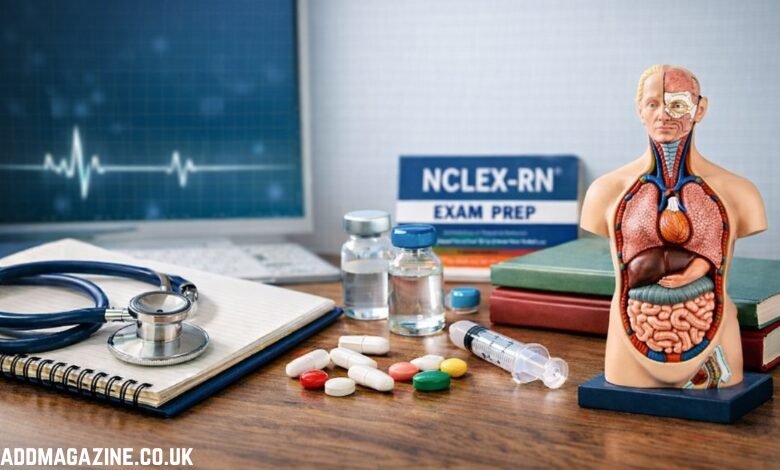
Nursing is a profession grounded in compassion, responsibility, and rigorous education. For nursing students, building a strong foundation is crucial for their career progression. One of the most effective ways to achieve this is by mastering fundamental nursing knowledge, as it plays a vital role in shaping future clinical practices. Whether you’re preparing for your NCLEX exam or enhancing your understanding of patient care, mastering key concepts is essential for every nursing student.
In this article, we will explore the 70 fundamental questions every aspiring Registered Nurse (RN) should be familiar with. These questions cover a broad range of topics, from patient assessment to medical terminology, ensuring that students are well-equipped to navigate both exams and real-world healthcare settings.
The Significance of Mastering Nursing Fundamentals
Nursing fundamentals are the building blocks of nursing education. They encompass core knowledge that is essential for providing safe, effective, and compassionate care. These concepts include patient assessment, basic anatomy and physiology, ethical decision-making, and medication administration. Each of these topics plays a significant role in helping nurses provide high-quality patient care and navigate complex clinical situations.
Additionally, mastering these fundamentals improves critical thinking, which is crucial in the nursing profession. Nurses are often required to make rapid decisions based on their understanding of patients’ needs. Without a solid foundation in nursing principles, the risk of errors increases, potentially affecting patient safety and care outcomes.
1. Patient Assessment and Critical Thinking
A critical skill for any nurse is the ability to assess a patient effectively. Patient assessments provide a detailed picture of a patient’s health status, allowing nurses to make informed decisions about care plans.
Key aspects of patient assessment include:
- Health History: Understanding the patient’s medical history, allergies, family history, and lifestyle choices is crucial.
- Vital Signs: Regularly measuring blood pressure, heart rate, respiratory rate, and temperature allows for early detection of potential health issues.
- Physical Examination: Systematic examinations of the body’s organs and systems help identify abnormal findings, such as irregular heartbeats or respiratory distress.
Critical thinking during patient assessment helps nurses connect symptoms with potential diagnoses and decide on appropriate interventions.
2. Anatomy and Physiology: Understanding the Body
Basic knowledge of anatomy and physiology is fundamental for nursing students. The human body is an intricate system of interconnected organs, and understanding how these systems work together is essential for providing effective care.
Nurses must be familiar with:
- Circulatory System: Understanding blood flow, heart function, and blood pressure regulation helps nurses monitor cardiovascular health.
- Respiratory System: The lungs and airways are crucial for gas exchange. Nurses must know how to assess breathing patterns and oxygenation levels.
- Nervous System: Knowledge of the nervous system is critical when assessing neurological function and recognizing signs of stroke or seizures.
Additionally, anatomical terminology allows nurses to communicate effectively with healthcare teams, ensuring that patient care is coordinated and clear.
3. Medication Administration: Precision and Accuracy
A core competency in nursing is the safe administration of medications. Medication errors can have serious consequences, making it vital for nursing students to be proficient in medication calculations, administration routes, and safety protocols.
Key considerations for safe medication administration include:
- Routes of Administration: Understanding the differences between oral, intravenous, intramuscular, and subcutaneous administration is essential.
- Dosage Calculations: Nurses must be comfortable with converting between units and calculating dosages correctly. Techniques such as dimensional analysis can simplify complex calculations.
- Patient Education: Nurses should explain the purpose, side effects, and potential risks of medications to patients to ensure compliance.
Effective medication administration is key to patient safety, requiring nurses to adhere to established guidelines while making accurate decisions in dynamic environments.
4. Health Promotion and Disease Prevention
Preventive care plays a significant role in nursing practice. Nurses are tasked with educating patients about healthy lifestyle choices, disease prevention, and vaccination.
Key aspects of health promotion include:
- Nutrition: Nurses should educate patients on balanced diets, the importance of hydration, and the role of nutrients in maintaining health.
- Physical Activity: Encouraging patients to engage in regular physical activity helps prevent chronic diseases such as obesity, hypertension, and diabetes.
- Mental Health: Addressing mental health concerns is crucial in holistic care. Nurses should be prepared to recognize signs of anxiety, depression, and stress, offering support and resources.
Preventive care not only improves the quality of life for individuals but also reduces the burden on healthcare systems by decreasing the incidence of preventable diseases.
5. Ethical and Legal Considerations in Nursing
Nurses must navigate ethical dilemmas regularly. Understanding the ethical principles of autonomy, beneficence, non-maleficence, and justice helps guide decision-making when faced with challenging situations.
Some common ethical issues in nursing include:
- Patient Autonomy: Respecting a patient’s right to make decisions about their care, even if their choices differ from the nurse’s recommendations.
- Confidentiality: Nurses are required to protect patient privacy and maintain confidentiality, ensuring that patient information is shared only with authorized individuals.
- Informed Consent: Before performing procedures, nurses must ensure that patients fully understand the risks and benefits, allowing them to make informed decisions.
Nurses must also be aware of legal considerations, including scope of practice and professional responsibilities, to avoid malpractice and ensure patient protection.
6. Communication Skills: Building Trust with Patients
Effective communication is essential for building strong relationships between nurses and patients. Clear communication ensures that patients understand their care plans and feel comfortable discussing their concerns.
Key communication strategies include:
- Active Listening: By paying close attention to what patients are saying, nurses can respond to their needs more effectively.
- Nonverbal Communication: Gestures, facial expressions, and body language can convey empathy and support, even when words aren’t sufficient.
- Patient Education: Nurses should communicate clearly and simply, explaining complex medical terms in a way that patients can easily understand.
Effective communication fosters trust, which is vital for successful patient care and treatment adherence.
7. Infection Control: Preventing the Spread of Disease
Infection control is a critical aspect of nursing practice. Nurses play a key role in preventing healthcare-associated infections by following proper hygiene protocols, using personal protective equipment (PPE), and adhering to isolation procedures when necessary.
Key infection control practices include:
- Hand Hygiene: Regular hand washing with soap and water, or using alcohol-based hand sanitizers, is essential in preventing the spread of infections.
- Sterilization and Disinfection: Nurses must ensure that medical equipment and patient environments are thoroughly disinfected to minimize contamination.
- Vaccination: Nurses should advocate for and administer vaccinations to prevent the spread of infectious diseases.
Proper infection control protects both patients and healthcare workers, ensuring that treatment settings remain safe and sterile.
8. Critical Care: Advanced Assessment and Intervention
For nurses working in critical care settings, advanced assessment skills are necessary to recognize signs of acute distress in patients. This includes monitoring vital signs, lab results, and response to treatments, which can change rapidly in critical situations.
Key considerations for critical care nursing include:
- Early Detection of Deterioration: Nurses must be able to recognize signs of deterioration, such as changes in heart rate, blood pressure, and oxygen saturation.
- Advanced Interventions: Nurses must be familiar with advanced procedures, such as intubation, defibrillation, and medication administration for patients in critical condition.
Critical care nursing requires a strong knowledge base and the ability to make quick, accurate decisions to ensure patient survival.
Conclusion
Mastering the fundamentals of nursing is essential for success in both exams and clinical practice. From patient assessment to medication administration, each concept plays a crucial role in providing safe and effective care. Whether you’re preparing for the NCLEX exam or looking to reinforce your knowledge, focusing on these 70 essential questions will help you excel in your nursing journey.
By developing a strong foundation in nursing principles, students can build confidence, improve critical thinking skills, and ultimately provide the best possible care for their patients. As nursing is a dynamic and ever-evolving field, mastering these core concepts will equip you to face new challenges and changes as they arise in your career.