Are you facing leaks or damage on your roof and unsure what to do next? Many roofs can be restored instead of replaced, which often saves money. This guide will show you the main differences between roof restoration and replacement, helping you make a smart choice for your home.
Keep reading to find out which option is best for your roof!
What is Roof Restoration?
Roof restoration is the process of fixing and improving your current roof. Experts repair damage and add new layers to make it last longer.
Overview of the restoration process
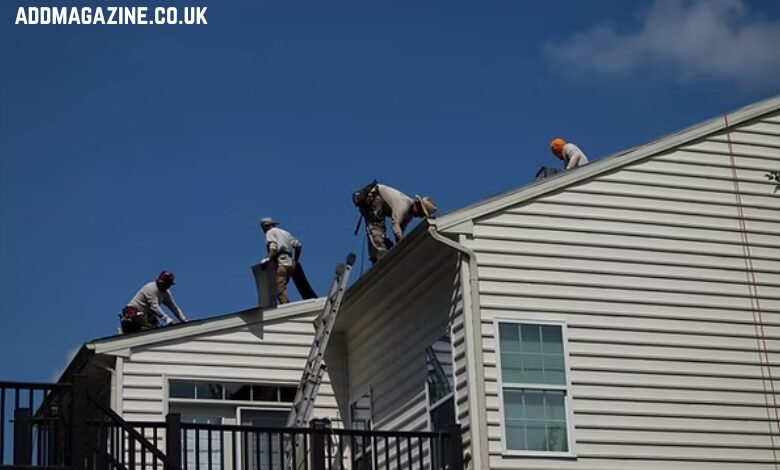
Professionals start roof restoration with a full inspection. They look for any damage, leaks, or worn materials. Cleaning comes next; workers remove dirt, moss, and debris from all surfaces.
Small repairs happen early in the process to fix cracked shingles or minor leaks. Damaged flashing gets replaced to stop water from getting inside.
Next, teams apply waterproof coatings to boost weatherproofing and durability. These special coatings seal the surface against rain and sun damage. Many restoration projects use acrylics or silicone for long-lasting performance.
Most restorations cost less than full replacements and can add up to 15 years of life to your existing roofing system. Special attention goes into making sure energy efficiency improves after work finishes.
Restoration gives your roof new strength without tearing everything down.
Certain types of roofs get better results from this process compared to others.
Best roof conditions for restoration
The restoration process works best with roofs that have minor damage. Signs of wear, like faded shingles or small leaks, can often be fixed this way. Roofs that are 10-20 years old are great candidates for restoration.
They still have strong materials but need some care to extend their life.
Flat roofs and pitched roofs in good shape benefit from restoration too. If the structure remains solid and there is no severe rot, a restoration saves money compared to replacement.
Regular inspections help find problems early and ensure the roof stays durable through different weather conditions.
What is Roof Replacement?
Roof replacement means taking off the old roof and putting on a new one. This is necessary when the roof is too damaged or worn out to fix.
When replacement becomes essential
Some roofs need replacement when they have severe damage. If the shingles are cracked or missing, water can enter your home. Signs of leaks also mean a roof is failing. Heavy wear or age can cause big problems too.
Roofs over 20 years old often require replacement rather than repair. If you have persistent issues despite repairs, it may be time to replace the whole roof. A new roof offers better durability and energy efficiency for your home.
Common signs that indicate replacement is needed
A damaged roof shows clear signs that it may need replacement. Missing or broken shingles are a red flag. These problems can lead to leaks and further damage inside your home. Large patches of moss or algae growth also indicate issues with the roof’s integrity.
Many homeowners choose roof repair services to address minor issues before they escalate into major problems.
If you see sagging areas, this means there is serious structural damage that needs attention.
Age plays a big role in determining if a new roof is necessary. Most roofs last between 20 to 25 years. If your roof is nearing the end of its lifespan, consider replacement soon. Frequent repairs can add up quickly and become costly over time.
An inspection by a professional can confirm if a full replacement is the best option for you and your home.
Cost Comparison: Restoration vs Replacement
One popular option for homeowners looking to extend their roof’s lifespan is restoration roofing, which effectively addresses minor issues before they become major problems.
Restoration often costs less than replacement. You save money now, but consider long-term benefits too.
Short-term vs long-term costs
Roof restoration costs less in the short term. It relieves immediate issues without needing a full replacement. You save money by fixing problems instead of tearing everything out.
This can be appealing if you want to keep your current roof.
Long-term costs tell a different story. A new roof might cost more upfront, but it lasts longer than a restored one. Replacement means fewer repairs and better energy efficiency over time.
New materials often have warranties that last for years, making them a smarter investment down the road.
ROI and potential savings
Roof restoration can save homeowners money. It costs less than a full roof replacement. On average, restoration may cost between $2,000 and $7,000, while replacement often ranges from $5,000 to over $30,000.
Restoring your roof also extends its life.
Homeowners can see good returns on their investments with proper maintenance and care. A well-maintained roof improves energy efficiency and reduces utility bills too. Many homebuyers appreciate a restored roof when looking for a new home.
They see it as an investment in quality and durability that enhances property value.
Key Factors to Consider
A good inspection can show if you need repair or a full replacement.
Roof age and condition
Roof age and condition play a big role in deciding between restoration and replacement. Most roofs last around 20 to 25 years, but this can vary based on materials. If your roof is near the end of its lifespan and shows signs of wear, a replacement may be necessary.
Looking for issues is important too. Cracks, leaks, or missing shingles can signal damage that needs attention. A roof inspection helps find these problems before they get worse. If your roof is still in good shape but just needs some care, restoration could be the right choice.
Now let’s look at costs for both options next.
Energy Savings and Environmental Benefits
Your roofing decision can affect both your utility bills and your environmental impact. Restoring a roof can improve indoor temperature control, helping your home stay more comfortable throughout the year. Many restoration methods include protective coatings or upgraded insulation, which can lower heating and cooling expenses over time.
There is also an environmental advantage. Restoring an existing roof reduces construction waste and limits the amount of discarded material sent to landfill sites. For homeowners who want a practical and eco-conscious option, restoration can offer lasting value without the larger cost of a full replacement.
Conclusion
Restoration can be a smart option when the structure is still solid and the damage is minor. Replacement becomes the better choice when the roof is old, badly worn, or has ongoing leak issues.
Before making a final decision, look at the roof’s age, overall condition, and long-term cost. The right choice can protect your home and improve its lifespan.