In the generative AI race, the focus has shifted from pixel quality to narrative consistency. While much of the tech world has been holding its breath for Sora’s wider rollout, ByteDance has dropped a strategic bombshell: Seedance 2.0. This isn’t just an update; it is a fundamental re-engineering of how AI understands storytelling.
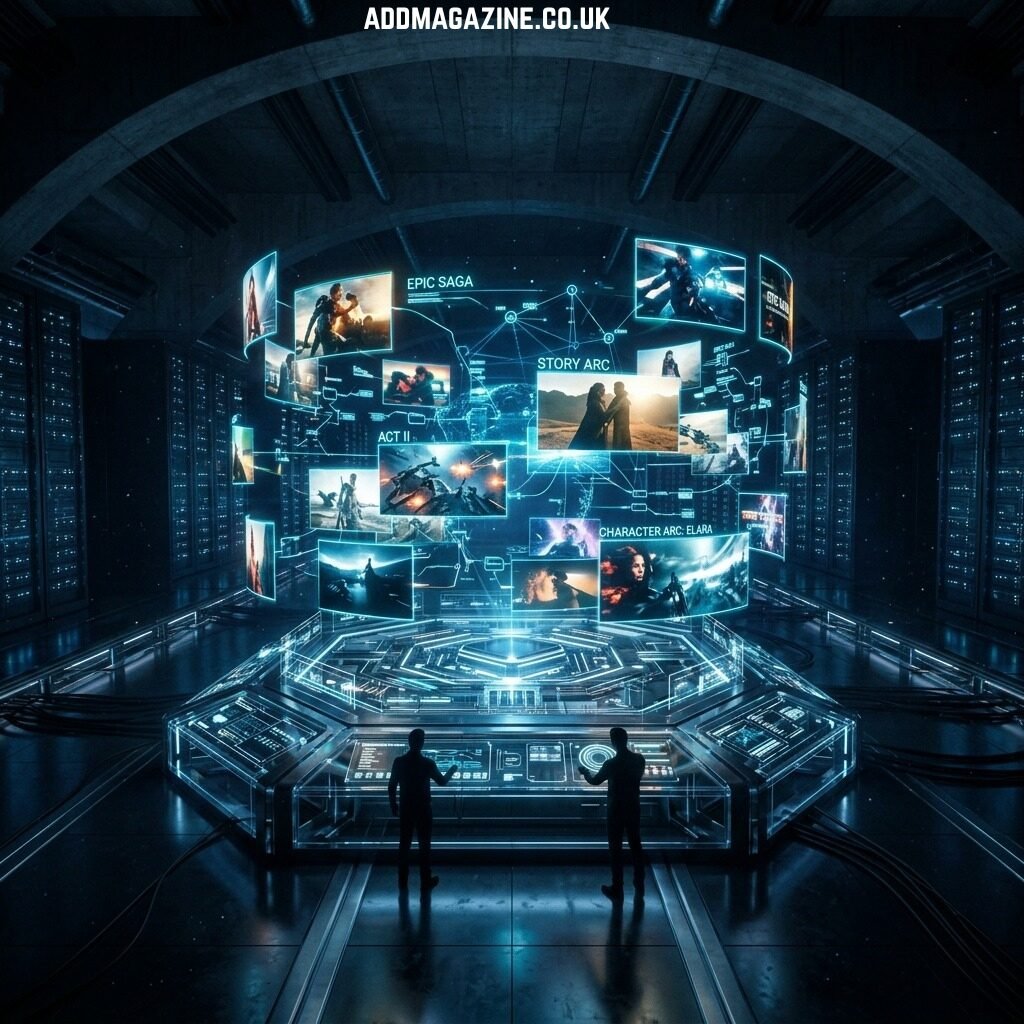
The industry has moved beyond 4-second “living photos.” Seedance 2.0 introduces a native Narrative Planner that acts like a digital storyboard artist. It doesn’t just generate frames; it orchestrates a logical sequence of shots, decomposing long-form prompts into coherent cinematic sequences with natural cuts and POV switches. If your current tool is still generating silent, disjointed clips, the reality is simple: you’ve already fallen behind the curve.
Dual-Branch DiT: The Death of Post-Sync
The technical breakthrough here lies in the Dual-Branch Diffusion Transformer (DiT) architecture. Most models “hallucinate” audio as a separate post-process, leading to the dreaded “AI lip-sync lag.” Seedance 2.0 generates video and audio in a single pass. This unified processing ensures that footsteps, ambient sounds, and complex dialogue are frame-accurate. This is the difference between an AI demo and a production-ready assets.
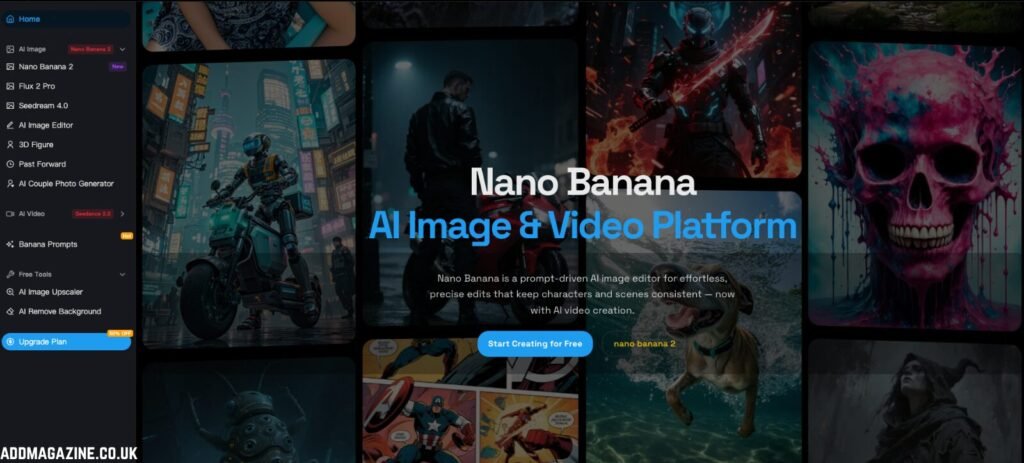
Despite the global hype, Seedance 2.0 is notoriously difficult to access. Most mainstream AI platforms are stuck in multi-month integration cycles. This scarcity has created a unique vacuum in the market—one that Nano Banana ai is moving to fill.
The Quad-Modal Advantage
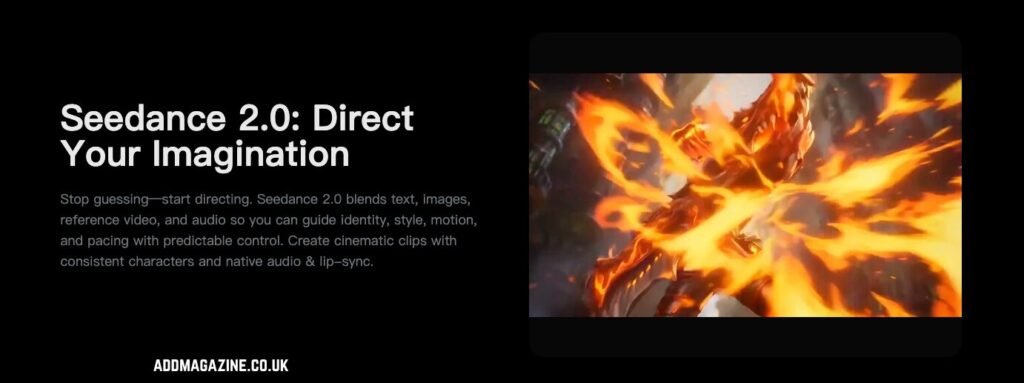
Professional filmmaking requires precision, not just luck. Seedance 2.0 supports “quad-modal” input, allowing creators to anchor their visions with multiple reference points:
- Consistency-First: Upload up to 9 character images for absolute visual stability.
- Motion Control: Use video references to dictate complex camera moves, like dolly-zooms or rack focuses.
- Audio-Driven: Feed the model a specific soundtrack or voiceover to guide the generation’s rhythm.
By preparing for the imminent launch of Seedance 2.0, certain platforms are signaling their intent to transition from simple “tooling” to becoming true AI-native production houses.
The Bridge Strategy
For creators who can’t afford to wait, the industry has developed a sophisticated “bridge strategy.” On Nano Banana, using Google’s Veo 3.1 alongside the high-fidelity Seedance 1.5 Pro serves as a powerful interim solution. Veo 3.1 offers incomparable prompt adherence and high-volume efficiency, while the 1.5 Pro delivers the foundational motion stability that made the series a favorite for cinematic purists.
Final Judgment
Seedance 2.0 is the first true “Director in a Box.” While the wider market waits for general availability, professional creators are already migrating to specialized hubs. The upcoming launch of Seedance 2.0 on specialized platforms is not just an API update; it is a tactical land grab in the new era of automated cinema.