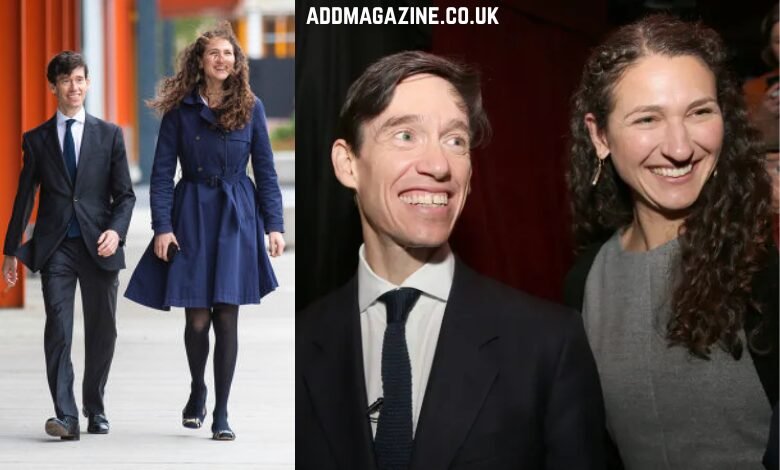
Shoshana Clark is a key figure in the world of international development and cultural preservation, known for her leadership in nonprofit organizations and her commitment to improving the lives of people in conflict-affected regions. She has garnered public attention not only for her professional work but also due to her marriage to British politician Rory Stewart. However, Shoshana Clark’s influence in the development sector extends far beyond her relationship to Stewart; her role in reshaping communities through sustainable, local-driven development projects is what truly defines her legacy.
Early Life and Education
Shoshana Clark was born and raised in the United States, although specific details about her early life remain largely private. She is known to have attended Williams College, a prestigious liberal arts institution in Massachusetts, where she completed her undergraduate studies. Her academic interests leaned toward the social sciences and community development, which later influenced her career path in humanitarian work.
After earning her degree, Clark pursued further education with an MBA from the London Business School, a decision that equipped her with the skills necessary for leadership in the nonprofit sector, where strategic planning, financial acumen, and operational management are critical.
Shoshana Clark’s Career Journey
After her education, Shoshana Clark’s professional career began in the realm of education and social outreach. She worked as a teacher in several underserved areas, including New York City and Boston, before turning her attention to international development. Her early teaching experiences helped her develop a deep understanding of educational inequalities and the systemic challenges many communities face.
Clark’s focus gradually shifted toward international development, where she aimed to make a broader impact. This shift led her to work in various countries, where she gained invaluable experience in helping underserved communities rebuild their economies, infrastructure, and educational systems.
Turquoise Mountain: A Turning Point in Her Career
One of the most significant chapters in Shoshana Clark’s career began in 2006, when she joined Turquoise Mountain, a nonprofit organization focused on cultural preservation and sustainable economic development. Founded in 2006 by Rory Stewart, along with Prince Charles and Hamid Karzai (the former President of Afghanistan), Turquoise Mountain aimed to address the economic challenges faced by Afghanistan by revitalizing its traditional crafts and restoring historic architecture.
Shoshana Clark joined Turquoise Mountain at an early stage and became a central figure in its growth. As the Managing Director of the organization, she oversaw a wide array of initiatives designed to revitalize Kabul’s historic districts while also creating sustainable livelihoods for local artisans. Her leadership role involved not just the physical restoration of buildings but also helping the local population by providing vocational training and creating a market for their traditional crafts.
Cultural Preservation and Community Development
Under Shoshana Clark’s leadership, Turquoise Mountain made significant strides in preserving Afghanistan’s cultural heritage while simultaneously fostering economic growth. The organization focused on training local artisans in traditional crafts like woodwork, calligraphy, and ceramics, which not only revitalized Kabul’s historic areas but also provided artisans with the skills necessary to succeed in global markets.
The aim was not simply to preserve the physical structure of the community but to build a thriving economy based on cultural preservation. By empowering local residents and artisans, Clark helped create long-term, sustainable jobs that would continue benefiting the community long after the project’s completion.
Her approach emphasized that development should be driven by the community itself. Rather than imposing solutions from the outside, Shoshana focused on building local capacity and ensuring that the development initiatives were grounded in the needs and aspirations of the people.
Expansion to Other Regions
Clark’s role at Turquoise Mountain expanded beyond Afghanistan. She worked on adapting the organization’s model for cultural preservation and community-driven economic development to other conflict zones in the Middle East. Her experience in these regions helped her refine Turquoise Mountain’s approach, applying lessons learned from Afghanistan to new projects.
Shoshana Clark’s Personal Life and Marriage to Rory Stewart
Shoshana Clark met Rory Stewart while both were working in Afghanistan. Stewart, who was involved with setting up Turquoise Mountain, shared Clark’s commitment to sustainable development. Their professional relationship eventually turned personal, and they married in November 2012 in a private ceremony in Scotland.
Clark and Stewart’s marriage garnered public attention due to Stewart’s role in British politics and his eventual candidacy for the position of Mayor of London. However, Shoshana Clark has largely maintained a private life, staying out of the political spotlight and focusing on her work in development.
The couple has two sons, and they have lived in various locations around the world due to their international work. Their children have been raised in a quiet, private environment, away from the public eye.
Personal Beliefs and Philosophy
Shoshana Clark’s professional philosophy is rooted in the belief that local empowerment and community-led development are the most effective ways to achieve sustainable progress. She has consistently emphasized the importance of building local capacity, especially in regions affected by conflict and poverty. Her approach to development is grounded in the idea that the most sustainable solutions arise when communities themselves are empowered to lead and make decisions about their future.
Clark also advocates for cultural preservation as a central aspect of development. Her work in Afghanistan demonstrated the profound value of preserving traditional arts and crafts as a way to not only protect cultural heritage but also build economic opportunities for local populations.
Legacy and Ongoing Impact
Shoshana Clark’s work has had a profound impact on the communities she has served. Her leadership at Turquoise Mountain, particularly in Kabul, has led to the revitalization of historic districts, the creation of thousands of jobs, and the preservation of Afghanistan’s rich cultural heritage.
Her influence extends beyond Afghanistan, as her work in the broader Middle East has set a model for cultural preservation and sustainable development. She is recognized for her ability to create meaningful change that lasts by empowering local communities, not just through aid, but by enabling them to take charge of their own development.
Conclusion
Shoshana Clark is a significant figure in the field of international development, known for her leadership in cultural preservation and community empowerment. Through her work at Turquoise Mountain, she has helped transform communities in conflict-affected regions, particularly in Afghanistan, by focusing on sustainable development practices that prioritize local involvement.
While Shoshana Clark is perhaps best known for her marriage to Rory Stewart, her true legacy lies in her dedication to humanitarian work and her deep commitment to cultural preservation and economic development. Her impact continues to be felt through the programs she has helped build, and her approach serves as a model for others in the field of international development.