
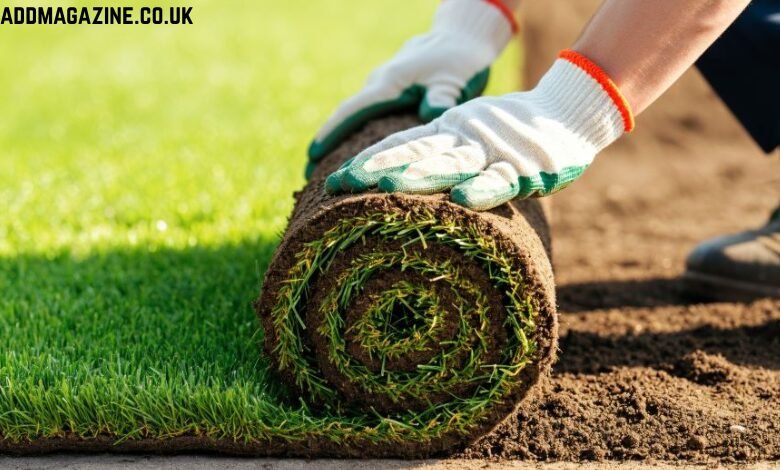
Walk through any DFW neighborhood and you will find all three types of lawn in use: lush sodded yards, patches of slowly filling seeded areas, and the occasional stretch of artificial turf that catches the afternoon sun. Each option has its advocates, and each has real trade-offs that do not always make it into the marketing materials or the advice of the contractor trying to sell you something.
After 30 years of installing and maintaining all three options across hundreds of properties in the Metroplex, here is an honest, experience-based breakdown of what each option actually delivers in North Texas conditions.
Why Lawn Choice Matters More in DFW Than in Most Markets
Before comparing the options, it is worth understanding why the choice matters so much specifically in this region. North Texas presents a genuinely challenging set of conditions for any lawn: extreme summer heat that regularly exceeds 100 degrees Fahrenheit, clay-heavy soil with poor drainage characteristics, periodic severe drought, the occasional winter ice storm or hard freeze, and a long growing season that demands a grass variety capable of thriving from April through October.
A lawn that works well in a moderate climate may fail completely in DFW if it is not built for these conditions. The choice of turf type, the quality of the installation, and the ongoing maintenance approach all matter significantly more here than they would in a milder environment. Choosing based on aesthetics alone without considering climate performance is one of the most common and expensive mistakes homeowners make.
Sod
Sod is the most popular choice for new lawn installation in the DFW Metroplex, and it earns that position for good reasons. It provides an established lawn quickly, typically taking four to six weeks to fully root and begin performing like a mature lawn. It is available in the warm-season grass varieties that perform best in North Texas conditions, most notably Bermudagrass and Zoysiagrass. And when installed correctly on a properly prepared soil base with adequate irrigation, it produces a dense, resilient lawn that handles heat and moderate drought well.
Bermuda sod is the workhorse option for DFW. It grows aggressively, recovers quickly from heat and foot traffic, and is the most drought-tolerant of the common sod varieties. Its main drawback is that it goes dormant and browns in winter, which bothers some homeowners aesthetically. Zoysia is a slower-growing alternative that stays green longer into the fall, has a finer texture, and handles shade somewhat better than Bermuda. It costs more and recovers more slowly from damage, but many homeowners prefer its appearance.
The honest downsides of sod are cost and the establishment window. Sod materials typically run $0.30 to $0.80 per square foot, plus installation, soil preparation, and irrigation setup. For a typical backyard, that adds up quickly. And the establishment period, those first four to six weeks, requires consistent and careful irrigation. Water too little and the sod dries out before it roots. Water too much and you promote shallow roots and fungal disease. That window requires attention that some homeowners underestimate.
Sod is the right choice for most DFW homeowners who want a natural lawn, need a reasonably fast result, and are prepared to maintain it properly through the seasons.
Seed
Seeding is considerably less expensive upfront than sod. The material cost is a small fraction of what sod costs, and for large areas where immediate aesthetics are not critical, it can seem like an attractive option. For overseeding thin areas of an existing lawn or filling in small bare patches, it works well and is the standard approach.
For full lawn installation in DFW, however, seeding faces real challenges that make it a less reliable choice for most residential applications. The germination window for warm-season grasses in North Texas is narrow. Soil needs to be consistently warm, ideally above 65 degrees, and moisture needs to be maintained carefully during the germination period. Seed in the wrong season and you either bake the seed in summer heat before it can establish or lose it to a cold snap in late fall.
Even with perfect timing, seeded lawns take significantly longer to reach full establishment than sod. You are looking at several months before the lawn fills in fully, during which it is vulnerable to weed competition, erosion, and inconsistent coverage. DFW’s clay soil, which compacts easily and repels water when dry, makes the germination environment less forgiving than it would be in a more porous soil type.
For a homeowner on a tight budget who is patient and willing to put in the maintenance work during establishment, seed can succeed. For homeowners expecting a reasonably quick, reliable result on a primary lawn area, sod is almost always the better investment.
Artificial Turf
Artificial turf has improved dramatically in the past decade. Products available today look considerably more realistic than the bright green carpet that defined previous generations of synthetic grass, and in specific applications the return on investment is compelling.
The situations where artificial turf makes the most sense in DFW include consistently shaded areas where natural grass cannot get enough sunlight to survive, high-traffic play or pet areas where natural turf gets worn down repeatedly, small accent zones around pools or in courtyards where irrigation and mowing are impractical, and rooftop or balcony spaces where a natural lawn is not possible. For homeowners who have fought repeatedly to keep natural grass alive in a specific problem area and lost every time, artificial turf solves the problem permanently.
The upfront cost is the highest of the three options, typically ranging from $8 to $15 per square foot installed depending on the product quality and the scope of base preparation required. No mowing, no fertilizing, no irrigation, and no reseeding. For homeowners who calculate the total cost of lawn care over a 10 to 15 year period, including water bills, lawn service, and periodic renovation, artificial turf can compare favorably.
The honest trade-offs are heat and feel. Artificial turf in direct Texas afternoon sun can reach surface temperatures well above 150 degrees Fahrenheit, which makes it unusable and potentially dangerous during peak summer hours unless the area is shaded. It also requires periodic brushing to keep the fibers upright and rinse cleaning to manage odors, particularly in pet areas. It does not feel like natural grass underfoot, which matters to some homeowners and not at all to others.
How to Make the Decision
The right choice depends on three practical factors: budget, use case, and maintenance tolerance. If you want a traditional, natural-looking lawn and are willing to maintain it through DFW’s challenging climate, sod with a heat-tolerant variety like Bermuda or Zoysia is the standard and generally reliable choice. If you have a large area to cover on a limited budget and are patient with the establishment timeline, seed with proper soil prep and timing can work. If you have a specific problem area where natural grass has repeatedly failed, or a use case that demands something more durable and low-maintenance, artificial turf is worth serious consideration.
Whatever you choose, the foundation work matters as much as the product. A premium sod installation on poorly graded, unamended clay soil will underperform. Soil preparation, proper grading, and a functioning irrigation system are prerequisites for any lawn type to succeed in this climate.
Frequently Asked Questions
What is the best grass variety for DFW?
For full sun areas, Bermuda is the most heat and drought tolerant. For areas with partial shade or where a finer texture is preferred, Zoysia performs well. Both are superior to St. Augustine for full-sun DFW applications in terms of drought and heat tolerance.
How long does artificial turf last?
Quality artificial turf installed properly typically carries a manufacturer warranty of 10 to 15 years and can last longer with proper care. UV exposure is the primary factor in long-term degradation, so product quality matters significantly.
About Streamline Landscape
For more than 30 years, Streamline Landscape has helped homeowners across the DFW Metroplex design, install, and maintain lawns built specifically for North Texas conditions.
We believe the foundation determines the outcome. Proper grading, soil preparation, drainage planning, and irrigation design are at the core of every project we complete. Whether you are building a new lawn from scratch, renovating a struggling yard, or combining natural grass with artificial turf for a hybrid solution, our recommendations are based on real-world performance in DFW neighborhoods — not sales trends.
Business Name: Streamline Landscape
Address: 6516 Colleyville Blvd, Colleyville, TX 76034
Phone number: (817) 701-8920