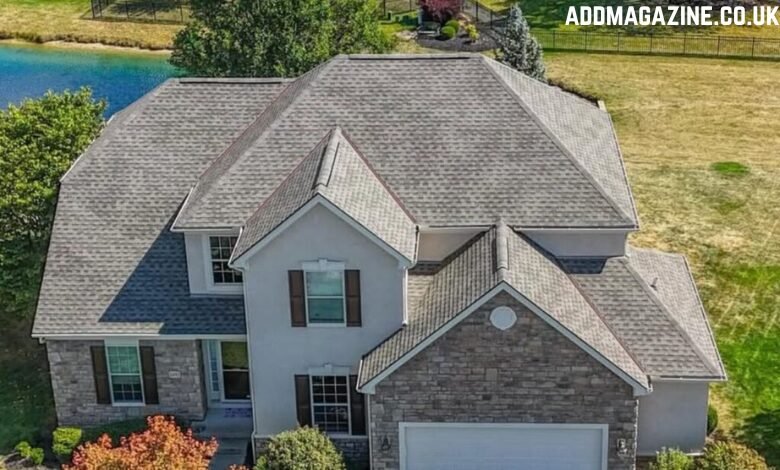

Splitting a house into two flats has become a popular UK property strategy, allowing owners to increase rental income, boost property value, or create flexible living arrangements. By using tools such as a reliable rent guarantee. landlords can secure consistent rental income, making the conversion process even more financially attractive.
What Does It Mean to Split a House Into Two Flats?
A house-to-flat conversion involves transforming a single residential property into two fully self-contained dwellings. Each flat must have its own kitchen, bathroom, living area, and independent access to qualify as a separate unit. The terraced houses are more suitable for splitting and offer a financially sound way to meet housing demand in urban areas, boosting value and rental yield by dividing a single property into multiple flats.
When done correctly, this type of conversion can significantly increase both income and overall property value. Using professional property management while splitting ensures smooth tenancy management and reduces risks for landlords.
Step-by-Step Process to Split a House Into Two Flats
Evaluate your property’s suitability before committing resources. Not all houses are suitable, and understanding space, access, and layout limitations can save time and money.
Phase 1: Initial Assessment
Most successful conversions involve properties of at least 100–120m². Key factors include:
- Space for two compliant flats
- Potential for separate entrances
- Ability to install kitchens and bathrooms
- Local demand for flat
- Research local planning policies and rental values to confirm financial viability before committing.
Phase 2: Professional Advice
Engage specialists early to ensure a smooth conversion. An architect designs layouts and handles planning, a structural engineer checks safety, a building surveyor monitors costs and compliance, and a planning consultant navigates local regulations. A rent guarantee scheme provides additional financial security for landlords.
Phase 3: Permissions and Space Standards
Planning decisions usually take 8 to13 weeks, though complex applications may take longer. Many UK councils strictly apply the Nationally Described Space Standard (NDSS), which sets minimum internal sizes for converted flats to ensure safe, comfortable living conditions.
Nationally Described Space Standards (NDSS)
The NDSS defines minimum gross internal area requirements for new dwellings and many conversions. Typical standards include 50m² for a one-bed flat, 61m² for a two-bed three-person flat, and 70m² for a two-bed four-person flat.
Consequences of Non-Compliance
Failure to meet NDSS requirements can result in planning refusal, even when building regulations are fully satisfied. Councils increasingly reject undersized flats to protect housing quality and prevent the creation of substandard living accommodation.
Essential Requirements for Each Flat
Each flat must be fully self-contained, including its own kitchen facilities, bathroom, dedicated living and sleeping areas, and independent access. Shared facilities are generally not permitted for standard residential flat conversions.
Benefits of Converting a House Into Two Flats
The idea to split a house into two flats can generate higher income, increase resale value, and reduce investment risk. It also offers flexible living arrangements, allowing homeowners to live in one flat while renting the other or accommodating multi-generational families.
Increased Rental Income
Two apartments usually yield 40–60% higher rental returns compared to a single detached home. This improved cash flow can accelerate mortgage repayment and improve long-term returns.
Higher Property Value
Converted properties often achieve a higher combined value than the original house. Two saleable units appeal to a wider buyer pool, including investors and owner-occupiers.
Reduced Investment Risk
With two units, void periods are less risky. If one flat is empty, the other can still generate income, protecting your cash flow.
Flexible Living Options
Many homeowners live in one flat and rent the other, allowing them to stay in their home while generating income. This arrangement is also ideal for multi-generational families.
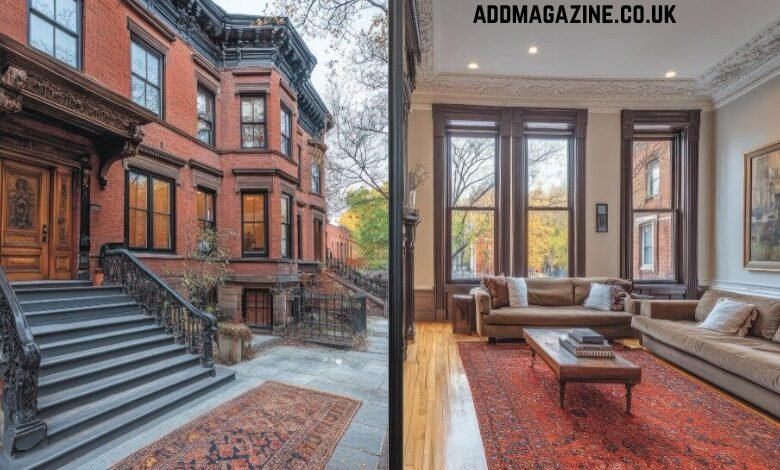
Legal Requirements for House-to-Flat Conversions
Conversions must comply with planning rules, building regulations, and sometimes HMO licensing. Failing to follow these legal requirements can result in fines, planning refusal, or safety issues.
Planning Permission
In most cases, the idea to split a house into two flats requires full planning permission, as it constitutes a material change of use. You’ll need to submit detailed plans covering layouts, access, fire safety, parking, and waste storage.
Some councils restrict conversions to protect family housing stock, and Article 4 Directions may remove permitted development rights in certain areas. Pre-application advice is strongly recommended.
Building Regulations
Building regulations approval is mandatory and covers:
- Fire safety (fire doors, alarms, escape routes)
- Sound insulation between flats
- Ventilation and energy efficiency
- Structural safety and ceiling heights
| Regulation Category | Requirements |
| Fire Safety | Fire doors, escape routes, smoke alarms, and fire-resistant materials |
| Sound Insulation | Minimum acoustic performance between flats |
| Ventilation | Adequate airflow in all habitable rooms |
| Energy Efficiency | EPC rating, insulation standards, heating systems |
| Structural Safety | Load-bearing walls, staircase compliance, and ceiling heights |
HMO Considerations
If either flat is rented to three or more unrelated occupants, an HMO licence may be required, depending on local council rules.
Common Layout Options
House-to-flat conversions typically use vertical splits, horizontal splits, or mixed layouts. The most suitable option depends on the existing structure, available entrances, and the ability to meet space, access, and fire safety requirements.
Vertical Split (Upstairs / Downstairs)
A vertical split converts the ground floor and upper floor into separate flats. This approach suits larger houses and may require a shared entrance or external staircase to provide compliant independent access.
Horizontal Split (Side-by-Side)
Horizontal splits divide the property into two side-by-side flats, often along an existing party wall. This layout works well for wider or semi-detached properties and can simplify access and service separation.
Mixed Layouts for Awkward Floor Plans
Mixed layouts combine elements of vertical and horizontal splits. One flat may span multiple floors while the second occupies a single level, helping maximise space in properties with unconventional layouts.
Construction and Compliance
All work must follow building regulations and be inspected at key stages to ensure safety, quality, and legal compliance before completion.
Fire Safety
Essential requirements include 30-minute fire doorsInterlinked smoke alarmsFire-resistant separation between flatsProtected escape routesEmergency lighting in shared areas
Sound Insulation
Regulations require a minimum acoustic performance between flats. Solutions include acoustic plasterboard, mineral wool insulation, and floating floors.
Utilities Separation
Each flat should have separate electricity meters and consumer units, independent heating systems, separate broadband access, and individual gas and water metering where possible
Construction Timeline
The typical build time is 3 to 6 months, although complex projects may take longer.
Common Challenges in Splitting a House
- Meeting minimum space standards in smaller properties
- Creating independent access, especially for upper floors
- Meeting parking requirements set by local councils
Careful design and early planning consultation can reduce these risks.
Financing Your Conversion
Standard residential mortgages usually prohibit conversions. Common alternatives include:
- Development or bridging finance
- Buy-to-let mortgages
- Commercial mortgages
- HMO mortgages (where applicable)
Always include a 10 to 20% contingency for unexpected costs such as structural issues or upgraded fire safety requirements.
Tax Implications In Splitting a House into Two Flats
- Capital Gains Tax: Converting your main residence can reduce or remove Private Residence Relief.
- Rental Income Tax: Rental profits must be declared, with allowable deductions.
- Stamp Duty: Future buyers may face higher rates on multi-unit properties.
Professional tax advice is strongly recommended before proceeding
Conclusion
The process to split a house into two flats is a strategic way to increase rental income, boost property value, and create flexible living arrangements. Success depends on careful planning, compliance with planning and building regulations, and realistic budgeting.
By engaging experienced professionals, meeting space and safety standards, and researching local demand, homeowners can unlock the full potential of their property, ensuring long-term returns and contributing to the local housing supply. Properly executed, a house-to-flat conversion is both financially rewarding and practical for modern UK property owners.
FAQs
- Do I need planning permission to split a house into two flats?
Yes, in almost all cases. Converting a single dwelling into two self-contained flats is classed as a material change of use and requires full planning permission from your local council.
- How long does it take to split a house into two flats?
The full process typically takes between six and twelve months, including planning approval, building regulations, design work, and construction, depending on complexity and local authority response times.
- Can I live in one flat and rent out the other?
Yes. Many homeowners live in one flat and rent the second, providing extra income while remaining in their home, provided both flats meet legal separation, fire safety, and utility requirements.
- Will my existing mortgage allow me to split a house into two flats?
Most residential mortgages do not allow flat conversions without lender consent. You may need to remortgage to a buy-to-let, commercial, or development finance product before starting work.
- What happens to council tax after the conversion?
Each self-contained flat is assessed separately by the Valuation Office Agency and assigned its own council tax band, meaning two council tax bills instead of one.
- Is converting a house into two flats always profitable?
Not always. Profitability depends on location, build costs, planning restrictions, and rental demand. A feasibility study is essential to ensure conversion costs justify the expected income and value increase.