Air conditioning is a cornerstone of modern home comfort, providing relief from heat and humidity while improving indoor air quality. When an air conditioning system malfunctions, it can quickly disrupt daily life, reduce energy efficiency, and even cause long-term damage to your home if left unchecked. Because HVAC systems are intricate assemblies of mechanical, electrical, and refrigerant components, understanding when a repair is necessary, what it may cost, and when to call a professional is crucial for every homeowner. This comprehensive guide explores the most common air conditioning problems, early warning signs, repair costs, and actionable strategies to maintain system performance, extend the lifespan of your unit, and ensure reliable comfort throughout the year.
How Air Conditioners Work and Why Proper Maintenance Matters
Air conditioning systems function by removing heat from your home and transferring it outdoors, while simultaneously circulating conditioned air through your living spaces. The system relies on several key components, including a compressor that pressurizes refrigerant, an evaporator coil that absorbs heat, a condenser coil that releases heat, and a blower fan that circulates cooled air through ductwork or individual rooms. In addition to temperature control, most systems also help manage indoor humidity and filter airborne particles. When any of these components experience wear, obstruction, or failure, the entire system can become less efficient, potentially resulting in uneven cooling, higher energy bills, or complete breakdowns. Regular maintenance, such as cleaning filters, inspecting coils, and checking refrigerant levels, is essential to prevent small problems from escalating into major repairs.
Common Signs That Your Air Conditioner Needs Repair
Recognizing the early signs of air conditioning issues allows homeowners to address problems before they become costly. One of the most noticeable indicators is unusual noise during operation, such as grinding, squealing, or banging, which may originate from worn motors, loose components, or failing bearings. Another common sign is weak or inconsistent airflow, often caused by clogged filters, obstructed ductwork, or a failing blower motor, which forces the system to work harder to achieve the desired temperature. Warm air blowing from the vents when the thermostat is set to cooling can indicate low refrigerant, compressor malfunction, or leaks, all of which require professional attention. High indoor humidity is also a warning sign, as properly functioning air conditioners remove moisture from the air; persistent humidity may signal refrigerant or evaporator coil issues. Frequent cycling on and off, known as short cycling, can result from thermostat problems, improper system sizing, or electrical issues, while unexpected spikes in energy bills may indicate declining efficiency due to dirty components or mechanical wear. Finally, water leaks around the indoor unit or excessive condensation indicate clogged drain lines or frozen evaporator coils, both of which should be addressed immediately to prevent damage to flooring and walls.
Factors That Influence Air Conditioning Repair Costs
Understanding the factors that affect repair costs helps homeowners budget for unexpected expenses. One of the primary considerations is the age of the system, as older units tend to have worn components, parts that may be harder to find, and greater susceptibility to frequent failures. The type of problem also plays a significant role, with minor repairs such as thermostat replacement or unclogging drain lines generally costing less than major repairs involving compressors or refrigerant leaks. The level of expertise required for the repair can influence pricing as well; highly trained, licensed technicians may charge more for their knowledge and experience but provide a higher likelihood of accurate diagnostics and long-term solutions. Warranty coverage may offset some costs, but homeowners should carefully review the terms, as labor and certain components may not be included. Seasonal demand can also impact pricing, with peak summer months often resulting in higher service fees due to increased demand. Additionally, the location and accessibility of the system can affect labor costs, especially if the unit is in a difficult-to-reach area or requires additional safety precautions for the technician.
Typical Air Conditioning Repair Costs Homeowners Should Expect
While prices vary by region and service provider, there are general cost ranges for common air conditioning repairs. Thermostat replacement typically costs between $100 and $300 for basic models, while smart thermostats can be higher. Recharging refrigerant may cost anywhere from $150 to $600 depending on the system size and type of refrigerant required. Fan motor replacement generally ranges from $300 to $700, while capacitor or contactor replacement often falls between $100 and $350. One of the most expensive repairs, compressor replacement, can range from $1,000 to $2,500 or more depending on the system configuration and labor requirements. These estimates are meant to provide a reference, but homeowners should always request a written estimate with a detailed breakdown of parts, labor, and warranties before proceeding with any repair to ensure clarity and avoid unexpected expenses.
When to Tackle AC Repairs Yourself and When to Hire a Professional
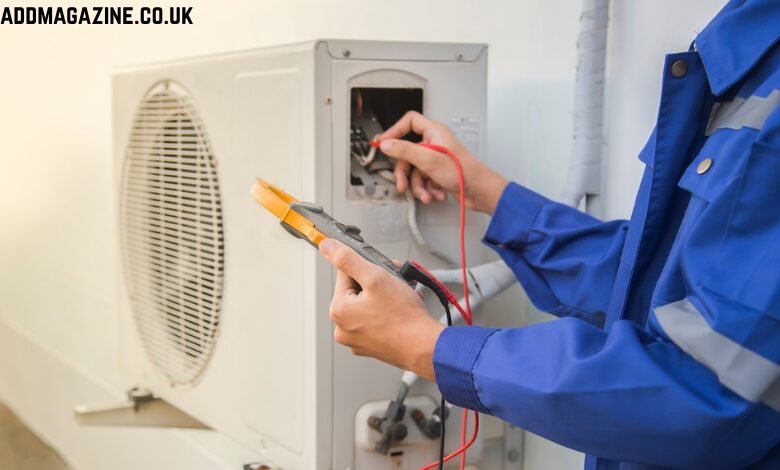
Many homeowners wonder which AC issues can be safely addressed without professional help. Simple tasks such as replacing or cleaning air filters, clearing debris around outdoor units, checking thermostat settings, or resetting the system can typically be completed safely. However, most repairs, particularly those involving refrigerant, electrical components, ductwork, or internal mechanical parts, require professional training and certification to ensure safety and compliance with regulations. Attempting complex repairs without proper expertise can lead to further damage, personal injury, or voided warranties. Professionals possess specialized tools, diagnostic equipment, and experience that allow them to identify underlying issues and implement effective, lasting solutions.
Proactive Care to Minimize AC Repairs
Regular air conditioning maintenance is vital for preventing unexpected breakdowns and reducing repair costs. By scheduling biannual check-ups before the cooling season begins and at the end of it, technicians can thoroughly assess the system, clean critical components, and replace any parts that show signs of wear. Changing air filters regularly is one of the simplest yet most effective ways to maintain your system, as dirty filters reduce airflow, impair efficiency, and force the system to work harder. Clearing the space around your outdoor unit ensures that air circulates properly, helping the system run more efficiently. Monitoring system performance and listening for any changes, like temperature fluctuations or strange noises, can help you detect problems early. Additionally, improving insulation, sealing ducts, and reducing solar heat gain through your roof or windows can reduce the stress on your AC, saving energy and extending the system’s life.
When to Opt for Replacement Over Repair
Although repairs can extend an air conditioning system’s life, frequent breakdowns are often a sign that it’s nearing the end of its useful lifespan. If your AC unit is over 10 years old and constantly requires repairs, it may be more cost-effective to replace it. Rising energy bills despite repairs are another strong indication of a failing unit that cannot operate at optimal efficiency anymore. Persistent comfort issues, such as uneven cooling or high humidity, that continue after repairs may also suggest that replacement is the better option. Investing in a modern, energy-efficient unit can offer better long-term savings, improved air quality, and reduced maintenance costs.
Selecting the Right HVAC Professional
Choosing the right HVAC technician is crucial to ensuring that repairs are done correctly. It’s essential to find licensed and insured professionals with a solid reputation and positive feedback from customers. A reliable technician will explain the issue in simple terms, offer multiple solutions, and provide a detailed written estimate before performing any work. Avoid contractors who pressure you into unnecessary repairs. Key questions to ask include technician certifications, warranty coverage, emergency service availability, and maintenance plan options. A good HVAC service provider will prioritize your system’s efficiency and safety while ensuring repairs are completed correctly and promptly.
About Penguin Air, Plumbing & Electrical
Whether it’s repair, maintenance, or installation, their team ensures that every job is completed with the utmost professionalism and attention to detail. With a commitment to long-term system efficiency, Penguin Air, Plumbing & Electrical guarantees that your home’s comfort is managed safely and reliably.
Frequently Asked Questions
How long does an AC repair take?
Simple repairs like thermostat replacements or clearing blockages can often be done in less than an hour, while more complex issues like refrigerant leaks or compressor failures may take several hours. A technician will give you a more accurate time estimate after diagnosing the problem.
Can I repair my air conditioner myself?
While homeowners can handle basic maintenance tasks like changing filters or resetting the system, more complicated repairs—especially those involving refrigerant, electrical components, or internal mechanical parts—should be handled by a trained professional to ensure safety and avoid violating local regulations.
Why is my AC turning on and off frequently?
Frequent cycling (short cycling) could be caused by thermostat malfunctions, low refrigerant, airflow restrictions, or system mis-sizing. This can cause additional wear and should be addressed promptly to avoid further damage to the system.
How often should I service my air conditioner?
It’s recommended to have your AC serviced twice a year—once before the cooling season and once after. Regular servicing improves system efficiency, extends its lifespan, and helps catch any issues before they become major problems.
Should I repair or replace my old air conditioner?
If your AC is over 10 years old and requires frequent repairs, it’s often more economical to replace it with a new, energy-efficient model. A modern unit will provide better performance, lower energy costs, and reduced need for repairs in the long term.
Maintaining Comfort Through Professional AC Care
Recognizing early signs of AC issues and committing to regular maintenance can help homeowners avoid costly repairs and maintain consistent comfort throughout the year. Working with professionals like Penguin Air, Plumbing & Electrical ensures that your air conditioning system is well-maintained and operating at peak efficiency. With expert diagnostics, reliable repairs, and ongoing preventive care, you’ll enjoy peace of mind and optimal comfort, even during the hottest months.
Business Name: Penguin Air, Plumbing & Electrical
Address: 3710 E University Dr # 1, Phoenix, AZ 85034
Phone Number: (480) 525-5400