Schedule coordination, vendor management, regular contact with attendees — a lot goes into planning even a single event. And now that technology has developed and the world keeps moving faster, the expectations for a smooth service are commonplace. Clients and attendees require smooth registration, no delays in communication, and a professional online experience all the way through.
For this reason event planners need to equip themselves with a proper set of digital tools. The right selection saves time, reduces stress, and lets planners deliver results better and faster, even with limited resources.
In this post, we will list types of essential digital tools every event planner must consider for their business, and explain how each of them contributes to successful events.
Event Planning and Task Management Tools
Everything starts with a plan. For events, this plan typically consists of dozens, perhaps even hundreds, of tasks to complete before the event date. Numbers this high require a reliable system, as without it deadlines and key details are easier to miss.
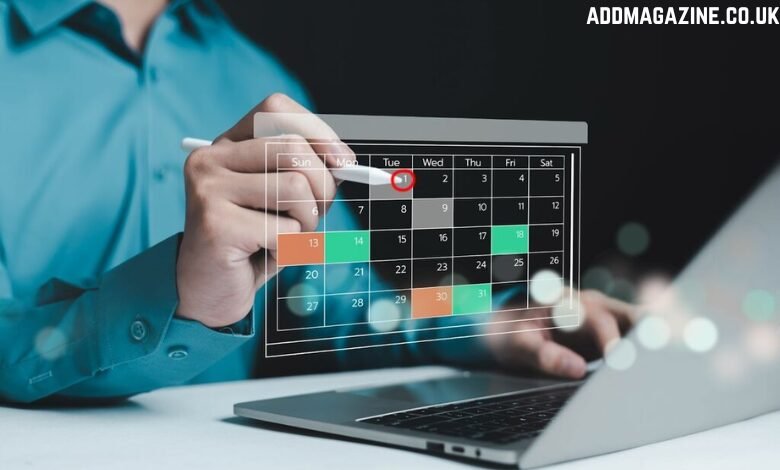
Task management tools help planners break large projects into smaller, manageable steps. They include functions such as task lists, team member assignment, deadline settings, and progress tracking — all accessible and visible in one place, making it easier to stay on schedule.
For event planners collaborating with teams or vendors, these tools prove especially useful. With their help every involved party knows what needs to be done and when, which in turn smoothens the planning process by mitigating the risk of miscommunication.
Registration and Attendee Management Platforms
It is easy to get overwhelmed with manual registration management, especially for events with high estimated attendee count. Digital registration tools add elements of automation to the process, as they let attendees sign up, and receive confirmations or updates without additional effort from the planners.
These platforms collect attendee information, manage ticket types, and track attendance — all done in real time. This reduces no-shows and saves hours of time a planner would have otherwise needed to spend on manual follow-ups.
Communication and Email Marketing Tools
Communication is one of those aspects an event planner should never neglect. Attendees trust that all information about the location, event schedule, and changes, will be sent to them in a timely manner. Same goes for vendors, as without clear instructions their work may not match expectations.
This is where email marketing and communication tools come into play. They let planners send professionally written and formatted messages to whole groups instantly, although there is also a choice of scheduling them in advance.
Segmenting email lists is particularly helpful when a contact list gets long. For example, different messages can be sent to speakers, attendees, and volunteers. This ensures that the information sent is fully relevant to involved individuals, and avoids bloating the message with redundant content.
Website and Online Presence Tools
While it is reassuring to have event information provided through an e-mail, that too can get lost in the recipient’s mailbox. For that reason, it is wise to have a central place for people to find accurate data about the event, contact, or schedule. Just knowing that there is a specific URL meant to mention that specific information can be comforting for the attendees.
While building an entire website for that purpose may sound complicated or costly, the currently existing tools make that process both simple and affordable. Event planners can create professional event planning websites in just minutes, without ever learning about web coding or design. That is all thanks to AI website generators, creating sites tailored to each business’s needs.
Dedicated event planning business website improves credibility, while allowing the attendees to find answers to most common questions in one place.
Collaboration and File Sharing Tools
As we already established, each planned event involves working with a lot of people. This includes clients, vendors, speakers, and internal teams. While data can be shared through email, it can get easily lost, and outdated document versions can get confused for the recent ones.
This problem can be solved with tools for file sharing, as those let planners work with a shared space for their documents. At the same time, everyone with the access will find the same files, ensuring consistency and reducing errors.
What should be also noted is that such tools allow for collaboration in real time. Team members can leave comments in order to suggest changes, which adds a new layer to an already ongoing mutual communication, leaving less room for misunderstandings.
Budgeting and Expense Tracking Tools
Each professional event planner respects the budget limitations. However, manually tracking expenses often becomes a challenge on its own. With a lot to consider there is also a high chance for miscalculations.
Staying within the budget is simpler with expense tracking tools. Planners can use those to monitor all completed and estimated payments, and compare actual expenses to the planned budget. These insights help prevent overspending and provide key data for the financial reports.
With clear and accurate budget tracking, event planners strengthen the client’s trust. Their ability to present organized expense records proves their professionalism and high sense of responsibility.
Post-Event Feedback and Analytics Tools
Even if events reach their end, the dialogues around them will continue for days, if not months. For event planners it creates an opportunity to gather feedback and learn about the general impressions in order to improve their future projects.
Planners should consider digital feedback tools as a way to gather responses (through e.g. surveys) and analyze them. Feedback can cover either specific aspects of the event like organization or content quality, or overall experience.
Even more insights can be gained from analytics tools, which track metrics such as registration or attendance rates. With all gathered data the planners can understand what worked and which areas need improvements. Over time, this data leads to better planning decisions and stronger results.
Conclusion
Event planning can be easily perceived as demanding. However, in current online landscape planners have plenty of convenient tools to choose from, making their work not just possible, but more productive and perhaps even enjoyable.
Available tools help with nearly each part of the project — planning, registration, contacting, budgeting, analysis, gathering feedback. You name it, and there is likely a tool for it. With all of them combined, event planners are set to organize successful and stress-free events constantly.
Embrace them, and your business’s growth accelerates. Ignore them, and your competition will be at an advantage.