For years, digital transformation has been at the top of the business agenda. Organisations across every sector have invested heavily in cloud platforms, automation and digital customer experiences.
Yet one area that often lags is business communications – particularly when it comes to print and post.
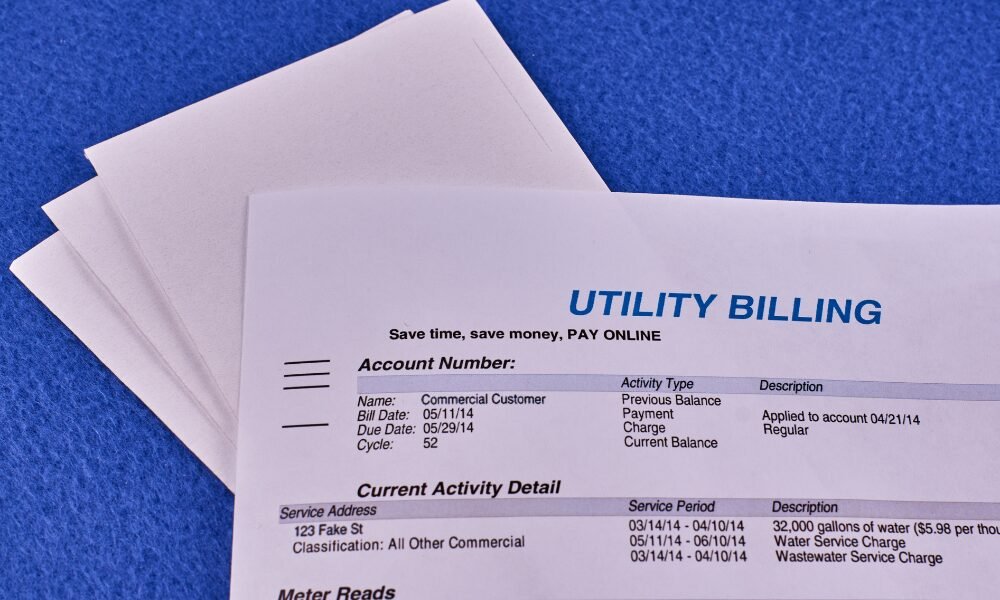
Invoices, statements, regulatory notices and customer correspondence still need to be sent every day. For many organisations, the process behind these communications remains surprisingly manual, relying on internal printers, envelope insertion and time-consuming administrative work.
As businesses continue to look for ways to improve efficiency and reduce operational costs, the way they manage communications is increasingly coming under review.
Why Print Still Matters
Despite the growth of digital channels, printed communication continues to play an important role in many industries.
Financial documents, legal notices and official correspondence often require the reliability and formality of physical mail. In some cases, printed documents are also more likely to be read and retained than digital messages, particularly when the communication is important.
For businesses, this creates a challenge – how to maintain reliable printed communications while still embracing digital efficiency.
The Shift Toward Hybrid Solutions
To solve this challenge, many organisations are adopting what’s known as hybrid mail – a system that combines digital workflows with outsourced printing and mailing.
Instead of printing and posting letters internally, businesses can upload documents digitally to a secure platform. From there, the documents are customised with your customers’ data, printed, packaged and mailed by a specialist provider.
This approach removes much of the manual work traditionally associated with business mail while maintaining the benefits of physical communication.
For organisations sending regular customer correspondence, hybrid mail can significantly streamline operations while improving accuracy and reliability.
Efficiency Through Automation
One of the biggest advantages of modern communication systems is automation.
Documents can be generated automatically from CRM systems, billing platforms or internal databases and then sent directly into a mailing workflow. Address validation, tracking and reporting can all happen in the background, reducing the risk of errors and improving visibility over communications.
For operations teams, this means fewer manual processes and more predictable, reliable workflows.
Reducing Operational Pressure
Another reason businesses are rethinking their approach to print and mail is the operational burden it creates internally.
Office printers, consumables, postage management and document handling all require staff time and resources. During busy periods, these processes can create bottlenecks that slow down communication with customers.
By outsourcing fulfilment to specialist mailing providers, businesses can remove this operational pressure while maintaining complete control over their communications.
Specialist mailing providers such as Integrity Connect offer secure, scalable solutions designed to help organisations manage their communications more efficiently. By combining digital technology with professional mailing infrastructure, businesses can send important documents quickly and reliably without relying on internal resources.
Supporting Sustainability Goals
Sustainability is another factor driving change in business communications.
Centralised production facilities can optimise print runs, reduce paper waste and consolidate mail volumes, helping to lower the environmental impact compared with multiple organisations managing print and post independently.
For companies working toward environmental targets, modern communication systems can contribute to broader sustainability goals.
A Smarter Approach to Business Communication
As organisations continue to streamline their operations, communication processes are becoming an increasingly important area for improvement.
By combining digital workflows with specialist mailing services, businesses can maintain the reliability of physical mail while benefiting from the efficiency and scalability of modern technology.
For many organisations, the future of business communications isn’t about choosing between digital or print – it’s about finding smarter ways to combine the strengths of both.