
The fitness landscape is continuously transforming, with new trends and methodologies shaping the way we train. Over the past decade, consumers have moved from traditional gym memberships toward more specialized, experience-driven training environments. High-Intensity Interval Training (HIIT), functional fitness, and boutique studios have reshaped expectations around efficiency and results. Yet as awareness grows around injury prevention, longevity, and sustainable performance, a new standard is emerging. The future of high-intensity workouts is not simply about pushing harder—it is about training smarter.
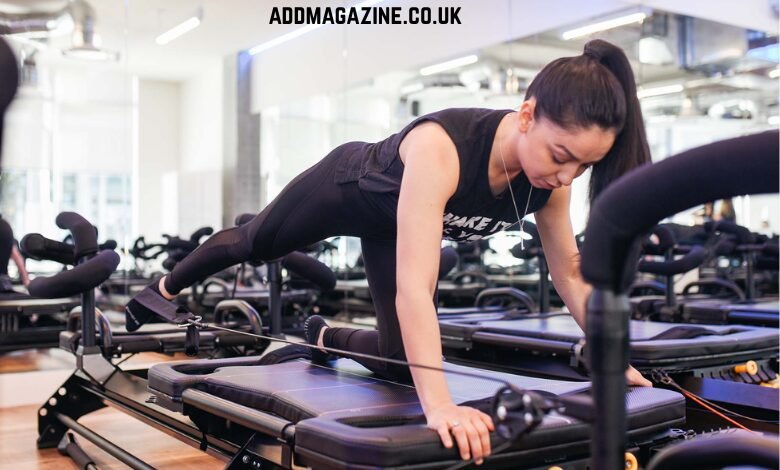
One methodology increasingly associated with this shift is the Lagree method. Combining slow, controlled resistance training with continuous muscular tension, it offers a hybrid approach that bridges strength, endurance, balance, and core stability. In London’s competitive wellness landscape, Lagree London has become a prominent example of how this model can redefine full-body fitness for modern urban professionals.
The Evolution of High-Intensity Training
Traditional HIIT programs gained popularity because they promised rapid results in minimal time. Short bursts of explosive movement, elevated heart rates, and calorie burn dominated fitness marketing. While effective for cardiovascular conditioning and fat loss, such programs can place repetitive stress on joints and connective tissue. Over time, many participants began seeking alternatives that maintained intensity without compromising structural integrity.
This shift has coincided with greater public awareness of biomechanics, muscle activation patterns, and the importance of controlled eccentric loading. Fitness is no longer only about aesthetics; it is about performance, posture, metabolic health, and injury resilience. The next phase of high-intensity training integrates resistance, tempo control, and precision to create systemic adaptation rather than short-term fatigue.
What Makes the Lagree Method Different?
At first glance, Lagree sessions may resemble reformer Pilates. However, the physiological objectives differ significantly. The Lagree method is designed around constant time under tension, ultra-slow movements, and immediate muscular failure within a controlled framework. Instead of relying on momentum or plyometric impact, participants move slowly through each phase of an exercise, maintaining sustained resistance throughout.
This creates several performance benefits:
- Full-body muscular recruitment: Exercises are structured to engage multiple muscle groups simultaneously, improving functional strength.
- Low-impact intensity: Because movements are slow and controlled, joint strain is minimized while muscular load remains high.
- Metabolic demand: Continuous tension elevates heart rate without explosive movement, delivering both strength and cardiovascular conditioning.
- Core-centric stabilization: Nearly every movement integrates deep core activation, enhancing balance and posture.
In dense metropolitan areas like London, where professionals often juggle demanding schedules, this model appeals to those seeking maximum efficiency without sacrificing recovery.
Efficiency for the Modern Lifestyle
Urban professionals frequently cite time constraints as their primary barrier to consistent training. A workout that simultaneously builds lean muscle, enhances endurance, and supports joint health becomes highly attractive. The Lagree format typically delivers a comprehensive full-body stimulus within 45 to 50 minutes.
Unlike conventional split routines—where upper and lower body are trained on separate days—Lagree’s integrated programming ensures every session addresses multiple kinetic chains. This means fewer weekly sessions are required to achieve balanced muscular development.
Studios such as Lagree London have capitalized on this efficiency-driven demand. Their programming aligns with contemporary fitness priorities: measurable results, structured progression, and evidence-based methodology. The approach resonates particularly with individuals seeking a long-term training solution rather than a short-lived fitness trend.
The Science of Time Under Tension
One of the defining principles behind Lagree is extended time under tension (TUT). In resistance training science, TUT refers to the total duration a muscle remains under strain during a set. Research indicates that longer TUT can enhance muscular hypertrophy, endurance, and neuromuscular coordination.
By slowing each repetition and eliminating rest between transitions, Lagree workouts intensify metabolic stress while maintaining muscular control. The result is a deep muscular burn that signals fiber recruitment across both slow-twitch and fast-twitch systems.
This approach offers three long-term benefits:
- Improved muscular symmetry: Slow, deliberate movement reduces compensatory patterns.
- Enhanced mind-muscle connection: Participants develop greater awareness of activation and alignment.
- Reduced injury risk: Lower impact minimizes stress on ligaments and cartilage.
In a market increasingly focused on longevity and sustainable health, these advantages position controlled high-intensity resistance training as a forward-thinking solution.
Boutique Fitness and Community Engagement
Another defining feature of modern fitness is the shift toward boutique studios. Consumers now value curated environments, expert coaching, and community engagement as much as equipment and facilities.
The rise of Lagree London reflects this broader industry movement. Boutique studios often emphasize personalized attention, smaller class sizes, and structured programming cycles. This enhances accountability and encourages consistency—two variables strongly correlated with long-term fitness success.
Moreover, the social dimension of boutique training supports psychological adherence. When participants feel part of a performance-driven yet supportive environment, they are more likely to sustain their commitment. This hybrid of community and performance creates a compelling alternative to anonymous gym floors.
Low Impact, High Output
One of the major criticisms of traditional high-intensity workouts is their cumulative impact load. Repetitive jumping, sprinting, and heavy ballistic lifting can increase wear on joints, especially for individuals over 30 or those returning from injury.
Lagree’s slow-twitch emphasis provides an alternative pathway to intensity. By removing explosive transitions while maintaining resistance, the method delivers muscular fatigue without shock loading. This is particularly appealing to:
- Professionals seeking sustainable training over decades
- Athletes incorporating cross-training
- Individuals recovering from minor orthopedic injuries
- Clients prioritizing joint preservation
As longevity becomes a primary fitness goal rather than an afterthought, low-impact resistance systems are likely to gain broader adoption.
Technology and Performance Tracking
The future of high-intensity workouts will also be shaped by data integration. Wearable devices, heart-rate monitors, and recovery tracking apps are redefining how individuals assess performance and progress.
Studios operating within the Lagree framework increasingly integrate structured progression, measurable resistance adjustments, and performance metrics. By quantifying output rather than relying solely on subjective effort, participants gain clearer insight into adaptation and recovery needs.
In competitive markets, including London, fitness brands that blend experiential training with measurable outcomes tend to outperform purely aesthetic-driven concepts. This strategic alignment strengthens the relevance of studios like Lagree London within the broader wellness ecosystem.
The Shift Toward Sustainable Fitness
Perhaps the most important theme shaping the future of high-intensity workouts is sustainability. Burnout culture—once glorified in both corporate and fitness settings—is gradually being replaced by recovery-conscious programming. Sleep optimization, mobility training, and hormonal balance now occupy center stage in wellness discussions.
Lagree’s controlled tempo aligns well with this paradigm. Because sessions emphasize muscular precision over explosive fatigue, participants often report improved recovery timelines compared to high-impact alternatives. The method challenges the body intensely without creating excessive systemic stress.
This balance between stimulus and sustainability reflects a maturing industry. Consumers are no longer chasing temporary transformations; they are investing in systems that can be maintained across decades.
A Forward-Looking Model for Urban Fitness
London remains one of Europe’s most competitive wellness markets. Trends emerge rapidly, but only evidence-based methodologies tend to endure. As consumers become more informed, they seek training solutions grounded in biomechanics and long-term health principles.
The increasing visibility of Lagree London suggests that the method resonates with this informed demographic. Its integration of strength, endurance, stability, and low-impact design positions it as a hybrid solution for modern fitness demands.
Looking ahead, high-intensity workouts are unlikely to disappear. However, their structure will continue to evolve. The future will prioritize:
- Precision over speed
- Control over chaos
- Sustainability over short-term extremes
- Integrated strength over isolated muscle work
In this context, Lagree-style training represents not a passing trend but a structural evolution within resistance conditioning.
Conclusion
High-intensity fitness is entering a new era. While early iterations focused on calorie burn and maximal exertion, contemporary models emphasize controlled resistance, joint preservation, and full-body integration. The convergence of efficiency, biomechanics, and sustainability is redefining what intensity truly means.
By combining slow-tempo strength training with metabolic demand, the Lagree method exemplifies this transition. In metropolitan hubs where time, performance, and longevity intersect, studios such as Lagree London illustrate how boutique fitness can adapt to meet the expectations of a more informed audience.
As the industry continues to innovate, one principle becomes clear: the future of high-intensity workouts lies not in doing more, but in doing better.