A decade ago, outdoor seating was simply extra capacity. Today, it is prime marketing real estate. Scroll through Instagram for a few minutes, and you will notice a pattern. Bright patio umbrellas. Bold metal chairs in unexpected colors. Sculptural tables placed under string lights. Guests posing, tagging, sharing.
The rise of visual social media has changed how restaurants think about space. Instagram alone has over two billion monthly active users, and food and travel content remain among the most shared categories. For operators, this shift has turned quality outdoor table and chairs from basic furniture into strategic brand assets.
In competitive hospitality markets across the United States, where independent restaurants fight for attention alongside national chains, standing out visually is no longer optional. It is measurable. It affects foot traffic, online engagement, and ultimately revenue.
Outdoor Spaces as Marketing Engines
An outdoor patio now works like a silent billboard. Unlike paid ads that disappear when the budget stops, a visually compelling patio keeps generating content through guest photos.
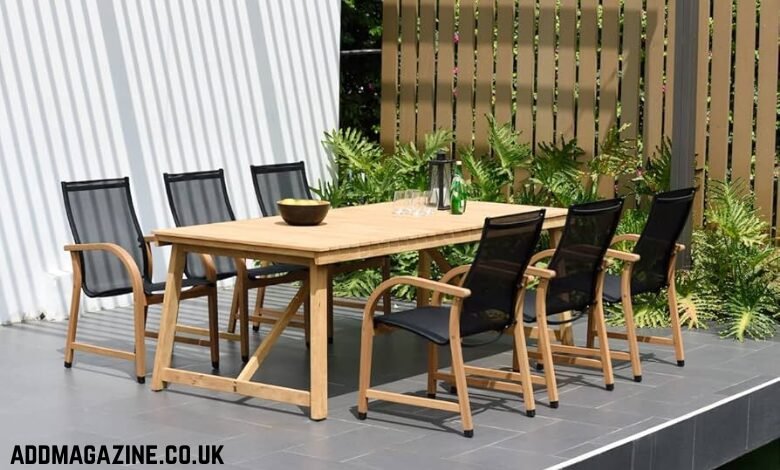
When customers post their dining experience, they are not just sharing a meal. They are sharing the setting. Statement outdoor table and chairs play a direct role in that moment. Bold silhouettes, distinctive materials, and cohesive color palettes create a recognizable backdrop.
From a business perspective, the logic is clear:
- Restaurants with highly photographed outdoor areas often see increased organic social reach.
- User generated content reduces reliance on paid advertising.
- Visually distinct patios create brand memory that encourages repeat visits.
In high density urban markets, where dozens of venues may exist within a few blocks, the patio becomes a differentiator. If a passerby sees guests constantly taking photos outside your space, curiosity naturally follows.
Design That Encourages Sharing
Not all outdoor tables and chairs inspire guests to pull out their phones. The difference lies in intentional design.
First, scale and proportion matter. Oversized communal tables can signal social energy, while compact bistro sets suggest intimacy. Both can work, but they must align with the brand identity. A rooftop cocktail bar benefits from sleek, sculptural frames. A coastal seafood concept may lean into light wood finishes and woven textures.
Second, color strategy drives attention. Studies in consumer psychology show that bold, saturated colors increase visual recall. A patio filled with neutral furniture may look elegant in person, yet it can disappear in a fast scrolling social feed. Operators who introduce vibrant cushions, powder-coated steel frames, or patterned tabletops often achieve a stronger visual impact online.
Third, material quality influences perception. Guests subconsciously associate heavy-duty commercial outdoor furniture with stability and professionalism. When tables do not wobble, and chairs feel solid, comfort increases. Comfortable guests stay longer, order more, and are more likely to capture the moment.
The Financial Upside of Statement Furniture
Beyond aesthetics, statement outdoor table and chairs can directly impact financial performance.
Outdoor dining capacity has become a core revenue driver, especially after recent shifts in consumer behavior that have increased demand for outdoor seating. In many regions of the United States, patios can add 20 percent or more to total seating capacity during peak seasons. If those seats are visually compelling, they do double duty by attracting additional guests through social proof.
There is also a pricing advantage. Restaurants with distinctive environments often justify higher average check sizes. When guests perceive an experience as unique or premium, they are more accepting of elevated menu prices. The environment supports the value proposition.
Consider the return on investment in practical terms:
- A well-designed patio can extend dwell time, increasing beverage and dessert sales.
- Branded outdoor spaces can lead to partnerships, influencer collaborations, and event bookings.
When operators evaluate furniture strictly on upfront cost, they miss this broader equation. The right outdoor table and chairs are not just expenses. They are revenue-generating tools.
Durability Meets Aesthetic Appeal
Statement pieces must still survive daily service. Outdoor environments introduce challenges such as UV exposure, moisture, temperature fluctuations, and heavy traffic.
Powder-coated steel frames resist rust and fading. Marine-grade fabrics retain color in direct sunlight. High-pressure laminate or sealed solid-wood tabletops withstand spills and frequent cleaning. These technical features may not appear in an Instagram caption, yet they protect the visual integrity that drives social sharing.
There is also the operational factor. Lightweight yet sturdy chairs allow staff to reconfigure layouts quickly for events or larger parties. Stackable or foldable designs simplify storage in unpredictable weather. Smart design choices ensure that style does not interfere with efficiency.
Operators who balance bold design with commercial durability avoid a common pitfall: beautiful patios that degrade within a single season. In a digital age where photos live online indefinitely, consistency matters. A patio that looks vibrant in June should look just as strong in September.
Creating a Cohesive Visual Identity
Winning customers through the Instagram effect requires more than random, colorful furniture. Cohesion builds brand recognition.
Outdoor table and chairs should align with interior design, logo colors, and even menu presentation. When a guest walks from the sidewalk into the dining room, the transition should feel seamless. This continuity strengthens brand storytelling.
Lighting also plays a critical role. Statement furniture gains impact under warm string lights, lanterns, or subtle LED accents. Thoughtful lighting ensures that evening photos remain just as compelling as daytime shots.
Some operators designate specific “photo moments” within their patios. A signature mural behind communal tables. A patterned tile floor under café chairs. These intentional design zones encourage organic sharing without feeling forced.
The Competitive Edge in 2026 and Beyond
Hospitality is becoming increasingly experience-driven. Data from industry research shows that younger consumers, particularly Millennials and Gen Z, prioritize shareable experiences when choosing where to dine. For many, discovering a restaurant on Instagram is the first step in the decision-making process.
As this trend continues, the strategic role of statement outdoor tables and chairs will only grow. They influence first impressions before a guest ever tastes the food. They shape online reviews, where photos often speak louder than text. They reinforce brand identity in crowded markets.
Forward thinking operators understand that furniture selection is part of marketing strategy. It belongs in conversations about branding, customer acquisition, and long term positioning.
Where Visual Impact Becomes Business Growth
In today’s hospitality landscape, outdoor seating is no longer an afterthought. It is a stage. Every table, every chair, every color choice contributes to how a brand is perceived both in person and online.
Statement outdoor table and chairs attract attention, encourage sharing, and elevate perceived value. When thoughtfully selected, they increase capacity, support higher price points, and generate ongoing organic promotion through guest content.
The Instagram effect is not about chasing trends. It is about recognizing that visual environments drive modern consumer behavior. Restaurants that treat their patios as strategic assets, rather than simple overflow space, position themselves to win customers again and again, one photo at a time.