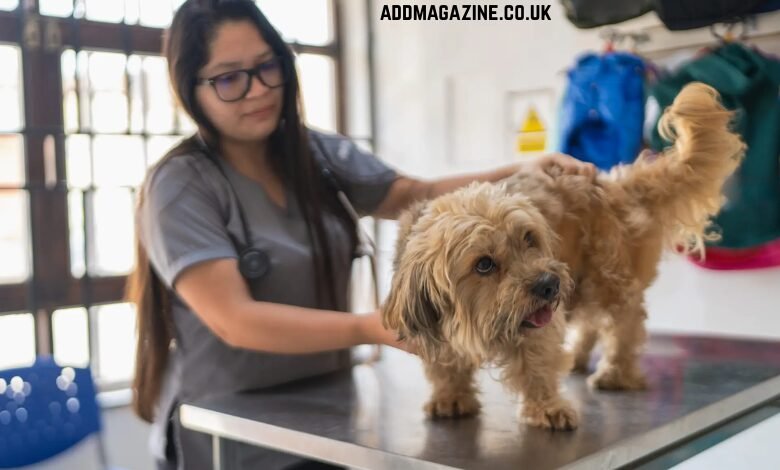

Pet influencers did not emerge as a novelty. They became visible because pets already play a practical role in everyday life. Feeding schedules, vet appointments, housing choices, travel limits, and monthly costs; these are not background details. They shape how households operate. When that reality appears online, it does not read as a content strategy. It reads as life.
This is why pet-led accounts have remained relevant while other lifestyle trends fade. They reflect decisions people already make, rather than lifestyles people are told to admire.
Routine Is No Longer Boring
Lifestyle platforms once rewarded content built around visible upgrades, scale and speed. Bigger homes, frequent travel, and constant lifestyle upgrades were treated as markers of success. That approach has lost momentum.
Content based on regular habits now holds attention longer. Not staged moments, but repeated ones. Feeding routines, early walks, and schedules adjusted around care. These details feel familiar rather than impressive.
Pet influencers operate entirely inside this space. Their content is predictable, and that is exactly why audiences stay. Predictability creates trust.
Pets Signal Stability Without Saying It
Online identity has shifted. Fewer accounts rely on aspiration alone. More accounts now signal reliability, whether intentionally or not. Pets play a role here because care cannot be simulated for long. It shows up over time, or it does not show up at all. That visibility carries weight.
Audiences respond to consistency more than enthusiasm. They return because the presence feels steady, not because the content promises something new each time.
This also explains why growth in pet-led accounts is often slower but stronger. Engagement levels hold. Drop-off rates stay low. Familiarity becomes the value.
Why Brand Messages Are Treated Differently
Commercial partnerships in pet-related spaces operate under higher scrutiny. Audiences pay closer attention. Anything connected to food, health, or daily care triggers caution. Obvious promotion rarely works here and can break trust easily. Instead, products appear as part of established routine behaviour. Not as highlights. Not as announcements.
In that context, influencer references to everyday feeding choices, including options such as dry dog food, are more likely to be read as contextual information rather than persuasive or promotional messaging. They sit alongside storage decisions, timing constraints, and household habits.
That positioning matters. It keeps attention intact. For brands, the benefit is durability, not reach.
Lifestyle Content Is Being Judged on Usefulness
Lifestyle media has not lost its visual appeal, but it is being evaluated differently. Readers are quicker to disengage from content that offers no practical value.
Pet-related content often avoids this problem because it intersects naturally with adult responsibilities. Budgeting. Time allocation. Health awareness. Living arrangements. These are not niche topics. They are everyday checks and controls.
Research published by Statista shows sustained engagement growth around pet-related digital content, particularly formats that focus on guidance rather than entertainment. This behaviour suggests audiences are not consuming passively. They are assessing information they expect to apply.
Regulation Has Quietly Changed the Tone
In the UK, influencer marketing does not operate without limits. Disclosure rules and accuracy standards apply, especially when partnerships involve consumable or care-related products.
These requirements have reduced exaggerated messaging. They have also forced a slower, clearer approach to promotion.
Guidance from the Advertising Standards Authority outlines these expectations for social media content. As a result, pet influencer content often feels calmer than other lifestyle categories. Fewer claims. More explanation. Less urgency. That tone aligns with audience expectations and supports long-term credibility.
What This Trend Actually Indicates
The rise of pet influencers reflects a broader shift in how lifestyle success is defined. Visibility alone is no longer enough. Consistency carries more weight. Pets make that visible without commentary. Their needs introduce limits. Their care requires planning. When shared online, those checks and controls mirror how many people already live.
Pet influencers may appear informal, but their influence rests on something solid: everyday decisions, repeated over time, shown without exaggeration. That is what keeps audiences watching, not because it is exciting, but because it feels accurate.