
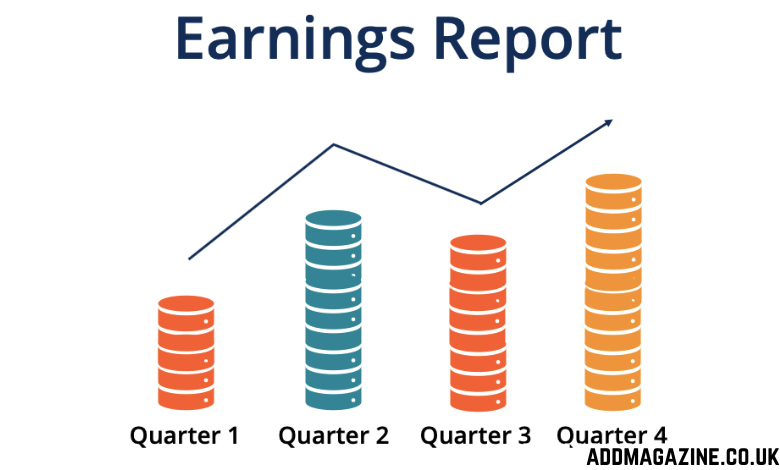
Modern investing is driven by data, timing, and insight. Whether you are a long-term investor, an active trader, or someone observing market dynamics, financial information plays a powerful role in shaping strategies and expectations. Among the most valuable resources available to market participants is the earnings calendar, a tool that helps track when publicly listed companies announce their quarterly financial results. Understanding this schedule, interpreting its implications, and knowing how to respond to earnings events can significantly enhance market analysis and investment decision-making.
Understanding What an Earnings Calendar Represents
Every publicly traded company periodically reports financial outcomes of its operations. These earnings reports outline revenues, expenses, profits, margins, outlook, and management commentary. An organized schedule of when each company will release this information forms the foundation of the calendar. It allows investors to prepare ahead of time instead of reacting blindly.
Earnings announcements are not randomly placed events; they are strategically influential. Companies reveal key financial metrics such as Earnings Per Share (EPS), revenue figures, forward guidance, and performance comparisons with previous quarters. Each of these pieces of information directly affects how the market perceives a company’s health and future prospects. Because of this, the calendar becomes much more than a date list, it turns into a strategic planning instrument.
Why These Scheduled Earnings Dates Matter to Analysts and Investors
Market analysis involves predicting trends, identifying opportunities, and managing risks. Earnings dates are central to this because corporate results tend to trigger significant price movement. A better-than-expected report may send shares soaring, while disappointing results can lead to sudden declines. Markets also react not only to the numbers themselves but to management discussions and forward-looking statements.
Being aware of when these events occur allows analysts and traders to anticipate volatility rather than being caught off guard. Institutional investors build expectations weeks in advance. Retail investors prepare portfolios around these events. Traders strategize positions, while market commentators shape broader narratives. Without awareness of financial reporting schedules, analysis becomes incomplete and reactionary.
Market Volatility and Behavioral Reactions Around Earnings Announcements
The period around corporate reporting is one of the most emotionally charged times in the market. Anticipation builds, speculation rises, and market sentiment fluctuates. Prices often begin to move even before earnings are released, driven by rumors, analyst predictions, and economic context. Once the results are announced, reactions can be immediate and dramatic.
For instance, if a company consistently exceeds expectations, confidence builds and the stock may develop a strong upward trend over time. On the other hand, repeated disappointments may weaken investor trust. Sudden surprises either positive or negative may create exaggerated price swings as traders rush to reposition. Being aware of dates enables investors to emotionally and strategically prepare for such conditions.
How Analysts Use Earnings Schedules in Broader Market Evaluation
Financial experts do not simply wait for reports; they build analytical expectations around them. Before a company announces results, analysts study historical earnings trends, macroeconomic conditions, industry health, competition, and internal performance indicators. Expectations are formed and reflected in consensus estimates.
These expectations become benchmarks. When results deviate significantly from projections, markets react strongly because sentiment shifts from what was previously assumed. This is why having a structured timeline matters, it ensures analysts can prepare models, forecasts, and strategies in a timely and organized manner.
Reading and Interpreting Earnings-Related Information
The schedule is only the starting point. Investors must know what to look for once numbers are released. Key components usually include:
- Earnings Per Share (EPS): Indicates profitability allocated per share.
- Revenue Performance: Shows business strength and demand.
- Comparison to Analyst Expectations: Determines whether performance is surprising or aligned.
- Guidance and Outlook: Often influences stock direction more than past results.
- Management Commentary: Explains performance drivers and future strategy.
Strategic Advantages of Monitoring Earnings Dates
There are several strategic benefits of incorporating scheduled earnings awareness into market planning:
Better Timing for Investment Decisions
Knowing when financial results will be announced helps investors decide whether to enter, hold, or temporarily step aside from a position depending on their risk tolerance.
Risk Management and Portfolio Stability
Anticipating volatility allows investors to plan hedging strategies, adjust allocations, or place risk-controlling mechanisms.
Opportunity Identification
Significant price swings can create attractive entry points for undervalued companies or profit-taking moments for overperforming ones.
Alignment with Broader Economic Themes
Earnings periods often reflect economic conditions like consumer demand, inflation effects, interest rate pressures, and industry trends. Reviewing multiple company results together helps build a clearer understanding of market health.
Preparation Before and Reflection After Earnings Announcements
Successful use of this financial schedule requires pre- and post-analysis discipline.
Before earnings releases, investors often:
- Review historical performance
- Study analyst predictions
- Observe sector behavior
- Assess broader market trends
After earnings, they evaluate:
- Actual results vs expectations
- Price reaction
- Management commentary tone
- Forward guidance implications
- Whether reactions appear rational or exaggerated
A Tool for Both Professional and Everyday Investors
While institutional analysts use advanced financial systems, individual investors can also benefit greatly. Staying informed empowers smarter decision-making. Understanding when important news will drop builds confidence and reduces uncertainty. Instead of reacting after everyone else, informed investors position themselves with foresight.
It also encourages habit-building in disciplined market observation. Over time, investors notice patterns such as seasonal performance trends, recurring management behaviors, and predictable reactions.
Conclusion
The financial market is constantly influenced by information, timing, and sentiment. Understanding when companies reveal their performance gives investors a powerful strategic edge, helping them predict volatility, prepare responses, identify opportunities, and evaluate economic health more accurately. In this sense, the earnings calendar plays a central role in structured market analysis, transforming market chaos into more understandable and manageable movements for anyone willing to use it thoughtfully.