
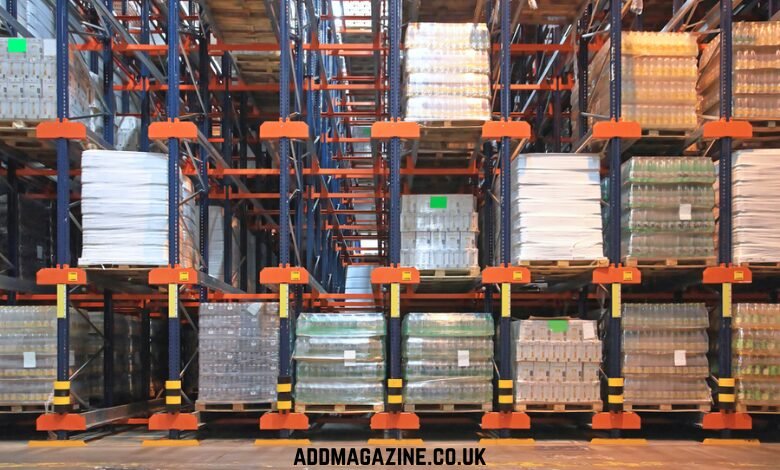
Manufacturing and distribution operations face mounting pressure to demonstrate clear returns on technology investments. While traditional cost-cutting measures provide immediate visibility, the true value of operational systems often extends far beyond simple expense reduction. This reality becomes particularly evident when evaluating pallet management systems, where the most significant benefits frequently emerge in areas that standard accounting methods struggle to capture.
The challenge lies in quantifying improvements that affect multiple departments, reduce hidden inefficiencies, and prevent future problems rather than solving current ones. Operations managers know these systems deliver value, but proving that value to financial stakeholders requires a more comprehensive approach than traditional ROI calculations provide.
Understanding the Full Spectrum of Pallet Management Value
Pallet management creates value through interconnected operational improvements that extend across entire supply chains. Unlike standalone equipment purchases, these systems influence everything from inventory accuracy to customer satisfaction, making their true impact difficult to isolate and measure using conventional metrics.
The complexity stems from how modern operations depend on accurate, real-time information about pallet locations, conditions, and availability. When this information flows seamlessly, multiple processes improve simultaneously. Workers spend less time searching for materials, inventory counts become more reliable, and shipping delays decrease. A comprehensive Pallet Management Software guide reveals how these interconnected benefits compound over time, creating value that far exceeds the initial software investment.
Traditional ROI calculations focus on direct cost reductions, such as decreased labor hours or reduced pallet purchases. While these savings are real and measurable, they represent only a fraction of the total value generated. The more substantial benefits often appear as prevented costs, improved reliability, and enhanced operational capacity that enables growth without proportional increases in overhead.
Operational Efficiency Multipliers
Pallet management software creates efficiency gains that multiply across different operational areas. When warehouse staff can locate pallets quickly, the time savings extend beyond the immediate task. Faster pallet location reduces equipment idle time, decreases congestion in warehouse aisles, and allows more predictable scheduling of loading operations.
These multiplier effects are particularly valuable because they improve operational consistency. Instead of good days and bad days depending on how quickly workers can find materials, operations maintain steady throughput regardless of individual experience levels or seasonal staffing changes. This consistency translates directly into improved customer service and reduced emergency expediting costs.
Risk Reduction and Prevention Costs
The prevention of operational disruptions represents one of the most significant but hardest-to-quantify benefits. When pallet management systems prevent situations where production lines stop due to material shortages or shipping delays occur due to missing inventory, the avoided costs often exceed the system’s entire annual operating expense.
Risk reduction extends to compliance and safety areas as well. Proper pallet tracking helps maintain food safety documentation, ensures hazardous materials handling compliance, and reduces workplace injuries from damaged or improperly stored pallets. These prevented incidents avoid not just direct costs but also the indirect expenses of regulatory investigations, insurance claims, and reputation management.
Building a Comprehensive ROI Framework
Effective ROI measurement for pallet management software requires capturing both direct savings and indirect benefits across multiple timeframes. The framework must account for immediate cost reductions, medium-term efficiency improvements, and long-term strategic advantages that enable business growth.
Direct savings typically include reduced labor costs from faster pallet location and handling, decreased pallet purchase and repair expenses, and lower inventory carrying costs through improved accuracy. These benefits are relatively straightforward to measure and usually appear within the first few months of system implementation.
Medium-term benefits require more sophisticated measurement approaches. Improved order accuracy reduces customer service costs and prevents lost sales from shipping errors. Better inventory visibility decreases safety stock requirements, freeing up working capital for other investments. Enhanced scheduling reliability reduces overtime costs and improves equipment utilization rates.
Quantifying Indirect Benefits
Indirect benefits often provide the greatest long-term value but require careful measurement methodologies to document their impact. Customer satisfaction improvements from more reliable delivery times can be tracked through retention rates and order frequency changes. Reduced stress on warehouse operations during peak periods translates into lower turnover costs and improved worker productivity.
The key to measuring indirect benefits lies in establishing baseline metrics before system implementation and tracking changes over extended periods. Simple before-and-after comparisons may not capture seasonal variations or market changes that affect operations independently of the pallet management system.
Time-Based Value Recognition
The value profile of pallet management software changes significantly over time as organizations learn to optimize their use of system capabilities. Initial benefits focus on automating existing processes, while longer-term gains come from redesigning workflows around improved information availability.
According to the U.S. Census Bureau, wholesale trade operations that implement systematic inventory management show sustained productivity improvements over multi-year periods, suggesting that technology adoption benefits continue growing well beyond initial implementation phases.
Measuring Operational Impact Across Departments
Pallet management software affects multiple departments differently, requiring measurement approaches that capture department-specific benefits while recognizing cross-functional improvements. Warehouse operations typically see immediate efficiency gains, while sales and customer service benefits may take longer to become apparent.
Warehouse benefits center on reduced search time, improved space utilization, and better coordination between receiving and shipping activities. These improvements can be measured through standard warehouse productivity metrics, but the measurement period must be long enough to account for learning curves and seasonal variations in activity levels.
Sales department benefits often appear as improved customer relationships due to more accurate delivery promises and fewer shipping errors. These benefits are harder to quantify directly but can be tracked through customer satisfaction scores, repeat order rates, and reduced time spent resolving shipping issues.
Cross-Functional Efficiency Gains
The most significant benefits often occur at the intersection between departments where improved information sharing eliminates redundant activities and reduces communication delays. When warehouse staff can provide real-time pallet availability information to customer service representatives, both departments become more efficient while improving customer satisfaction.
These cross-functional gains require measurement approaches that look at end-to-end process improvements rather than department-specific metrics. Order-to-delivery cycle time, perfect order rates, and customer inquiry resolution time provide better indicators of cross-functional benefits than traditional department productivity measures.
Strategic Value Creation
Beyond operational improvements, effective pallet management creates strategic advantages that enable business growth and competitive differentiation. Better inventory visibility supports just-in-time operations, while improved reliability enables service level commitments that competitors cannot match.
Strategic value often manifests as increased business capacity without proportional increases in operational costs. When existing warehouse space can handle more throughput due to improved pallet management, the delayed need for facility expansion represents significant capital cost avoidance.
Implementation and Measurement Best Practices
Successful ROI measurement begins before system implementation with careful documentation of current-state performance across all affected areas. Baseline measurements must capture not just average performance but also variability and peak-period challenges that the new system should address.
The measurement period should extend at least twelve months beyond full system deployment to capture seasonal variations and allow time for users to optimize their workflows. Short measurement periods may miss significant benefits that only become apparent once organizations fully adapt their processes to take advantage of improved capabilities.
Regular measurement reviews help identify additional benefit opportunities and ensure that the system continues delivering expected returns. Many organizations discover new applications for their pallet management software months after initial deployment, creating additional value that should be included in ongoing ROI calculations.
Data Collection and Analysis Methods
Effective measurement requires combining system-generated data with operational observations and stakeholder feedback. While the software can automatically track many metrics, understanding the full impact requires input from workers and managers who experience the day-to-day operational changes.
Statistical analysis should account for external factors that might influence operational performance independently of the pallet management system. Economic conditions, seasonal demand patterns, and personnel changes can all affect productivity metrics in ways that have nothing to do with the software implementation.
Reporting and Communication Strategies
ROI reporting must address different stakeholder interests and time horizons. Financial managers focus on cost reductions and capital efficiency, while operations managers are more interested in reliability improvements and workflow optimization. Effective reporting presents the same data in ways that resonate with each audience’s priorities.
Regular progress reports help maintain organizational support for the system and identify opportunities for additional improvements. These reports should highlight both quantitative benefits and qualitative improvements that affect worker satisfaction and customer relationships.
Conclusion
Calculating the true ROI of pallet management software requires looking beyond immediate cost savings to capture the full spectrum of operational and strategic benefits these systems provide. While direct labor and material cost reductions offer easily quantifiable returns, the greatest long-term value often comes from improved reliability, enhanced capacity utilization, and strategic advantages that enable business growth.
The framework outlined here provides a systematic approach to measuring both immediate and long-term benefits while accounting for the complex, interconnected nature of modern operations. By tracking improvements across multiple departments and time horizons, organizations can build compelling business cases that reflect the true value of their pallet management investments.
Success depends on establishing comprehensive baseline measurements, maintaining consistent tracking over extended periods, and regularly reviewing results to identify additional optimization opportunities. Organizations that follow this approach consistently find that their pallet management software delivers returns that far exceed initial expectations, justifying continued investment in operational technology improvements.