Keeping tabs on your dog used to mean hoping for the best and calling their name a little louder than usual. Now, GPS technology has changed the game. Whether your pup is an escape artist, a countryside explorer, or confident off-lead, a reliable tracker can offer serious peace of mind.
But not all devices are created equal. If you have read about GPS tracker accuracy before, you know that what really matters is how well the tech performs outside of lab conditions. Open skies are one thing. Real life, with its trees, buildings, and patchy signal, is something else entirely.
When looking at top dog trackers, accuracy should be your starting point. That little dot on your phone depends on several moving parts working together. Satellite coverage determines how many positioning signals the collar can connect to at once. The more satellites it can “see”, the sharper the location is. Then there is the signal refresh rate, which tells you how often your dog’s position updates. A faster refresh rate is essential if your dog likes to sprint rather than stroll.
Antenna quality also plays a surprisingly big role. If the antenna struggles to pick up weaker signals, especially in wooded areas or near tall buildings, the margin of error increases. Terrain interference, from hills to dense forests, can cause signals to bounce. Network connectivity matters too, since most modern trackers rely on cellular or LTE to send data from the collar to your phone.
These factors combine to determine whether your tracker gives you a precise location or a rough guess.
One brand that regularly comes up in conversations about performance is Tractive. This product is a market leader with lots of positives. From strong real-time tracking to virtual fence features and activity monitoring, it blends safety with smart design. Many owners appreciate the frequent updates and user-friendly app, which makes following an active dog feel smooth rather than stressful. Tractive is a system owners rely on for peace of mind.
Battery life is another major consideration. When power dips, many trackers automatically reduce how often they update to conserve energy. That can make movement look jumpy or delayed. A well-charged device with an efficient chip will provide more consistent data, which is important if your dog heads towards a busy road or unfamiliar territory. This is especially the case for full-day adventures, which is where the Kippy Dog GPS Tracker has gained its reputation.
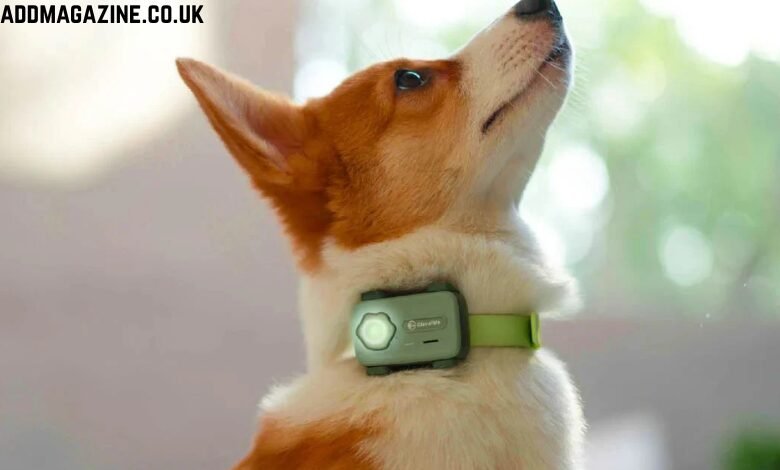
Fit should not be overlooked either. A collar that is too loose can rotate, meaning the antenna is no longer positioned upward toward the sky. That small shift can reduce the number of satellites it connects to and affect precision. Making sure the tracker sits snugly can improve results instantly without spending a penny, and it has been noted that PitPat collars are quite good for a secure fit.
Beyond safety, GPS trackers can support training. Owners and trainers often review movement patterns during off-leash sessions to understand recall behaviour, stamina, and distance covered. Accurate tracking data makes these insights genuinely useful rather than just interesting.
Of course, no consumer device offers flawless pinpoint positioning at every second. There will always be a balance between accuracy, battery life and coverage. Setting realistic expectations is key. A reading that is a few metres off does not mean the system has failed. It is simply the reality of GPS operating in complex environments.
The best dog trackers combine dependable location updates, solid battery performance and intuitive apps that make information easy to act on. Whether you choose Tractive or another reputable option, focusing on real-world accuracy and thoughtful design will help you stay confidently connected to your four legged companion wherever they roam.