
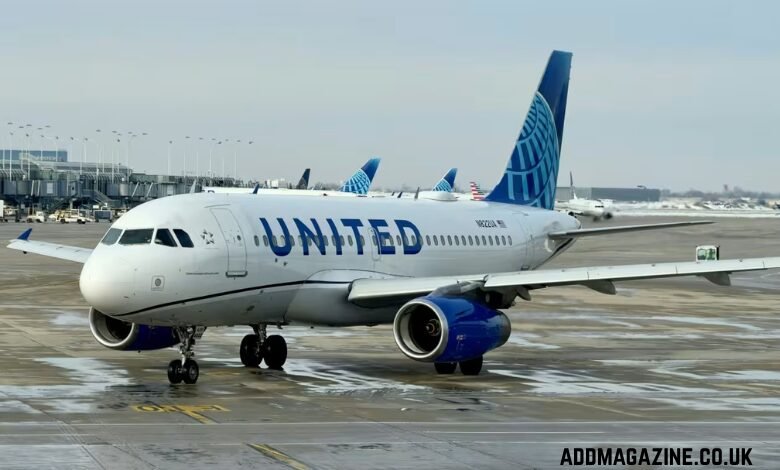
On October 30, 2025, United Airlines Flight UA109, en route from Munich, Germany, to Washington Dulles International Airport (IAD) in the United States, experienced an unexpected diversion. Originally intended as a non-stop, transatlantic journey, the flight was redirected to Dublin, Ireland, due to an unforeseen medical emergency involving a crew member. This rare event has sparked significant interest within the aviation community, raising questions about the safety protocols in place and the procedures airlines follow when responding to such incidents. Here, we will examine what led to the diversion, the circumstances surrounding it, and what it means for the future of international air travel.
The Journey and the Diversion
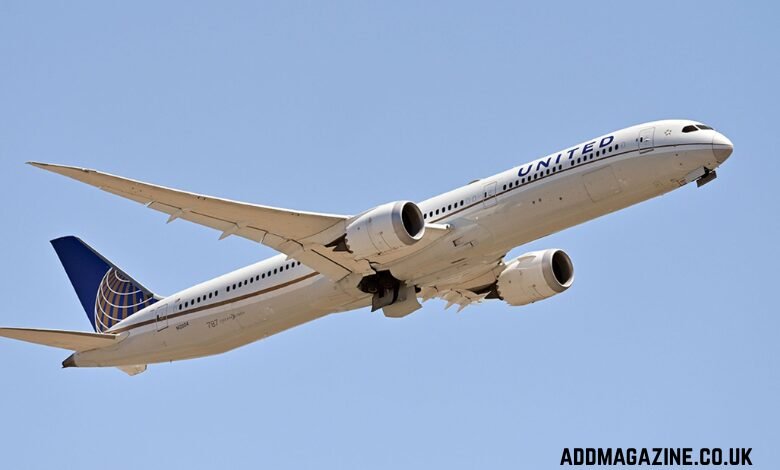
United Flight UA109 is a long-haul, international flight that typically operates with a Boeing 787-8 Dreamliner, designed for maximum efficiency and comfort on extended flights. The aircraft can carry hundreds of passengers, with most travelers making the journey for business or tourism. On October 30, 2025, the flight took off from Munich Airport (MUC) at approximately 12:14 PM Central European Time (CET), beginning its 8 to 9-hour journey across the Atlantic.
The flight was proceeding as planned until roughly three hours into the journey. The crew encountered a medical emergency involving a flight attendant, who began experiencing significant discomfort due to a severe foot blister. While this may seem like a minor issue, it had a major impact on the flight’s operations. As a critical member of the flight crew, the flight attendant’s incapacitation affected the ability to carry out necessary safety protocols, which are crucial for the smooth operation of the flight, particularly on long-haul journeys.
Upon assessing the situation, the captain of the aircraft made the decision to divert the flight to the nearest suitable airport. The aircraft altered its course and turned eastward, heading for Dublin Airport (DUB), which is located approximately 600 nautical miles west of Ireland. The aircraft landed safely at Dublin at 3:00 PM local time. This was a precautionary decision, made not because the flight was in immediate danger, but to ensure the safety of the passengers and crew and to comply with aviation regulations.
The Reason Behind the Diversion
The reason behind the diversion was not a mechanical failure, weather-related event, or a technical malfunction of the aircraft. Instead, the decision to divert was based on a medical emergency involving a member of the flight crew. Although the medical issue— a severe blister on the crew member’s foot—was not life-threatening, it prevented the individual from performing essential duties, including assisting in emergency evacuations, which is a legal requirement for flights.
Aviation safety regulations mandate that flights maintain a minimum number of operational crew members to ensure the safety of all passengers. For long-haul flights, especially those over remote areas like the North Atlantic, this is especially important. When a crew member becomes incapacitated and cannot fulfill their safety responsibilities, the airline must provide a full complement of qualified personnel on board.
In this case, the captain determined that the flight could not meet safety protocols if it continued without the crew member. The captain then decided to divert the flight to Dublin, the closest airport equipped to handle the emergency and provide the necessary medical attention.
Why Choose Dublin: A Strategic Diversion Airport
Airlines use Dublin Airport as one of the primary alternate airports for diversions on transatlantic flights, thanks to its strategic location and modern infrastructure. Dublin Airport holds ETOPS (Extended-range Twin-engine Operations) certification, meaning it serves as an officially designated backup landing site for aircraft flying over remote regions or long stretches of ocean, as with many transatlantic flights.
As an ETOPS alternate, Dublin is well-equipped to accommodate wide-body aircraft like the Boeing 787-8, the aircraft used on United Flight UA109. The airport has the necessary medical facilities, ground support, and customs processing capabilities to handle emergency landings efficiently. Furthermore, its location, along a major transatlantic route, ensures that it is within range for aircraft needing to divert due to in-flight emergencies. These factors made Dublin the optimal choice for the diversion, as it allowed the flight to land safely and allowed for the crew member to receive immediate medical attention.
The Timeline of the Diversion
Here is a breakdown of the key events on the day of the diversion:
- 12:14 PM CET: United Flight UA109 departs from Munich Airport.
- Approx. 3 hours into the flight: The crew member experiences severe discomfort due to a foot blister.
- 3:00 PM GMT: The aircraft diverts and lands at Dublin Airport.
- 3:00 PM to 4:20 PM: The crew member receives medical attention, and the necessary operational adjustments are made.
- 4:20 PM: The flight departs Dublin and continues its journey to Washington Dulles.
- 6:15 PM local time: Flight UA109 arrives at Washington Dulles, just over two hours later than scheduled.
Passengers were informed of the situation by the flight crew, who kept everyone updated throughout the diversion. While the change in plans was an inconvenience, the calm handling of the situation by United Airlines ensured that passengers felt informed and safe. The diversion, while unexpected, was a textbook example of how aviation safety protocols function in the real world.
What Does This Diversion Mean for Passengers and Airlines?
The diversion of United Flight UA109 raises several important considerations for both passengers and airlines alike. First, it highlights the importance of rigorous safety standards in aviation. While mechanical issues, weather, or technical failures tend to dominate media attention during in-flight emergencies, it is important to remember that the safety of the crew and passengers is of paramount importance. In this case, a seemingly minor medical issue with a crew member triggered a series of decisions that ultimately ensured that everyone remained safe.
This event also underscores the importance of airline protocols for crew member health and safety. Airlines are required to follow strict regulations to ensure that flights operate with the necessary number of crew members to handle emergency situations. United Airlines’ quick response and efficient management of the situation serve as a reminder of the importance of having well-trained personnel who can make difficult decisions in the best interest of all passengers.
For passengers, the incident also highlights the importance of understanding the factors that contribute to flight diversions. While any diversion can be disruptive, it is essential to recognize that these events often occur for the safety and well-being of everyone on board. Diversions due to crew issues, like the one on UA109, are not common, but they are part of the airline’s safety infrastructure and contribute to the overall security of air travel.
The Impact of Unexpected Diversions on Airline Operations
The diversion of United Flight UA109 reminds us how quickly unforeseen events can change the course of a flight and how aviation operations are structured to ensure safety in such situations. While diversions due to medical emergencies involving crew members are rare, airlines regularly prepare to respond swiftly and efficiently.
Importance of Crew Training and Health
For airlines, this incident brings to light the critical importance of comprehensive training for all crew members—both in terms of operational skills and emergency management. While the nature of this specific emergency (a blister) may seem trivial in comparison to mechanical malfunctions or severe weather events, it demonstrates how vital it is for all crew members to remain in good health and capable of performing their duties. The health and well-being of the flight crew are integral to the overall safety of the flight, and United Airlines acted accordingly by making the decision to divert.
The Need for Thorough Contingency Plans
In addition to training, this diversion highlights the importance of maintaining an up-to-date, thorough contingency plan for unexpected events. Airlines must have protocols for various emergency scenarios, including medical emergencies, mechanical issues, or even passenger-related disturbances. The ability to assess the situation in real-time, communicate effectively with passengers, and make swift decisions ensures minimal disruption to the journey while prioritizing safety.
The Passenger Perspective: Managing Stress and Trust
From a passenger perspective, experiencing a diversion can understandably cause stress and frustration. However, incidents like this demonstrate the critical role passengers play in cooperating with the airline and following the crew’s instructions during these situations. The transparency and clear communication from the crew during the UA109 diversion helped passengers understand the necessity of the action taken and kept anxiety to a minimum. For travelers, this incident also serves as a reminder that flight safety goes beyond just reaching a destination on time—it involves ensuring the safety of every individual aboard the flight.
Was the Aircraft Damaged or Unsafe During United Flight UA109?

The aircraft involved in United Flight UA109, a Boeing 787-8 Dreamliner, remained undamaged and safe during the diversion. United diverted the flight due to a medical emergency involving a crew member, not because of any mechanical or structural failure of the aircraft. The Boeing 787, known for its advanced safety features and reliability, made it well-suited for long-haul flights. The aircraft operated without issue and remained fully functional when the crew decided to land in Dublin, ensuring the continued safety of all passengers onboard.
The captain diverted the flight purely as a precaution to ensure the airline met the minimum crew requirements and complied with safety regulations. The captain assessed the situation and determined that the flight could no longer meet the necessary safety protocols without the incapacitated crew member. Therefore, despite the emergency, the aircraft itself remained in good condition and capable of continuing its journey. Passengers never faced immediate danger, and the airline took proactive steps to ensure the crew upheld all safety standards.
How This Event Affects the Reputation of United Airlines
United Airlines, like all major carriers, works hard to maintain a reputation for safety and customer service. In the case of Flight UA109, the airline’s handling of the diversion has generally been well-received by the public and aviation experts. The airline’s swift response to the crew member’s medical emergency, clear communication with passengers, and the seamless continuation of the journey demonstrate the airline’s commitment to adhering to safety standards while maintaining a smooth operational flow.
However, diversions, even when handled professionally, are often seen as a disruption by passengers. The inconvenience of a delay, no matter the reason, can impact perceptions of an airline. In this case, while the diversion caused a delay of just over two hours, United Airlines worked to minimize the disruption. After the aircraft landed in Dublin, the necessary operational adjustments were made, and the flight resumed with minimal delay. This efficient handling of the situation allowed passengers to reach their destination safely, without significant long-term disruptions to their travel plans.
In the world of aviation, reputation is key, and how an airline responds to such situations can play a significant role in maintaining trust with passengers. United Airlines demonstrated professionalism, transparency, and a commitment to passenger safety during this event, reinforcing its reputation as a reliable and responsible carrier.
Medical Diversions: More Common Than You Think
While the UA109 diversion may have caught the attention of the public, it is not an isolated event. Medical diversions are relatively common in aviation, especially on long-haul flights. Passengers and crew alike can experience a variety of health issues, from minor illnesses to more serious medical emergencies. In many cases, airlines divert flights due to passenger-related emergencies, but diversions involving crew members—like the one on UA109—can also occur, although they are less frequently discussed.
Airlines never take the decision to divert a flight due to a medical issue, whether involving a crew member or passenger, lightly. However, it is a necessary measure to ensure the safety and well-being of everyone on board. The well-being of a crew member is essential not only for the comfort of passengers but also for meeting legal and regulatory requirements. In the case of UA109, the airline fully complied with aviation regulations when it made the decision to divert, considering the safety of all involved.
The Role of Technology and Flight Tracking in Modern Aviation

In today’s digital age, flight tracking has become an essential part of the flying experience, both for aviation professionals and the general public. The public’s ability to monitor flights in real-time—via platforms like FlightAware or FlightRadar24—has made the process of flight diversions more transparent and accessible. During the diversion of UA109, many people were able to track the aircraft’s path as it altered course, allowing for widespread coverage of the event.
While flight tracking offers a level of transparency, it also brings attention to disruptions that may otherwise go unnoticed. In the case of UA109, aviation enthusiasts, media outlets, and concerned passengers closely followed the flight’s deviation from its original route. Social media platforms quickly shared information, and online communities of aviation followers kept up with the latest updates. While this level of visibility is helpful in providing transparency and reassurance, it can also lead to speculation or misinterpretation of events. For example, some early reports incorrectly stated that Boston was the intended destination of the flight, a mistake based on tracking data misinterpretation.
Despite these occasional errors, the increased visibility offered by flight tracking technology has generally improved the public’s understanding of what occurs during in-flight incidents and emergencies. It also highlights the role of technology in keeping passengers informed and connected to their flight information, especially during unexpected events like a diversion.
How United Airlines Has Moved Forward
After the diversion on October 30, 2025, United Airlines wasted no time in returning the flight to its regular schedule. The airline’s ability to quickly address the situation, ensure that the affected crew member received medical attention, and resume the flight in a timely manner is a testament to the effectiveness of its operational processes and the support systems in place.
The airline has continued to operate its Munich to Washington D.C. route as planned, without significant disruption or changes to flight schedules. The quick return to normalcy after a diversion is a key indicator of an airline’s resilience and operational flexibility. Despite the inconvenience caused to passengers on that particular day, United Airlines demonstrated that its systems can handle unexpected events effectively and with minimal impact on its broader operations.
The Impact on Future Transatlantic Flights
The diversion of United Flight UA109 did not have any long-term operational impact on the airline’s schedule or the affected aircraft. United Airlines returned the Boeing 787-8 involved in the diversion to its regular service after the brief delay. United Airlines resumed its standard operations and flights on the Munich to Washington route without further disruption.
However, this event may lead to increased awareness of the importance of proper crew management and emergency response protocols, particularly on long-haul international flights. Other airlines may take this incident as an opportunity to review and refine their own procedures for handling in-flight medical emergencies, especially involving crew members.
Conclusion
While United Flight UA109’s diversion may have been an inconvenient experience for passengers, it serves as an important reminder of the robustness of aviation safety systems. The crew made the decision to land in Dublin with the health and safety of everyone on board in mind and highlighted the critical role that safety regulations, operational protocols, and well-trained crew members play in ensuring that passengers reach their destinations safely.
As air travel continues to evolve, incidents like these help shape the future of aviation, encouraging both airlines and passengers to better understand the complexities of flight operations and the importance of safety at every level. United Airlines, through its quick and decisive actions, demonstrated that the safety of passengers and crew is always the top priority, no matter the circumstances.