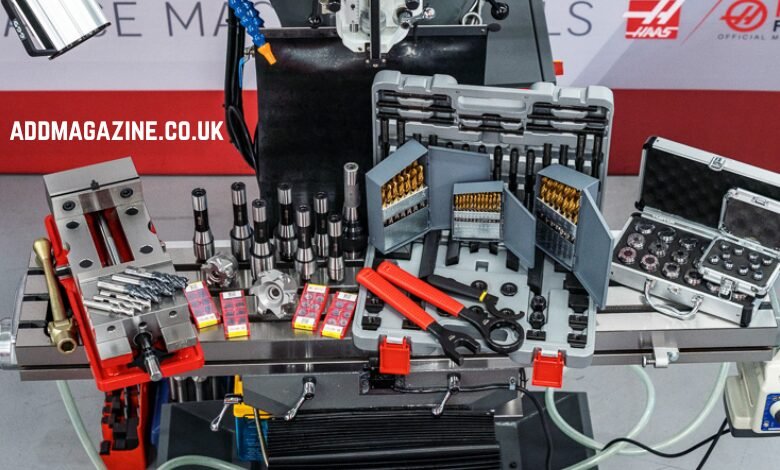
Choosing the right tools in a machine shop isn’t just about brand names or price—it’s about performance, consistency, and how well each component fits into your overall workflow. Experienced machinists understand that tooling decisions directly affect part quality, setup time, and long-term efficiency.
Rather than chasing the newest or most expensive option, seasoned professionals focus on reliability and repeatability. They evaluate how a tool performs over time, how it integrates with existing setups, and whether it actually solves a problem in their process.
Even something as straightforward as selecting the right self centering vise can have a major impact on setup consistency and part alignment. These are the types of decisions that separate efficient shops from those constantly troubleshooting avoidable issues.
Choosing Tool Holders That Improve Consistency and Repeatability
One of the first things experienced machinists evaluate is how well their tools hold position and maintain alignment. Tool holders and workholding systems play a critical role in ensuring that every part is machined consistently, especially in repeat production environments.
Consistency comes from stability. If your workpiece shifts or your setup varies even slightly between runs, it can lead to dimensional inaccuracies and wasted time correcting errors.
This is where proper clamping solutions come into play. Using reliable systems like pitbull clamps can help secure parts firmly while maintaining precise positioning. Strong, low-profile clamping not only improves accuracy but also maximizes usable workspace on your machine table.
Experienced machinists also pay attention to how quickly and easily setups can be repeated. The less time spent re-aligning parts or adjusting fixtures, the more efficient the process becomes. Repeatability isn’t just about precision—it’s about reducing variability and keeping production moving smoothly.
Another factor is how tooling holds up under real-world conditions. Vibration, cutting forces, and repeated use can all impact performance. Choosing holders and clamping systems that maintain rigidity under load ensures consistent results across multiple jobs.
Matching Tools to the Type of Work You Actually Do
Another key principle experienced machinists follow is selecting tools based on the work they actually perform—not what they might do occasionally. It’s easy to overinvest in tooling that doesn’t get used regularly, which can clutter your setup and reduce efficiency.
Instead, focus on the tools that support your most common operations. If your shop frequently handles precision measurements, investing in high-quality calipers is essential. Accurate measurement tools allow you to verify dimensions quickly and confidently, reducing the risk of errors.
The same logic applies across all tooling decisions. Consider:
- The materials you work with most often
- The tolerances you need to maintain
- The types of parts you produce regularly
Matching your tooling to these factors ensures you’re building a setup that supports your actual workflow, not a theoretical one.
It’s also important to think about versatility. Tools that can handle multiple applications without sacrificing performance can help streamline your setup and reduce the need for constant changes.
Experienced machinists also understand the value of simplicity. A well-organized, purpose-driven tooling setup is often more effective than one filled with rarely used equipment. Fewer, better-chosen tools can lead to faster setups, fewer errors, and more consistent results.
Conclusion
By choosing tools that improve repeatability, support your most common operations, and integrate seamlessly into your workflow, you can build a more efficient and reliable setup.
The goal isn’t to have the most tools—it’s to have the right ones. When each component in your setup serves a clear purpose, your entire process becomes more streamlined and effective.
Taking a thoughtful, experience-driven approach to tooling ensures that every investment contributes to better results, both in the short term and over the long run.