
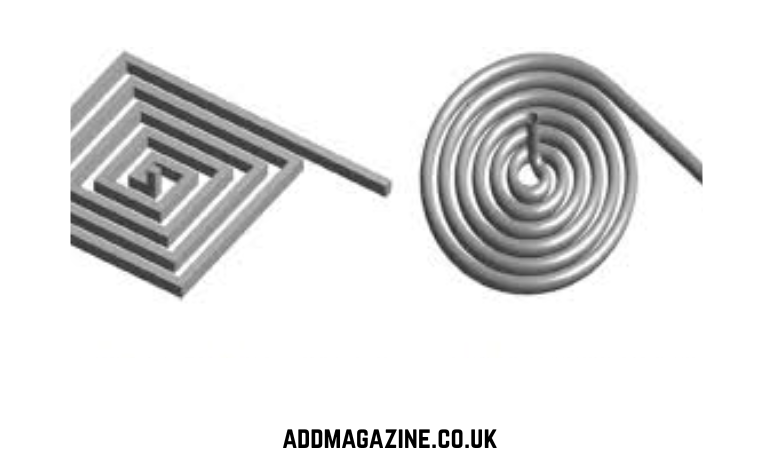
Optimizing energy usage in manufacturing and packaging facilities is crucial for both environmental sustainability and operational costs. Many facility managers and engineers need to understand the energy requirements of their conveyor systems, leading to the question: What is the energy consumption of a spiral accumulation system?
A typical spiral accumulation system consumes between 3-5 kWh per hour of operation, with variations depending on load capacity, height, and speed of operation.
While this baseline energy consumption figure is helpful, it’s essential to continue reading. The energy usage can vary significantly based on several key factors, such as the system’s design, operating conditions, and specific application requirements. Understanding these variables can help you better estimate the actual energy costs for your particular situation.
What Factors Affect The Energy Consumption Of Spiral Accumulators?
Several key variables can significantly impact how much energy a product accumulation system uses. The system’s height is one of the most influential factors, as taller systems require more energy to move products vertically. The load weight and distribution also play a crucial role – heavier loads and uneven weight distribution demand more power from the motors.
Operating speed is another critical factor. Higher speeds require more energy, not just for movement but also for maintaining stability and control. The friction coefficient between the conveyor belt and products and the system’s maintenance condition can also affect energy efficiency.
How Can You Optimize Energy Usage In Spiral Accumulation Systems?
Implementing variable-speed drives can significantly reduce energy consumption by allowing the system to operate at lower speeds during reduced-demand periods. Regular maintenance, including proper lubrication and belt tension adjustment, helps minimize friction and unnecessary energy usage.
Modern control systems with smart sensors can optimize operation by automatically adjusting speeds and managing product flow more efficiently. Additionally, choosing energy-efficient motors and ensuring proper system sizing during the design phase can lead to substantial energy savings over the system’s lifetime.
What Are The Cost Implications Of Spiral Accumulator Energy Consumption?
Understanding the financial impact of spiral accumulator energy usage is essential for budgeting and ROI calculations. At average industrial electricity rates (around $0.07 per kWh), a spiral accumulator running 16 hours per day could cost between $120-200 per month in energy costs alone.
However, these costs should be viewed in context with the system’s benefits, such as space savings and improved production efficiency. Many facilities find that the operational advantages outweigh the energy costs, especially when implementing energy-saving measures and proper maintenance protocols.
How Does A Spiral Accumulator’s Energy Usage Compare To Alternative Systems?
Unlike traditional straight-line accumulation systems, spiral accumulators often show better energy efficiency per square foot of floor space. While a linear accumulation system might use 2-4 kWh per hour, it requires significantly more floor space to achieve the same storage capacity.
Vertical reciprocating conveyors (VRCs) and elevator-style systems typically consume more energy, often 6-8 kWh per hour, due to their start-stop nature and the need to constantly work against gravity. The continuous motion of spiral systems, combined with their ability to maintain momentum, generally results in more efficient energy usage.
What Are The Latest Technologies Reducing Spiral Accumulator Energy Consumption?
Recent technological advances have introduced several innovations that have significantly reduced energy consumption in spiral accumulation systems. Regenerative braking systems, similar to those used in electric vehicles, can capture and reuse energy from descending products, potentially reducing overall energy consumption by 15-25%.
IoT-enabled intelligent monitoring systems can predict maintenance needs and optimize operation parameters in real time. These systems can automatically adjust motor speeds and product flow based on current demands, leading to up to 30% energy savings compared to traditional systems. Additionally, new lightweight belt materials and low-friction surfaces are helping to reduce the base energy requirements for system operation.
Modern spiral accumulators also incorporate energy-efficient LED lighting systems and automatic shutdown features for idle zones, further reducing the total energy footprint of the system. While requiring initial investment, these technological improvements typically pay for themselves through reduced energy costs within 2-3 years of operation.
Conclusion
Based on the information presented about spiral accumulator energy consumption, the most impactful action you can take is to conduct an energy audit of your existing system or planned installation. Schedule a professional assessment that precisely measures power usage across different operating conditions, as this will help identify opportunities for optimization and determine if newer energy-saving technologies would provide a worthwhile return on investment for your specific application.