Vibe coding is a modern approach to software development that focuses on energy, flow, user emotion, minimal resistance, and enjoyable creation. It’s not just about writing code that works—it’s about writing code that feels right, flows naturally, and aligns with your mindset and creativity. Over the last few years, the term has grown in popularity among developers, startup founders, indie makers, and AI-first creators who want to build faster, stay motivated, and avoid burnout.
Unlike traditional methods that emphasize rigid structure, strict rules, and heavy processes, vibe coding embraces flexibility, adaptability, intuition, mood-based workflows, and creativity-driven problem-solving. In this 3,500-word comprehensive blog, we’ll explore the meaning of vibe coding, where it came from, how it works, who uses it, and why it has become so relevant in the age of AI tools, indie development, rapid app building, and no-code/low-code ecosystems.
1. Introduction to Vibe Coding
Vibe coding is an emerging philosophy in software creation that blends emotional intelligence, flow state psychology, and flexible technical practices. The term is often used by developers who want to escape rigid workflows, avoid burnout, and build software in a more enjoyable and intuitive way.
Vibe coding isn’t a rigid framework like Agile or Waterfall; it’s more of a flexible, intuitive approach. It’s more like a mindset—a way of approaching code with:
- calmness
- flow
- clarity
- creativity
- lightness
- emotional awareness
- personalized pace
- intuitive decision-making
At its core, vibe coding means building software in a way that aligns with your current energy, mental state, and creative direction instead of forcing yourself into rigid structures.
In simple terms:
Vibe coding = coding based on flow, energy, and creativity instead of stress, pressure, or rigid rules.
2. Why the Concept Emerged
Vibe coding emerged for a few major reasons:
2.1. Developer Burnout Is Increasing
Software engineers are facing more pressure:
- tight deadlines
- unrealistic expectations
- constant context switching
- heavy documentation
- rushed product cycles
This has caused a spike in burnout across the tech industry. Vibe coding grew as a reaction to this, offering a more relaxed way to build.
2.2. AI Tools Changed the Coding Landscape
Tools like AI pair programmers, AI autocompletion, and generative models have transformed the nature of development. Developers no longer have to manually write every line of code—they can now focus on:
- creative thinking
- problem definition
- user experience
- structural planning
As a result, the emotional and creative aspects of coding have become more important than mechanical effort.
2.3. Indie Developers Needed a Flexible Method
Solo founders and indie app developers needed a creation style that:
- fits unpredictable schedules
- encourages creativity
- supports fast experimentation
- avoids corporate-style rigidity
Vibe coding perfectly matched the indie building culture.
2.4. Younger Generation Focuses More on “Feel”
Similar to how Gen Z embraces:
- vibe-based music
- vibe-based aesthetics
- vibe-driven habits
Software creation also adopted this attitude.
3. What Exactly Is Vibe Coding? (Deep Definition)
Vibe coding is the practice of writing code in a flow-state, guided by intuition, creativity, and emotional clarity rather than strictly following rigid methodologies. It’s about prioritizing:
- flow over force
- clarity over chaos
- simplicity over complexity
- energy over exhaustion
- enjoyment over stress
The “vibe” in vibe coding refers to the internal atmosphere a developer creates:
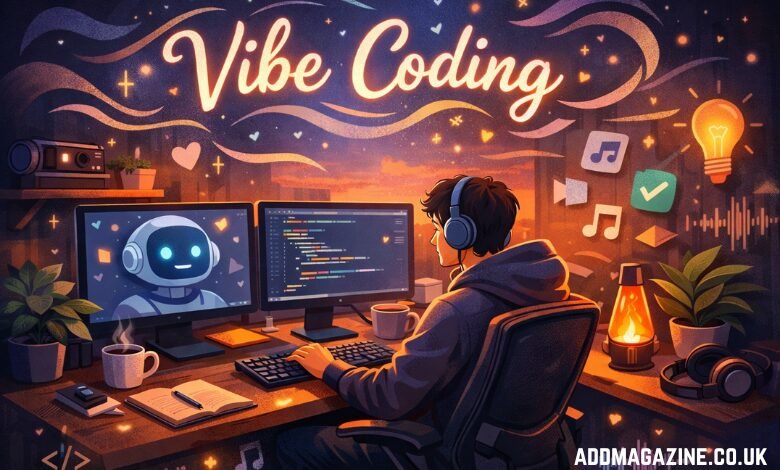
- comfortable workspace
- relaxing music
- intuitive decision-making
- optimized tools
- freedom to experiment
The “coding” refers to the actual technical work that becomes more enjoyable because it flows naturally.
Key characteristics of vibe coding include:
- relaxed pace but high focus
- minimal friction in tools and environment
- music or ambiance that enhances flow
- iterative creativity
- intuitive API and tool decisions
- letting ideas unfold naturally
- not forcing features—letting them evolve
Vibe coding is not:
- messy coding
- careless or unplanned development
- ignoring best practices
- skipping testing or documentation
- producing low-quality apps
Instead, it is a way to enhance creativity while still building quality software.
4. Core Principles of Vibe Coding
Here are the main principles developers follow:
4.1. Flow State Over Forced Productivity
When you code in flow, your productivity multiplies. Vibe coding encourages:
- longer uninterrupted sessions
- working when energy is high
- pausing when creativity dips
This creates higher-quality output with less frustration.
4.2. Minimal Mental Friction
Vibe coders optimize their environment to reduce cognitive load:
- simple tools
- keyboard-driven workflows
- minimal switching between apps
- clean folder structure
- readable code
The goal is a smooth, friction-free experience.
4.3. Music, Ambience, and Mood Alignment
Many vibe coders code with:
- lofi beats
- chill electronic
- ambient rain
- café background sounds
Music helps maintain rhythm and deep concentration.
4.4. Intuitive Decision-Making
Instead of rigid rules, vibe coders choose:
- frameworks that feel natural
- architectures that feel light
- patterns that feel simple
- tools that reduce overthinking
Coding becomes expressive, not restrictive.
4.5. Build Only What Feels Essential
Vibe coding avoids feature bloat. Only important features are built first, leading to:
- lighter apps
- faster prototypes
- less clutter
- more clarity
4.6. Creativity and Experimentation
Developers can experiment with:
- UI styles
- animations
- interactions
- quirky features
It encourages trying ideas without fear of mistakes.
4.7. Emotional Awareness
You code better when:
- your mind is clear
- your environment is comfortable
- your stress is low
- your energy is strong
Vibe coding respects mental and emotional health.
5. What Does Vibe Coding Look Like in Practice?
Let’s break down what a vibe coding session usually includes.
5.1. Workspace Arrangement
A vibe coder usually sets up their environment:
- clean desk
- soft lighting or LED ambience
- comfortable chair
- dual-monitor or ultrawide setup
- warm or cool tone light
- neat cable management
The environment feels calm and aesthetic.
5.2. Tool Selection
Most vibe coders use:
- simple frameworks
- minimal boilerplate
- fast startup tools
- intuitive editors
- AI-powered assist tools
Their stack avoids unnecessary complexity.
5.3. Music and Atmosphere
A huge part of vibe coding:
- lofi hip hop
- synthwave
- piano ambience
- nature sounds
- coding playlists
These help maintain the flow state.
5.4. Work Rhythm
Vibe coding is not rushed. It includes:
- slow thinking
- relaxed debugging
- extended creative sessions
- brainstorming ideas
It’s more like an art session than a high-pressure job.
5.5. Iterative Building
Developers:
- build small pieces
- test quickly
- refine based on feel
- gradually shape the app
Instead of forcing a strict sequence, ideas unfold gradually.
6. Vibe Coding vs Traditional Coding
Here’s a comparison to understand how vibe coding differs from traditional styles:
| Aspect | Traditional Coding | Vibe Coding |
|---|---|---|
| Approach | Rigid, structured | Flexible, intuitive |
| Focus | Productivity, deliverables | Flow, creativity |
| Environment | Neutral, functional | Aesthetic, mood-based |
| Pace | Scheduled, fixed | Energy-based, natural |
| Tools | Standard enterprise stack | Lightweight, preference-based |
| Emotional Role | Minimal | Highly significant |
| Creativity | Limited by rules | Open and expressive |
| Pressure | High | Very low |
| Flexibility | Low | Extremely high |
7. Why Vibe Coding Became Trendy
Several reasons explain its surge in popularity:
7.1. AI Coding Assistants
AI tools reduce repetitive work, making coding more creative and flow-driven.
7.2. Solo Makers and Startups
Indie developers prefer methods that reduce pressure and increase inspiration.
7.3. Mental Health Awareness
Developers are prioritizing:
- calm workflows
- enjoyable environments
- burnout prevention
7.4. Social Media Influence
Platforms like:
- TikTok
- YouTube
created aesthetic “coding vibe” content that resonates with younger coders.
7.5. Remote Work Culture
Remote work allowed developers to customize their environment, promoting vibe-based workflows.
8. Tools Used for Vibe Coding
Here are common tools vibe coders use.
8.1. Code Editors
- VS Code
- Cursor
- Sublime Text
- Nova
- Zed
They prefer editors that are:
- fast
- beautiful
- customizable
8.2. UI Design Inspiration
- Dribbble
- Behance
- Figma community
These help maintain creative flow.
8.3. Music Platforms
- YouTube Lofi
- Spotify focus playlists
- Chill radio streams
8.4. Terminal Tools
- Zsh
- Hyper
- Alacritty
- iTerm
Lightweight, aesthetic terminals support the vibe.
8.5. AI Tools
AI tools help reduce complexity so developers can stay in flow.
9. Benefits of Vibe Coding
9.1. Reduced Burnout
Developing in a relaxed, enjoyable way significantly reduces fatigue.
9.2. Higher Creativity
Ideas flow more freely when brain pressure is low.
9.3. Faster Prototyping
When you’re in flow, you build faster and make quicker decisions.
9.4. Better Code Quality
Relaxed thinking often leads to:
- fewer bugs
- cleaner logic
- readable structure
9.5. Mental and Emotional Well-Being
Vibe coding supports a healthy relationship with work.
9.6. More Enjoyable Learning
Beginners find coding less intimidating when they approach it with vibes instead of pressure.
10. Criticisms of Vibe Coding
Like any approach, it has some criticisms:
10.1. Lack of Structure
Some argue it can become chaotic without discipline.
10.2. Not Suitable for Enterprise Teams
Large organizations require:
- deadlines
- documentation
- strict protocols
Vibe coding doesn’t align with high-pressure corporate environments.
10.3. Over-Reliance on Mood
If developers only code when they “feel like it,” productivity may drop.
10.4. Not Ideal for Extremely Complex Systems
Highly technical architecture sometimes requires methodical structure.
11. How to Start Vibe Coding
Here’s a step-by-step guide for beginners.
11.1. Set Up Your Environment
Create a workspace that feels:
- clean
- calm
- comfortable
- aesthetic
11.2. Use Lightweight Tools
Avoid heavy frameworks. Choose tools that help you flow.
11.3. Play Music That Enhances Focus
Find playlists that improve your mood and concentration.
11.4. Start With Small Features
Avoid overwhelming yourself. Build tiny components first.
11.5. Let Creativity Guide You
If an idea excites you, try it immediately.
11.6. Take Breaks When Energy Drops
Vibe coding respects natural rhythms.
12. How AI Amplifies Vibe Coding
AI enhances vibe coding by:
- auto-generating repetitive code
- explaining errors
- optimizing logic
- suggesting improvements
- accelerating prototypes
This frees developers to focus on creativity and flow instead of technical grunt work.
13. Vibe Coding for Beginners
If you’re new to coding, vibe coding can help by:
- reducing intimidation
- making learning fun
- lowering pressure
- turning coding into a creative hobby
- helping you build projects faster
Beginners often stay motivated longer when they enjoy the process.
14. Vibe Coding for Professionals
Experienced developers use vibe coding to:
- escape burnout
- increase side-project output
- improve mental clarity
- build passion projects
- balance work and creativity
Professionals find vibe coding useful for maintaining long-term career stability.
15. Vibe Coding in Indie App Development
Indie developers rely heavily on vibe coding because it supports:
- rapid iteration
- creative thinking
- minimal restrictions
- flexible timelines
Most successful indie apps today were created in relaxed, flow-driven environments.
16. The Future of Vibe Coding
The future will include:
- deeper AI integration
- personalized coding environments
- mood-adaptive editors
- ambient-aware IDEs
- more creative coding cultures
As coding becomes more artistic and AI handles the mechanical work, vibe coding will become even more mainstream.
Conclusion
Vibe coding is more than just a trend—it’s a cultural shift in how developers think about building software. It encourages creativity, reduces stress, enhances flow, and makes the coding experience more personal and enjoyable. In a world where AI handles more of the routine tasks, vibe coding lets developers focus on what makes software creation truly meaningful: imagination, clarity, and flow.
It’s not a replacement for structured methodologies, but a complementary approach that adds emotional intelligence, enjoyment, and intuitive design into the world of software development.
By blending technical skill with aesthetic environment, emotional well-being, and creative experimentation, vibe coding turns programming into a fulfilling, energizing, and deeply enjoyable craft.