
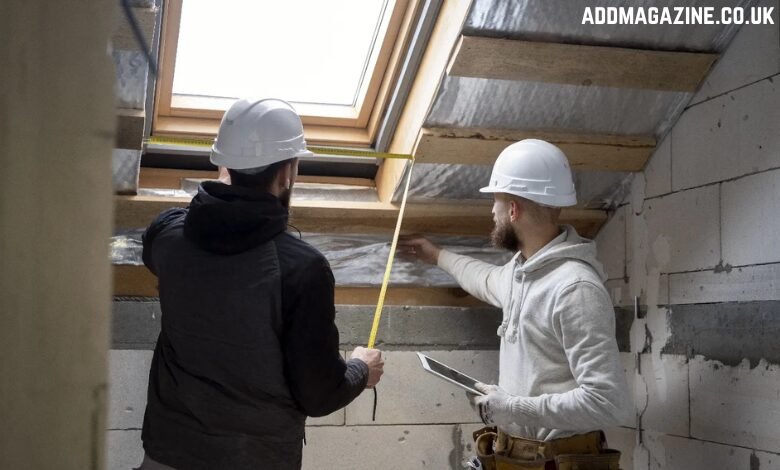
Structural safety is one of the most critical yet overlooked aspects of homeownership. While many homeowners focus on aesthetics, interior design, and renovations, the structural integrity of a property determines its long-term durability, safety, and value. Unfortunately, a lack of awareness often leads to costly repairs, safety risks, and compliance issues.
Understanding the fundamentals of structural safety can help homeowners make informed decisions and avoid serious consequences. Whether you are planning renovations or simply maintaining your property, working with experts in Online Civil Engineering Consultation UK and Structural Engineer for Loft and Extension Designs can make a significant difference.
The Hidden Risks in Residential Structures
Many homeowners assume that if a building looks stable, it is structurally sound. However, structural issues are not always visible. Problems such as foundation settlement, load imbalance, or weakened support systems can develop gradually over time.
Common hidden risks include:
- Foundation movement due to soil changes
- Overloaded beams from unplanned modifications
- Water damage affecting structural materials
- Poorly executed renovations without engineering input
These issues often go unnoticed until they become severe, leading to expensive repairs or even safety hazards.
Why DIY Renovations Can Be Dangerous
With the rise of online tutorials and DIY culture, many homeowners attempt structural changes without professional guidance. While minor cosmetic updates are manageable, structural modifications require technical expertise.
Removing walls, adding extensions, or modifying loft spaces can alter load distribution. Without proper calculations, this can compromise the entire building structure.
Consulting professionals offering Online Civil Engineering Consultation UK ensures that any modifications are safe, compliant, and properly engineered.
The Importance of Load-Bearing Analysis
One of the most misunderstood concepts in residential construction is load-bearing structures. Load-bearing walls, beams, and columns support the weight of the building and transfer it safely to the foundation.
Incorrectly modifying or removing these elements can lead to:
- Structural instability
- Cracks in walls and ceilings
- Uneven flooring
- In extreme cases, partial collapse
A Structural Engineer for Loft and Extension Designs evaluate these factors and ensures that any changes maintain structural balance.
Loft Conversions and Extensions Require Precision
Loft conversions and home extensions are popular ways to increase living space. However, they also introduce additional loads to the existing structure.
Key considerations include:
- Strength of existing beams
- Load distribution across floors
- Roof support adjustments
- Compliance with local building regulations
Without proper engineering, these projects can reduce structural integrity instead of enhancing property value.
The Role of Building Regulations
In the UK, structural work must comply with strict building regulations.
Non-compliance can result in:
- Legal penalties
- Difficulty selling the property
- Increased insurance risks
- Unsafe living conditions
Professional engineers ensure that all structural work meets regulatory standards while maintaining efficiency and cost-effectiveness.
Early Signs of Structural Problems
Homeowners should be aware of warning signs that indicate structural issues:
- Cracks wider than 3mm in walls
- Doors and windows not closing properly
- Sloping or uneven floors
- Visible gaps between walls and ceilings
Early intervention can prevent these issues from escalating into major structural failures.
How Professional Consultation Helps
Engaging experts early in the process offers several benefits:
- Accurate structural assessments
- Safe design solutions
- Cost-effective planning
- Compliance with regulations
Services like Online Civil Engineering Consultation UK allow homeowners to access expert advice quickly, making it easier to plan projects without delays.
Long-Term Impact on Property Value
Structural safety directly influences property value. A well-maintained and structurally sound home attracts buyers and ensures higher resale value.
On the other hand, unresolved structural issues can significantly reduce market appeal and lead to negotiation challenges during sales.
Conclusion
Structural safety is not just a technical concern but a fundamental aspect of responsible homeownership. Many homeowners underestimate its importance until problems arise, often resulting in costly repairs and safety risks.
By understanding the hidden risks, seeking professional guidance, and working with a Structural Engineer for Loft and Extension Designs, homeowners can ensure their properties remain safe, compliant, and valuable for years to come.