Bumper plates have become a popular choice for home gym owners seeking safe, versatile training equipment. Their ability to be dropped without damaging floors or bars makes them especially appealing for functional and Olympic-style lifting. With so many options available, however, buying the correct set requires more than simply choosing the lowest price. Even when searching for affordable bumper plates, factors such as space, compatibility, and training style should guide the decision.
Understanding How You Train
The way you train should influence every equipment purchase. Bumper plates are designed primarily for lifts in which the bar may be dropped, such as cleans, snatches, and deadlifts.
If training focuses on controlled powerlifting movements, bumpers may still be helpful but not essential. For mixed routines that include dynamic lifts, they become far more practical. Matching plate type to training demands avoids paying for features that will never be used.
Plate Diameter And Bar Height
Standard bumper plates have a consistent diameter across weights. This design keeps the bar at the same starting height for Olympic lifts. That consistency supports correct technique. It also means lighter bumper plates occupy more bar space than their iron equivalents. Understanding this trade-off helps prevent loading issues later, especially for stronger lifters who train heavily.
Weight Tolerance And Accuracy
Not all bumper plates weigh exactly what the label suggests. Manufacturing tolerances vary, particularly on lower-cost options. For general fitness, minor variation rarely matters. Structured strength programmes benefit from tighter tolerances, especially when tracking progress closely. Checking stated weight accuracy helps align expectations with performance.
Storage Space Requirements
Bumper plates are thicker than metal plates. This affects both bar loading and storage. Home gyms with limited space require careful planning. Plate trees, wall pegs, or floor racks must accommodate greater depth. Measuring available space before buying helps prevent clutter and improve safety.
Noise And Vibration Control
One advantage of bumper plates is their lower noise compared to metal plates. Rubber construction absorbs impact and limits vibration transfer through floors. However, not all bumpers perform equally. Lower-density rubber may bounce more, while higher-density plates tend to settle faster. Considering noise and bounce behaviour matters in shared buildings or late-night training environments.
Flooring And Surface Protection
Bumper plates protect floors, but they are not a substitute for proper flooring. Dropping weight repeatedly still places stress on surfaces. Using platforms or rubber mats extends the life of both plates and flooring. Selecting plates designed for repeated drops helps avoid cracks, splits, or uneven wear.
Material Quality And Durability
Rubber quality affects how bumper plates age. Cheaper rubber may smell strongly, crack sooner, or deform over time. Higher-quality compounds last longer and maintain shape. Durability matters even in home gyms, where environmental factors such as temperature fluctuations can accelerate wear. Inspecting material specifications helps assess long-term value.
Plate Finish And Markings
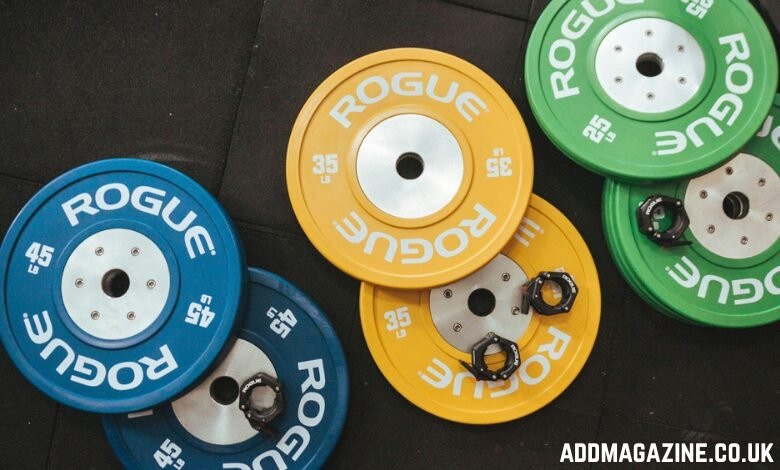
Clear markings improve usability. Weight numbers, colour coding, or embossed lettering make loading faster and reduce mistakes. Faded or poorly printed markings wear away quickly. While this may seem cosmetic, it affects daily training efficiency. Readable plates save time and reduce frustration.
Compatibility With Existing Equipment
Barbell sleeves, collars, and racks all interact with plates. Standard Olympic bumpers fit 50mm sleeves, but collar clearance varies. Thicker plates limit sleeve space. This matters when combining bumper plates with metal change plates. Checking bar capacity and sleeve length avoids loading limitations during heavy sessions.
Mixing Plate Types Thoughtfully
Many home gyms use both bumper plates and iron plates. This approach saves space and cost while retaining drop safety for key lifts. When mixing, bumper plates are usually added first, with iron plates added outside. Planning this setup ensures stable loading and prevents bar imbalance. Thoughtful mixing improves flexibility without sacrificing safety.
Budget Versus Value
Affordable bumper plates appeal for obvious reasons. Price matters, but value extends beyond initial cost. Plates that need replacement after a year cost more over the long term. Assessing durability, tolerance, and warranty provides a clearer picture of actual value. Spending more upfront can reduce future expenses.
Safety For Shared Spaces
Home gyms often sit near living areas. Plates that roll, bounce excessively, or crack increase risk. Quality bumpers settle quickly after drops and resist unpredictable movement. This stability improves safety, especially where others may enter the space.
Planning For Progression
Strength increases over time. Buying plates that support future goals avoids early upgrades.
Starting with a balanced set allows gradual expansion. Ensuring compatibility across future purchases maintains consistency and avoids mismatched equipment.
Making An Informed Choice
Buying bumper plates involves more than comparing prices. Storage, noise, durability, and compatibility all influence how well they serve a home gym. Affordable bumper plates can perform well when chosen carefully. By aligning equipment with training style and space limitations, home gym owners create setups that support progress rather than limit it.
Building A Reliable Training Base
Bumper plates form the foundation of many strength programmes. Selecting the right ones reduces distractions and improves safety. When plates align with both the environment and goals, training feels smoother and more consistent. That reliability makes it easier to focus on progress, which is the accurate measure of a good equipment choice.