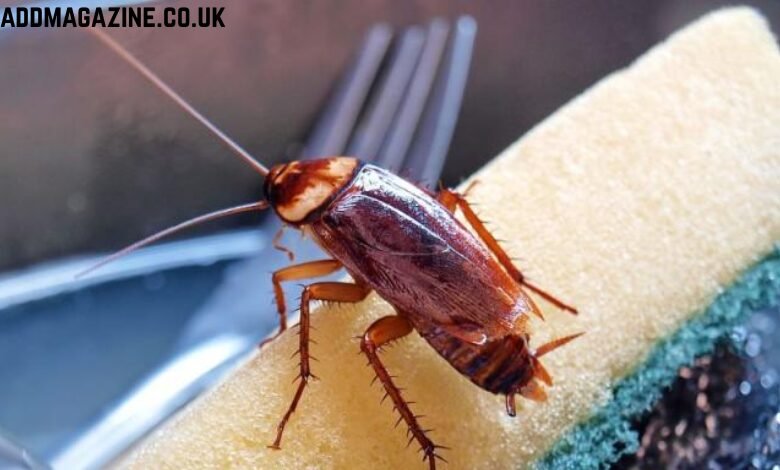
The cockroach is an undesirable guest even in the cleanest kitchen. You clean your marble counter once a day and wipe it off until it gleams, you take the bins to the garbage pile every day, and you keep the floors clean, but those pesky pests are still coming night after night or scurrying up and down counters. It is fishy and baffling and can make the homeowner wonder whether he or she is clean.
The reality is that cockroaches are attracted by non-visible attractants like dampness, crumbs left behind, and warm dark corners, and not the apparent mess.
Even the most recent kitchen designs with shiny cabinets and marble floors can be an ideal nesting place. The reason behind their occurrence is the main issue that needs to be understood in order to eradicate them successfully.
Moisture: The Primary Attraction for Cockroaches
While food is a minor attractant, cockroaches need water more than anything. Moisture-rich areas in kitchens make ideal hiding and breeding zones:
- Leaking sink pipes or under-cabinet plumbing.
- Condensation on cabinets in humid or poorly ventilated kitchens.
- Damp cupboards near dishwashers or washing areas.
- Dripping fridge trays or freezer condensation.
These wet areas are hard to spot but easy for cockroaches to exploit. This is where professional pest control is invaluable. Technicians know how to locate hidden moisture and treat these zones effectively, ensuring long-term relief.
Why Do Cockroaches Not Rely on Visible Mess?
Cockroaches are survivors. They do not require food that has been left on your counter to prosper. They can survive on:
- Small crumbs are embedded in floor lines or beneath appliances.
- Oil and grease behind ovens or cupboards.
- Water within pipes or cabinets causes condensation.
- Even with the daily running of water, organic matter in the drains.
- Food residues in cupboard hinges or small gaps that cannot be cleaned completely.
These hidden sources exist even in a spotless kitchen, hence the occurrence of cockroaches even after cleaning. Realising this places the emphasis on superficial cleansing to get at the roots.
Common Nesting Spots You Can’t Clean
Cockroaches prefer hidden spaces where they remain undisturbed. Typical kitchen nesting areas include:
- Under the fridge motor, where warmth attracts them.
- Inside the dishwasher insulation, a moist and warm spot.
- Behind microwave vents or small appliance openings.
- Inside cabinetry voids, especially hollow cabinet designs.
- Drains and wall cavities connect different parts of the home.
How a Professional Cockroach Exterminator Solves the Problem?
Cockroaches may also exist in nooks and crannies that the homeowner may not be able to access, even in the cleanest of kitchens. Spot-cleaning will not help much since these pests live in the recesses, behind the appliances, and in the cabinetry. This is the area that a specialist cockroach exterminator comes in.
Proper Checking of Concealed Places
Exterminators start by searching all possible hiding places, such as those found in the walls, drains, under sinks, and behind appliances. They locate the areas where cockroaches are active, paying attention to warmth, moisture, and darkness, the conditions that these pests like.
Treatment of Nests and Eggs
Professionals do not only eliminate the cockroaches that can be seen. They use gels, baits, and non-repellent liquids, which are transported to the colony by cockroaches. This method guarantees the treatment of eggs and the concealed nymphs, preventing the origin of the infestation.
Prevention and Entry Point Management
Crashes, gaps, and access holes are also filled with exterminators around marble benchtops, cabinets, and appliances. This, together with instructions on moisture control and follow-up treatments, will stop reinfestation and provide a long-term, cockroach-free kitchen.
What Role Can Modern Kitchen Design Play in Infestations?
Although the contemporary kitchen is designed to be both fashionable and functional, some design features may unintentionally form the best habitats for cockroaches. Pests cannot be stopped even by clean surfaces and marble tables when there are covert homes.
Hollow Cabinet and Benchtops
Benchtops that have a heavy weight, such as marble or granite, are usually placed on hollow cabinets. These are the dark holes giving warm places where the cockroaches can hide and breed, as well as enjoy themselves without any disturbance.
Combined Appliances and Heat Houses
Ovens, microwaves, and dishwashers are also built-in, which are prone to heat and moisture. Cockroaches are attracted to these warm places, resembling natural nesting conditions.
Painted Cabinetry and Crevices
Cabinets that have tight seals might be clean to the eye, but form areas of warmth and moisture inside. These are spaces that are inaccessible and ideal for nesting and laying eggs.
Small Opening and Splashback Gaps
Cockroaches can use even minute crevices between splashbacks, tiles, or countertops as entry and transit points. They take advantage of these minute entries to go at will without being noticed.
Steps to Take for Effective Cockroach Control
The solution to a chronic cockroach issue is a combination of prevention and professional intervention:
- Fix Leaks and Seal Cracks: Repair plumbing problems and sealings under marble benchtops, cabinets, and around appliances before they can be penetrated.
- Preserve Preventive Treatments: Professional treatments every 6-12 months decrease the chances of reinfestation and provide further protection.
Homeowners can now have a cockroach-free kitchen without losing any of the aesthetic value or cleanliness.
The Risks of Ignoring Nighttime Sightings
Cockroach sightings may seem minor, but ignoring them can have serious consequences:
- Health risks like allergies and asthma are triggered by cockroach allergens.
- Contamination of plates, utensils, and food surfaces.
- Spread of nesting into cupboards, pantry, and appliances.
- Eggs hatch inside hidden spaces, expanding the infestation.
- Infestation escalation, making it harder and costlier to eliminate later.
Timely professional intervention is critical to prevent these outcomes.
Final Thoughts
Cockroaches are extremely adaptive and live on minute food particles and capitalise on concealed water and structural crevices. They can be given perfect environments even in the most well-kept kitchens, which have marble benchtops and new cabinets. They help by having clean surfaces, but not completely.
Infestation is best removed through professional pest control and strategic intervention by a cockroach exterminator. Homeowners can have a kitchen free of cockroaches without losing design or style by managing hidden nests, sealing access points, and controlling moisture levels.