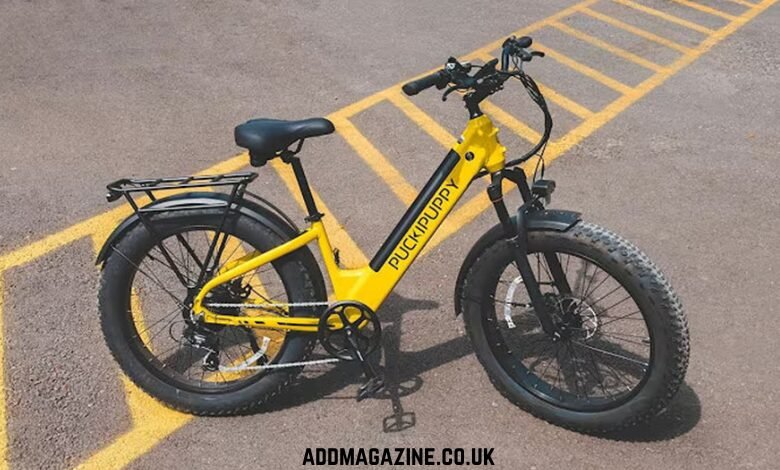
Electric bikes are often associated with city commuting and urban mobility, but their usefulness extends far beyond city streets. In rural areas, where distances can be longer and road conditions more unpredictable, fat tire e-bikes offer a practical and adaptable transportation option. Their design allows them to handle varied terrain, making them particularly well suited for environments where traditional bikes or even cars may face limitations.
From gravel roads and farm paths to mixed terrain and remote routes, fat tire e-bikes provide riders in rural regions with a reliable and flexible way to travel.
Handling Rough and Unpaved Roads
One of the biggest advantages of fat tire e-bikes in rural areas is their ability to handle unpredictable road surfaces.
Many rural roads are not fully paved. Riders may encounter gravel, dirt tracks, uneven surfaces, or loose stones. Narrow bicycle tires often struggle to maintain traction on these types of terrain, making riding uncomfortable or even unsafe.
Fat tires, which are typically around four inches wide or more, create a larger contact patch with the ground. This increased surface area improves traction and stability, allowing riders to travel across rough surfaces more confidently.
Because of this design, fat tire e-bikes are well suited for the kinds of roads commonly found outside urban areas.
Better Stability on Mixed Terrain
Rural environments often involve changing terrain within a single ride. A rider might start on a paved road, transition onto a gravel path, and later travel across dirt trails or uneven farmland tracks.
Fat tire e-bikes handle these transitions smoothly. The wide tires help maintain stability when moving between different surfaces, reducing the risk of slipping on loose gravel or uneven ground.
This stability is particularly useful for riders who rely on their bikes for practical travel, such as reaching nearby towns, visiting neighbors, or exploring local trails.
Comfort Over Long Rural Distances
Rural rides can sometimes involve longer distances than typical city commutes. Traveling several miles between homes, farms, or local stores is common in many rural communities.
Fat tires contribute to a more comfortable riding experience over these longer distances, especially on rough or poorly maintained roads.
Because the tires contain a large volume of air, they can operate at lower pressure. This allows them to absorb bumps and vibrations more effectively than narrow tires.
Instead of transmitting every bump directly through the frame, the tires compress slightly when encountering uneven surfaces, helping reduce fatigue for the rider.
Electric Assistance Helps With Distance and Terrain
In rural areas, distances between destinations can be greater than in cities. This is where the electric motor of an e-bike becomes particularly valuable.
Electric assistance helps riders maintain steady speeds even over longer routes. It also makes climbing hills easier, which is useful in regions with rolling landscapes or uneven terrain.
For riders who may not want the physical strain of long traditional bike rides, the motor assistance allows them to travel comfortably while still enjoying the benefits of cycling.
This combination of fat tires and electric support makes rural travel more practical for a wider range of riders.
A Practical Option Where Public Transit Is Limited
Many rural communities have limited public transportation options. Residents often rely on personal vehicles for most daily travel.
While cars remain essential for many trips, fat tire e-bikes can provide a useful alternative for short and medium-distance journeys.
Visiting nearby locations, traveling to local shops, or exploring surrounding countryside routes can often be done efficiently on an e-bike.
Because e-bikes require less infrastructure than cars and have minimal operating costs, they can serve as a convenient transportation option for certain types of rural travel.
Useful for Outdoor Recreation and Exploration
Rural areas often offer access to natural landscapes, forests, farmland paths, and scenic trails. Fat tire e-bikes are well suited for exploring these environments.
The wide tires provide strong traction on loose surfaces, while the electric motor helps riders travel longer distances without excessive fatigue.
This makes fat tire e-bikes particularly appealing for riders who enjoy outdoor exploration, wildlife observation, or recreational rides through rural scenery.
In many cases, the bike becomes not only a transportation tool but also a way to experience the surrounding environment more closely.
Confidence on Unpredictable Surfaces
Rural roads can change significantly depending on weather conditions. Rain can create muddy paths, while dry conditions may produce loose gravel or dust.
Fat tires provide additional confidence when riding on these unpredictable surfaces. The wide footprint helps the bike remain stable even when conditions are less than ideal.
This stability can be especially valuable for riders who travel frequently across dirt roads, farm tracks, or lightly maintained rural routes.
Adaptable to Different Riding Needs
Another advantage of fat tire e-bikes in rural environments is their versatility. The same bike can be used for different purposes throughout the week.
A rider might use the bike for a trip to a nearby store one day, explore gravel roads on the weekend, and ride along farm paths or nature trails at other times.
Some manufacturers design fat tire e-bikes with this type of versatility in mind. Brands such as Puckipuppy, for example, offer fat tire models intended to handle a variety of surfaces while maintaining stability and comfort.
This flexibility makes fat tire e-bikes well suited to the varied travel patterns often found in rural areas.
Supporting Sustainable Rural Mobility
While rural areas typically rely heavily on cars, there is growing interest in transportation options that are more sustainable and flexible.
Fat tire e-bikes can play a small but meaningful role in this shift. For certain trips—especially shorter journeys—they provide a low-energy alternative that still offers independence and mobility.
As e-bike technology continues to improve, their usefulness in rural communities may expand further.
Conclusion
Fat tire e-bikes offer several advantages that make them particularly useful in rural areas. Their wide tires provide traction and stability on gravel roads, dirt paths, and mixed terrain, while electric assistance helps riders travel longer distances with less effort.
In regions where road conditions vary and destinations may be spread out, these bikes provide a flexible and reliable way to move through the landscape.
Whether used for everyday travel, outdoor exploration, or short local trips, fat tire e-bikes demonstrate how thoughtful design can adapt to the unique challenges of rural riding environments.