
Your gums do quiet work. They hold your teeth, protect your bone, and support every part of your mouth. When gums suffer, your whole body feels the strain. Bleeding, swelling, or recession are early warning signs. Infection spreads. Teeth loosen. Implants fail. You may feel shame or fear. You may even avoid smiling or eating in public. A dentist in Sequim, WA understands this hidden weight and treats it with respect. Strong gums give you a steady base for both natural teeth and implants. They also lower your risk for heart disease, diabetes problems, and chronic pain. This blog explains how healthy gums support daily comfort, stable implants, and long term strength. You will see clear steps you can take at home. You will also learn what to expect during care in the chair, so you feel prepared, informed, and in control.
What Healthy Gums Look And Feel Like
Healthy gums feel firm. They fit like a collar around each tooth. You can eat, speak, and smile without pain.
Unhealthy gums often show three clear signs. They bleed. They look puffy. They feel sore or tender. Sometimes they pull away from the teeth. That pull creates pockets where germs collect.
You might notice bad breath that does not go away. You might see spaces forming between teeth. These signs mean you need care right away.
How Gum Disease Starts And Spreads
Gum disease starts with plaque. That is a sticky film of germs on your teeth. When you do not clean it off, it hardens into tartar. You cannot brush tartar away. It needs removal in a dental office.
First, gums react with redness and bleeding. This early stage is gingivitis. At this point you can reverse the damage with better care at home and a cleaning visit.
Next, untreated germs move deeper. They attack the bone that holds your teeth. This stage is periodontitis. It can cause tooth loss. It can also lead to pain around implants.
Why Gum Health Matters For Your Whole Body
Your mouth links to the rest of your body. When germs enter your blood through sore gums, they can stress your heart and other organs.
The Centers for Disease Control and Prevention explains that gum disease connects with heart disease, stroke, and poor blood sugar control in diabetes. You can read more in this CDC summary: Periodontal Disease.
Three key risks stand out. First, long term inflammation raises heart strain. Second, pain and loose teeth make healthy eating harder. Third, infection flares can weaken your immune system.
Gums And Dental Implants
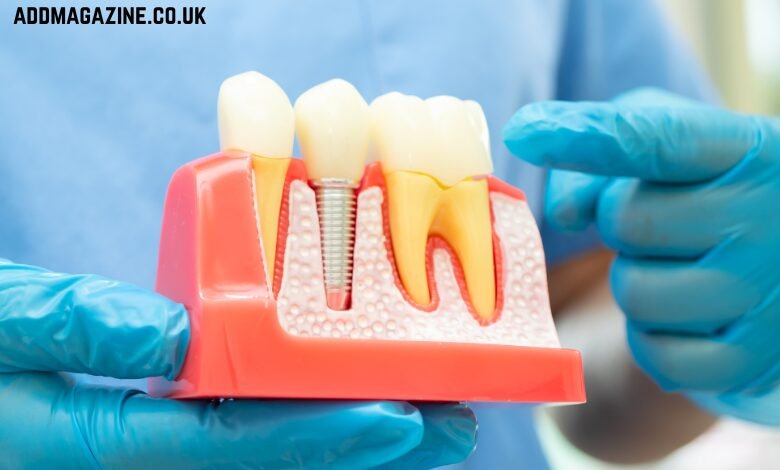
Dental implants can replace missing teeth. They need strong bone and strong gums to work well. Your gums seal the bone and the implant from germs. That seal protects the metal post and supports the crown on top.
When gums around an implant get inflamed, the problem is called peri-implant mucositis. If the bone starts to break down, it becomes peri-implantitis. Both problems can lead to implant loss if you ignore them.
The American Academy of Periodontology explains that implants need the same daily care as natural teeth plus regular checks.
Comparing Natural Teeth And Implants For Gum Care
| Feature | Natural Teeth | Dental Implants |
|---|---|---|
| What holds it in place | Root, ligament, and bone | Metal post fused to bone |
| Gum attachment | Natural fibers attach to root | Softer seal around post |
| Main gum risk | Gingivitis and periodontitis | Peri implant mucositis and peri implantitis |
| Early warning signs | Bleeding, redness, bad breath | Bleeding, swelling near implant, bad taste |
| Outcome if untreated | Loose teeth, tooth loss | Bone loss, implant failure |
| Daily home care | Brush, floss, clean tongue | Brush, floss or special thread, clean around posts |
Daily Habits That Protect Your Gums
You protect your gums with three steady habits.
- Limit sugary drinks and snacks
Next, drink water often. It washes away food and supports saliva. Saliva helps fight germs. Also, avoid tobacco in all forms. Tobacco use makes gum disease more likely and slows healing.
You should plan a routine checkup and cleaning every six months, or more often if your dentist suggests it.
Special Care Tips For Implants
If you have implants, you need a few extra steps. Use floss designed for implants or a soft thread to clean under the crown. Move it gently around the post. You may also use small brushes that fit between the implant and nearby teeth.
Further, ask your dentist to show you how to angle the brush so you reach the gum line. You might benefit from an electric brush, which helps remove more plaque in less time.
Regular implant checks with X-rays help catch bone loss early. Quick action saves many implants.
When To Call For Help
Call for care if you notice any of these signs around teeth or implants.
- Bleeding when you brush, floss, or eat
- Swelling or color change in the gums
- New spaces or a change in how your teeth fit together
- Pain when chewing or touching the gums
- Implant that feels loose or “different”
Prompt treatment often means a simple cleaning and home care changes. Waiting can mean deeper cleanings, surgery, or loss of a tooth or implant.
Taking Back Control Of Your Oral Health
Gum disease can feel scary. It can stir shame. You still have choices. You can start with one clear step today.
First, set a dental visit for a full gum check. Second, reset your daily brushing and flossing routine. Third, ask for a written plan that matches your health, your budget, and your goals.
Healthy gums support your teeth, your implants, and your body. With steady care and early treatment, you protect your smile, your comfort, and your strength for years to come.