Time-Consuming Data Entry and Tracking
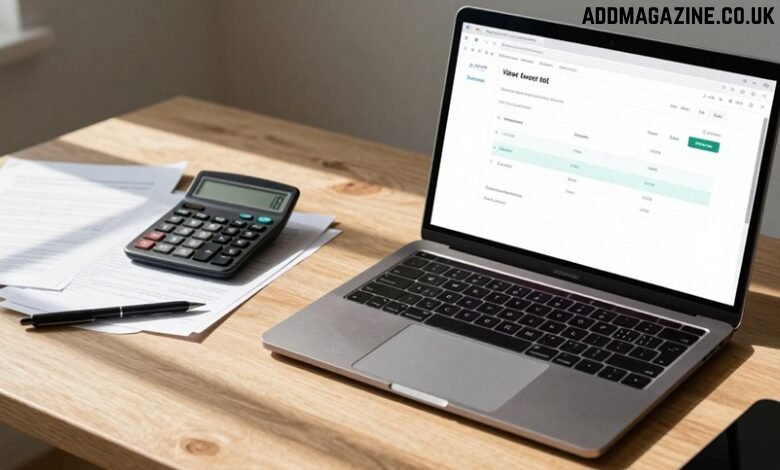
Manual billing feels like a relic from another era, doesn’t it? Think about it: every invoice means someone has to type in customer details, item descriptions, quantities, and prices. Then, that same information needs to be tracked somewhere, usually a spreadsheet or a physical ledger. This isn’t just a one-time task; it’s a repetitive cycle that eats up valuable hours. This constant data entry and tracking is a major drain on resources. It takes a lot of time away from other important business activities.
This process is slow. For a business sending out many invoices, this can add up to days of work each month. It’s not just about typing; it’s about finding the right information, double-checking it, and then filing it away. The manual approach to billing requires a significant time investment that could be better spent elsewhere. It’s a bottleneck that slows down the entire financial operation.
Prone to Costly Human Errors
Let’s be honest, humans make mistakes. When you’re typing numbers, names, and figures repeatedly, typos happen. A misplaced decimal point, a wrong quantity, or an incorrect customer address can lead to serious problems. These errors aren’t just minor annoyances; they can result in incorrect billing, delayed payments, and unhappy customers. Fixing these mistakes often takes even more time and effort than the original billing process.
Incorrect invoices mean you might not get paid the full amount, or you might overcharge a customer, leading to disputes. The cost of correcting these errors, whether it’s reissuing invoices, dealing with customer complaints, or writing off bad debt, can add up quickly. The risk of human error is a significant downside to manual billing.
Limited Visibility into Financial Status
With manual billing, getting a clear picture of your company’s financial health can be a real challenge. You might have stacks of paper invoices or a complex spreadsheet, but it’s hard to get an instant overview. Knowing exactly who owes you money, how much is overdue, and what your overall cash flow looks like requires a lot of digging. This lack of real-time insight makes it difficult to make informed financial decisions.
Trying to generate reports or understand your financial standing often involves manually compiling data from various sources. This is not only time-consuming but also increases the chance of errors in the final report. This can lead to unexpected shortfalls or missed opportunities for growth.
The traditional method of manual billing, while familiar, presents significant hurdles in accuracy, speed, and financial clarity. These inefficiencies can hinder a business’s ability to operate smoothly and grow effectively.
Streamlining Operations with an Invoice App
Manual billing is a real drag. It totally changes how businesses handle their money stuff.
Automating Invoice Creation and Sending
Forget typing out every single invoice by hand. An invoice app lets you create invoices in a snap. You can set up templates, add your company logo, and fill in the details quickly. Once it’s ready, you can send it off to your clients with just a few clicks. This saves a ton of time and makes sure everything looks professional. This automation is a game-changer for getting paid faster.
Real-Time Payment Tracking and Reminders
Keeping tabs on who’s paid and who hasn’t can be a headache. With an invoice app, you can see the status of every invoice right away. It tells you if it’s sent, viewed, or paid. If a payment is late, the app can automatically send out reminders. This helps you get paid on time without you having to chase people down. It’s a big help for keeping your cash flow healthy.
Seamless Integration with Business Systems
An invoice app doesn’t just work on its own. It can connect with other software you use, like your accounting system or CRM. No more double-entry or trying to match up data from different places. This integration makes your whole operation run much more smoothly and accurately. It’s all about making the invoice process work better with everything else.
Enhancing Accuracy and Efficiency
Reducing Errors with Automated Calculations
Think about it: typing in numbers, dates, and item descriptions over and over. It’s easy to hit the wrong key or misread a figure. This leads to errors that can cost a business real money, whether it’s overcharging a client or undercharging and losing out on revenue. Automated invoice software takes this burden away. It uses built-in calculators that are always correct. This means every calculation, from line item totals to sales tax, is done precisely.
Accelerating Invoice Processing Cycles
When you’re doing things by hand, sending out invoices can take a while. You have to create the document, check it, print it (or attach it to an email), and then track if it’s been received and paid. This whole process can drag on, delaying payments. Invoice software speeds this up a lot. It can generate and send invoices in minutes, not hours or days. This quick turnaround means clients get their bills faster, and you get paid sooner. It’s all about making the money come in quicker.
Improving Data Integrity
Keeping track of all your invoices and customer information manually is tough. Spreadsheets can get messy, and paper files can get lost. This makes it hard to get a clear picture of your financial situation. Invoice software keeps all your data in one organized place. Every invoice, payment, and customer detail is stored securely and is easy to find. This data integrity means you always have accurate information at your fingertips. You can trust the numbers you see, which is a big deal for making smart business decisions.
Boosting Cash Flow Management
Proactive Overdue Payment Identification
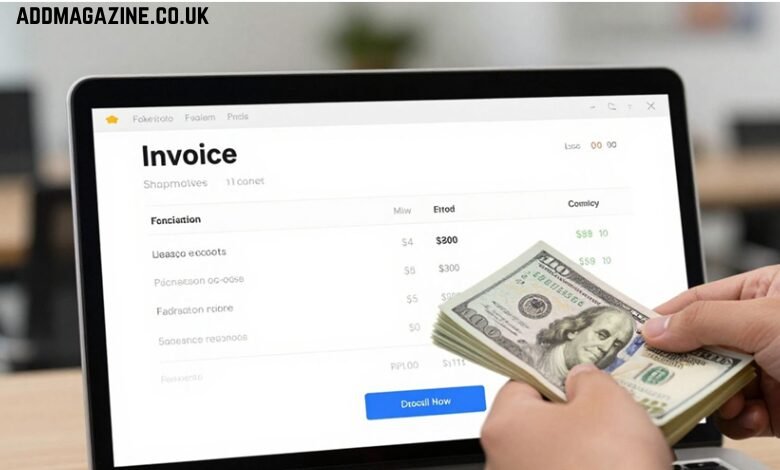
Manual billing often means chasing down late payments after the fact. This reactive approach can strain relationships and delay incoming funds. Modern invoice software changes the game by flagging overdue invoices automatically. This means businesses can see exactly which payments are late the moment they are due. This proactive stance helps maintain a healthier cash flow. It’s about getting paid faster and keeping the business running smoothly.
Gaining Financial Insights Through Reporting
Understanding where the money is and where it’s going is key. Manual systems make this tough, often requiring hours of data compilation. Invoice software provides real-time reports. These reports show outstanding balances, payment trends, and customer payment histories. This visibility allows for better financial planning and quicker identification of potential cash flow issues. It turns raw data into actionable information for smart business decisions.
Optimizing Payment Terms
With manual billing, it’s hard to track which terms are working best. Invoice software can help analyze payment patterns based on different terms offered. This data helps businesses refine their payment policies. They can offer terms that encourage faster payments without alienating customers. This optimization directly impacts the speed at which cash enters the business, improving overall financial health. It’s a smart way to manage money coming in.
Scalability for Business Growth
Handling Increased Invoice Volumes Effortlessly
As a business grows, the number of invoices it sends and receives naturally goes up. Trying to manage this increase with manual methods quickly becomes a bottleneck. Think about it: more invoices mean more data entry, more filing, and more chances for things to get lost. Modern invoice software, however, is built to handle this. It can process a much larger volume of invoices without needing a proportional increase in staff. This means your operations don’t grind to a halt just because you’re getting more business. The system just keeps going, handling the increased invoice volume smoothly.
Adapting to Evolving Business Needs
Businesses aren’t static; they change. New services are added, new markets are explored, and business processes get updated. Manual billing systems are rigid. Adapting them to new requirements can be a real headache, often involving retraining staff or redesigning forms. Invoice software, on the other hand, is much more flexible. It can be configured to accommodate new pricing structures, different tax rules, or even new types of services you might offer. This adaptability is key for any business that plans to evolve and stay competitive. It allows the business to pivot without its billing system holding it back.
Maintaining Efficiency as Operations Expand
Expanding operations should be exciting, not terrifying for your finance department. With manual billing, growth often means hiring more people just to handle the paperwork. This adds significant overhead and can eat into profits. Invoice software offers a way to scale operations without a linear increase in costs. The software itself can handle more work, and any additional setup is usually a one-time configuration rather than ongoing salary expenses. This scalability ensures that as your business gets bigger, your core financial processes remain efficient and cost-effective. It’s about growing smart, not just growing bigger.
Securing Financial Data
Protecting Sensitive Information with Encryption
Modern invoice software takes data protection seriously. Sensitive financial details are shielded using strong encryption methods. It’s like putting your most important documents in a locked safe that only authorized personnel have the key to. This level of security is a big step up from a filing cabinet in an unlocked office.
Reducing Risk of Data Loss and Theft
Manual billing methods, often relying on paper or simple digital files, are highly vulnerable. A misplaced invoice, a hard drive crash, or a physical theft can mean losing critical financial records forever. Invoice software, however, typically stores data in secure, backed-up cloud environments. This drastically cuts down the risk of losing vital information and protects against data theft. The security protocols in place are designed to keep your financial data safe from various threats.
Ensuring Compliance and Audit Readiness
Keeping financial records organized and accessible is key for compliance and audits. Invoice software provides a clear, digital trail of all transactions. This makes it much easier to pull up the exact documents needed for an audit, proving that your business operates with integrity. It helps businesses meet regulatory requirements and simplifies the audit process, reducing stress and potential penalties. Having this organized data readily available is a major benefit for any business facing scrutiny.
Moving Forward with Modern Invoicing
When you look at it all, the choice between old-school manual billing and today’s invoice software seems pretty clear. Manual methods, while familiar, just can’t keep up. They take up too much time, invite mistakes, and make it hard to see where your money is going. Invoice software, on the other hand, handles the heavy lifting. It speeds things up, cuts down on errors, and gives you a much better handle on your finances. For any business that wants to grow without getting bogged down by paperwork, making the switch to modern invoicing software isn’t just a good idea, it’s pretty much a necessity.