
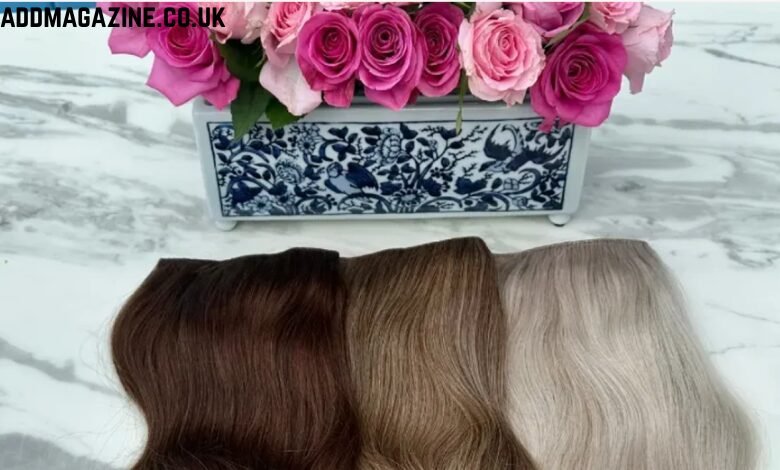
Regret around hair extensions rarely comes from impulse alone. Most first-time clients make their decision carefully, often after weeks of thought. Yet disappointment still happens, especially with clip-in hair extensions. The issue is not that clip-ins are a poor choice. It is that expectations, preparation, and reality often fail to meet in the middle.
Understanding where things go wrong helps explain why regret is common, and how it can be prevented with better guidance and clearer conversations.
When the Consultation Misses the Mark
Many regrets begin before the hair is even opened. First-time clients often attend consultations with images rather than information. They show photos of length and volume but may not understand what those look like.
With clip-in hair extensions, the consultation should focus on daily habits, styling confidence, and comfort levels. Without this, clients may leave with hair that looks appealing in theory but feels awkward at home. A rushed or vague consultation leaves too much room for misunderstanding.
The Problem With Promised Length
Length sells easily. Long hair photographs well and carries a strong appeal. Yet overpromising length is one of the most common sources of regret.
Clip-in hair extensions rely on the wearer’s natural hair to support and disguise them. When extensions are far longer than the client’s own hair, blending becomes difficult. The clips may feel heavy, and the difference between natural hair and extension length can look obvious when the hair moves.
A more measured approach, adding length gradually, often leads to better comfort and a more believable result.
Texture Mismatch Is Easy to Overlook
Texture matters as much as colour. Fine hair behaves very differently from coarse or dense hair. When texture is ignored, extensions can sit awkwardly, separate from the natural hair, or require constant styling to look even.
With clip-in hair extensions, texture mismatch often shows at the ends. Straight extensions paired with naturally wavy hair can look stiff unless styled every time. For first-time users, this styling demand can feel frustrating and unrealistic.
Matching texture helps extensions settle naturally and reduces daily effort.
Maintenance Reality Versus Salon Fantasy
Salon results are often styled carefully, sometimes with heat and finishing products. At home, conditions are different. Many first-time clients are unprepared for the level of care required.
Clip-in hair extensions need brushing, storage, and occasional washing. They should be clipped in with care to avoid discomfort or damage to natural hair. When clients expect a ready-to-wear solution and instead find a routine, regret can follow.
A clear discussion about maintenance helps clients decide whether clip-ins suit their lifestyle.
Comfort Is Not Always Discussed Enough
Comfort is personal. Some people are unbothered by clips, while others feel them immediately. First-time clients may not realise this until they wear extensions for a full day.
If clip-in hair extensions are too heavy or clipped too tightly, they can cause tension or headaches. Without guidance on placement and breaks, clients may associate discomfort with failure, rather than technique.
Comfort checks and realistic wear advice can reduce this risk.
Why Screening Matters More Than Selling
Not every client is suited to clip-ins. Professionals play an important role in screening, not persuading. Asking simple questions about daily routines, patience with styling, and sensitivity can prevent regret later.
For some, a lighter option or shorter length may suit better. For others, an occasional wear plan rather than daily use may make sense. Clip-in hair extensions work well when chosen thoughtfully, not automatically.
This approach protects the client and builds long-term trust in hair services overall.
Education Builds Confidence
Regret often stems from feeling unprepared. When clients understand how to use and care for their extensions, they feel more in control. Education does not need to be complex. Clear instructions, honest guidance, and realistic outcomes are enough.
Professionals who take time to explain limitations as well as benefits tend to see fewer unhappy first-time clients. A London studio shaped by the understated, client-first approach linked with Tatiana Karelina reflects this mindset, placing understanding ahead of outcome.
What Clients Can Do Before Choosing
Clients can reduce regret by asking the right questions. How long will daily styling take? How should the hair be stored? What does it feel like after several hours? These questions help bridge the gap between expectation and experience.
Trying clip-in hair extensions at home before a major event can also reveal whether they suit personal comfort and routine.
Final Thoughts
Regret with hair extensions is rarely about failure. It is about a mismatch. Clip-in hair extensions can be a flexible and supportive option when chosen with care. Honest consultations, realistic length choices, texture awareness, and clear maintenance advice all play a part. When expectations align with reality, first-time clients are far more likely to feel confident rather than disappointed.