
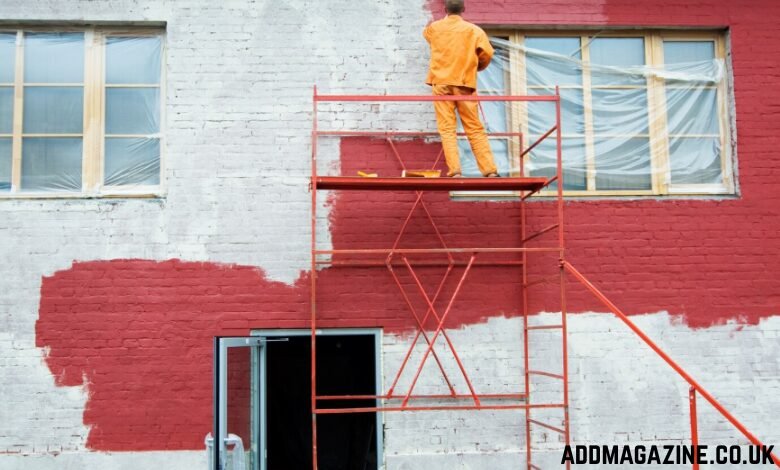
When you look at your home, the paint is the first thing you notice. But for a professional painter, the colour is actually the last thing on their mind. To a pro, a fresh coat of paint is a protective shield. Your home is constantly under attack from the elements, be it the blistering sun, heavy rain, or shifting humidity.
Many homeowners consider the DIY route to save a bit of money, but outside painting is one of those tasks where “doing it yourself” often ends up costing double in the long run. Professional exterior painters don’t just show up with a ladder and a brush; they bring a systematic approach that ensures the result lasts a decade rather than a couple of seasons.
1. The Foundation: Why Preparation is 70% of the Job
If you ask any expert painter what the most important part of the job is, they won’t say “the painting.” They will say “the prep.”
When you paint a wall inside your house, the conditions are controlled. Outside, it’s a different story. The surfaces are covered in dust, bird droppings, oxidised paint chalk, and microscopic mould spores. If you paint over that grime, the new layer of paint is essentially sticking to dirt, not the house. Within months, it will start to bubble and flake off.
The Professional Prep Process:
- Power Washing: Professionals use specific pressure settings to clean the house without injecting water into the wood or masonry.
- Scraping and Sanding: Any old paint that is losing its grip has to go. Pros spend hours, sometimes days, scraping back old layers to ensure the new paint has a solid surface to bond to.
- Priming Bare Spots: You can’t just put topcoat paint on raw wood or repaired patches. Professionals use high-adhesion primers that act like glue, bridging the gap between the house material and the finish paint.
- Caulking and Sealing: This is a crucial step for home maintenance. Painters look for gaps around windows, doors, and trim. By sealing these with high-quality caulk, they aren’t just making the house look better; they are preventing water from getting behind the boards and causing rot.
2. Materials: The Difference Between “Cheap” and “Quality”
It is tempting to grab the mid-tier paint at a big-box hardware store. However, professional painters usually have access to commercial-grade lines that aren’t always sitting on the retail shelves.
Exterior paint has a tough job. It needs to be flexible enough to expand and contract as the temperature changes. If the paint is too rigid, it cracks. If it’s too soft, it traps dirt. High-quality acrylic latex paints used by pros contain better resins and pigments. This means:
- UV Resistance: The colour stays vibrant for years instead of fading into a duller version of itself after one summer.
- Mildewcides: Higher-end paints often have additives that discourage mould and algae growth, which is vital if your home has shaded areas.
- One-Coat Coverage (Usually): While pros often do two coats for durability, the quality of the paint means you get a richer, more even look without the “streaky” appearance of cheaper brands.
3. Technical Skill and Equipment
There is a learning curve to using professional painting tools. For example, many pros use airless sprayers. These machines allow for a thick, perfectly even application that a brush simply can’t match on large surfaces. However, if an amateur uses a sprayer, they often end up with “runs” (drips) or overspray on the windows and bushes.
Beyond tools, there is the “edge work.” Painting the trim, the eaves, and the fascia requires a steady hand and a lack of fear when it comes to heights. Professionals know how to set up scaffolding and ladders safely, ensuring they can reach every nook and cranny.
4. Navigating the Climate
The weather is the biggest enemy of a good paint job. You cannot paint when it’s too windy (dust will blow into the wet paint), too hot (the paint dries too fast and won’t level out), or too humid (the paint won’t cure).
Professional painters are amateur meteorologists. They track the “dew point” and understand how the sun hits different sides of the house throughout the day. They might start on the west side in the morning and move to the east in the afternoon to stay in the shade.
5. Long-Term Financial Benefits
Let’s talk about the money. A professional exterior paint job is an investment, but it pays off in three main ways:
- Maintenance Savings: By sealing the exterior properly, you prevent wood rot and masonry damage. Replacing a few rotted window sills can cost more than the entire paint job itself.
- Home Value: If you are looking to sell, “curb appeal” is everything. A professional finish can add thousands to the perceived value of a home. It tells buyers the house has been well-maintained.
- Longevity: A DIY job might look “okay” for 3 years. A pro job looks great for 10. When you break down the cost per year, the professional service is almost always the cheaper option.
6. Safety and Peace of Mind
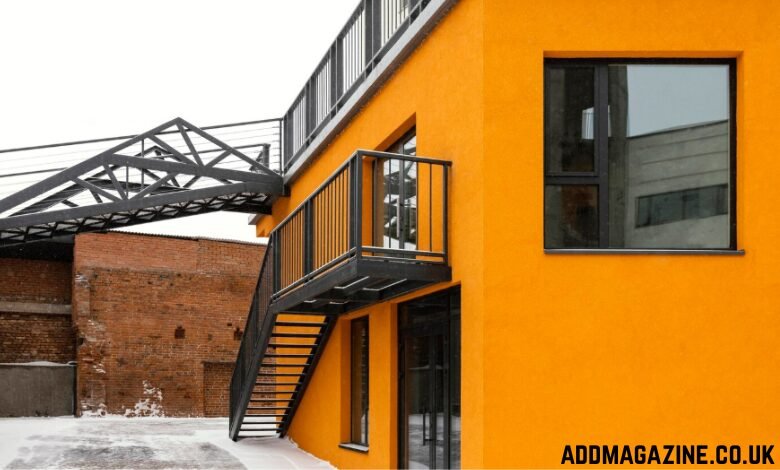
Painting a two-story home involves significant risk. Climbing ladders while carrying heavy buckets of paint is a recipe for accidents for those who aren’t trained. Professional crews are insured and experienced in high-altitude work.
Conclusion
At the end of the day, professional exterior house painting is about more than aesthetics. It’s about technical precision, high-end chemistry, and a lot of manual labour that most people simply don’t have the time or equipment to do correctly. By hiring a professional, you are buying a decade of protection and a home that looks like the best version of itself.
FAQs
Why does my paint always peel on the sunny side of the house?
This is usually due to “thermal shock.” The sun heats the wood, causing it to expand and push moisture out. If the paint isn’t high-quality or wasn’t applied to a clean surface, it loses its grip. Pros use UV-resistant paints to prevent this.
Is one coat enough if I’m not changing the colour?
Usually, no. Even if the colour matches, the second coat is what provides the necessary thickness (mils) to protect the house from the weather.
How do I know if my house needs a pro-repaint?
Check your “high-moisture” areas first, like near the ground or around gutters. If you see “alligatoring” (cracks that look like scales) or chalky residue when you run your hand over the paint, the protective seal is gone.